
Ever walked into an office and immediately felt lost, confused, or unsure where to go? Or perhaps you’ve entered a workspace that instantly impressed you with its sleek, professional vibe? Chances are, office signage played a bigger role in shaping those experiences than you might realise. But here’s the question: how do you create signs that truly make an impact?
Office signage isn’t just about slapping your logo on a wall or pointing people towards the toilets. When done right, it communicates your brand values, guides visitors effortlessly through your space, and even boosts employee morale. It’s a silent ambassador for your business, working around the clock to create positive impressions.
In this guide, we’ll explore everything you need to know about designing innovative office signage that actually works. From understanding the psychology behind effective signs to choosing the right materials and placement strategies, you’ll walk away with practical insights you can apply straightaway. Whether you’re setting up a new office in Sydney or refreshing your Melbourne headquarters, this article has got you covered.
What Makes Office Signage Effective?
The Psychology Behind Impactful Signage
Have you ever wondered why certain signs grab your attention while others fade into the background? It all comes down to psychology. Our brains process visual information incredibly quickly—much faster than text alone. Effective signage taps into this by using colour, shape, and contrast strategically.
Colours evoke specific emotions. Blue conveys trust and professionalism, while yellow creates energy and optimism. Understanding these associations helps you choose palettes that align with your brand personality. Plus, high contrast between text and background improves readability, making your message stick.
Key Elements of Successful Office Signs
Several factors separate mediocre signs from memorable ones. First, clarity is non-negotiable. Your message should be understood within seconds. Keep text concise and fonts legible from a reasonable distance.
Next, consider visual hierarchy. The most important information should stand out immediately. Use size, weight, and positioning to guide the viewer’s eye naturally. Finally, consistency across all signage reinforces brand recognition and creates a cohesive experience throughout your workspace.
Types of Office Signage You Should Consider
Wayfinding and Directional Signs
Nobody enjoys feeling lost in an unfamiliar building. Wayfinding signage solves this problem by guiding visitors from entrance to destination smoothly. Think floor directories, room identifiers, and directional arrows placed at key decision points.
Effective wayfinding reduces frustration and creates positive first impressions. In larger Australian office complexes, this becomes especially important. Clear, intuitive navigation shows visitors you value their time and comfort.
Branding and Reception Signage
Your reception area sets the tone for every interaction. Bold branding signage here makes an immediate statement about who you are. This might include illuminated logos, mission statements, or feature walls showcasing your company values.
These signs aren’t just decorative—they’re strategic. They communicate professionalism before a single word is spoken. Invest in quality materials here; it’s often your first chance to impress clients and potential employees.
Safety and Compliance Signs
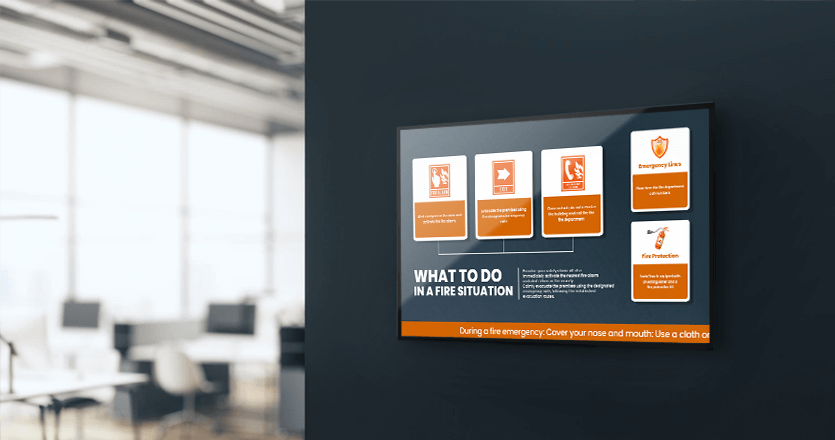
While perhaps less glamorous, safety signage is absolutely essential. Australian workplaces must comply with specific regulations regarding emergency exits, fire equipment, and hazard warnings. These signs protect your team and demonstrate regulatory compliance.
However, compliance doesn’t mean boring. Many businesses integrate safety signage into their overall design scheme, using brand colours where appropriate while maintaining required standards.
Motivational and Cultural Displays
Want to boost team spirit? Motivational signage and cultural displays can transform workplace atmosphere. Inspirational quotes, company values, and recognition boards remind employees why their work matters.
These elements particularly shine in common areas like kitchens, breakout spaces, and corridors. They reinforce company culture daily without requiring constant verbal reminders. Just keep them authentic—generic motivational posters often feel hollow.
Digital and Interactive Signage Solutions
Technology opens exciting possibilities for modern office signage. Digital displays offer flexibility traditional signs can’t match. Update content instantly, display real-time information, or create interactive wayfinding experiences.
Interactive kiosks work brilliantly in visitor-heavy environments. Guests can find meeting rooms, check in for appointments, or browse company information independently. This technology continues evolving rapidly, offering fresh opportunities for innovative workplaces.
How Do I Create Impactful Signage for My Business?
Defining Your Objectives and Audience
Before designing anything, clarify what you’re trying to achieve. Are you primarily focused on wayfinding? Brand reinforcement? Compliance? Different objectives require different approaches.
Equally important: who will see these signs? Consider visitors, employees, delivery personnel, and anyone else entering your space. A tech startup might embrace playful, modern designs, while a law firm typically requires more traditional elegance.
Choosing the Right Materials and Finishes
Materials dramatically influence how signage looks, feels, and lasts. Acrylic offers sleek, contemporary appeal. Brushed aluminium conveys industrial sophistication. Timber brings warmth and natural character.
Think about durability requirements too. High-traffic areas need hardwearing materials that resist wear and tear. Reception features might prioritise aesthetics over practicality. Australian conditions—including intense sunlight and humidity in some regions—also affect material choices.
Selecting Colours, Fonts, and Visual Hierarchy
Your colour palette should align with existing branding while ensuring excellent readability. Avoid overly complex combinations; simplicity usually wins. Two or three colours typically work best.
Font selection matters equally. Sans-serif fonts generally read more easily from distance, making them popular for wayfinding. More decorative fonts might suit branding features viewed up close. Whatever you choose, maintain consistency throughout your signage programme.
Best Practices for Office Signage Design
Balancing Creativity with Functionality
It’s tempting to prioritise aesthetics, but beautiful signs that don’t communicate clearly fail their primary purpose. The best designs achieve both—they’re visually striking AND immediately understandable.
Test your concepts with fresh eyes. Can someone unfamiliar with your office navigate using the proposed signage? If not, functionality needs more attention. Creative flourishes should enhance, not obscure, your core message.
Ensuring Accessibility and Inclusivity
Inclusive design isn’t optional—it’s essential. Consider people with visual impairments, colour blindness, or mobility limitations. Braille elements, tactile features, and appropriate mounting heights accommodate diverse needs.
Australian accessibility guidelines provide helpful frameworks. Beyond compliance, inclusive signage simply makes good business sense. You want everyone visiting your space to feel welcomed and supported.
Maintaining Brand Consistency Across All Signs
Scattered, inconsistent signage creates confusion and undermines professionalism. Develop clear brand guidelines covering colours, fonts, materials, and mounting methods. Apply these consistently everywhere.
This doesn’t mean every sign looks identical. Different sign types serve different purposes. But underlying visual elements should connect them cohesively, creating a unified experience throughout your premises.
Strategic Signage Placement for Maximum Visibility
Placement Tips for Different Office Zones
Placement matters as much as design. Reception signage should be visible immediately upon entry. Wayfinding signs belong at decision points—corridors intersections, lift lobbies, and stairwell entrances.
Consider viewing angles and distances. Signs mounted too high or positioned awkwardly go unnoticed. In Australian open-plan offices, suspended or overhead signage often works better than wall-mounted options.
Common Placement Mistakes to Avoid
Cluttered spaces dilute individual sign impact. Avoid clustering too many signs together or positioning them where furniture or equipment blocks visibility. Regular audits help identify signs that have become obscured over time.
Inconsistent mounting heights create visual chaos. Establish standard heights appropriate for each sign type and maintain these throughout your premises.
Making Your Signage Stand Out
Innovative Design Trends for Modern Workplaces
Current trends favour clean, minimalist designs with bold typography. Living walls incorporating signage create memorable biophilic features. Mixed materials—combining metal, timber, and acrylic—add visual interest.
Sustainability increasingly influences choices. Recycled materials and environmentally responsible manufacturing appeal to eco-conscious businesses. These choices also communicate values to visitors and employees.
Using Lighting and 3D Elements Effectively
Lighting transforms signage dramatically. Backlit logos glow impressively. Halo lighting creates sophisticated floating effects. Even simple spotlighting elevates flat graphics.
Three-dimensional elements add depth and tactile interest. Raised lettering, layered materials, and sculptural forms create signs people remember. These premium touches particularly suit reception areas and feature walls.
Working with Professional Signage Companies
What to Look for in a Signage Partner
Experience matters enormously. Look for companies with proven portfolios in commercial office environments. Check reviews and request references from similar projects.
Good partners offer guidance, not just execution. They’ll advise on materials, placement, and design choices based on industry knowledge. Communication throughout the process ensures expectations align with results.
Questions to Ask Before Commissioning Your Signs
Before committing, clarify timelines, warranty terms, and installation processes. Ask about material samples—seeing options in person beats viewing online images. Understand what’s included in quoted prices to avoid unexpected costs.
Discuss future requirements too. Will they support modifications or additions down the track? Establishing ongoing relationships often delivers better outcomes than one-off transactions.
Bringing Your Office Signage Vision to Life
Creating impactful office signage involves balancing multiple considerations—aesthetics, functionality, brand consistency, accessibility, and budget. When these elements align, signage transforms from mere necessity into powerful communication tool.
Remember, effective signage speaks volumes about your organisation before anyone meets your team. It guides visitors seamlessly, reinforces your values constantly, and contributes to workplace culture daily. These silent communicators deserve thoughtful attention.
Whether you’re planning a complete signage overhaul or simply refreshing key areas, the principles discussed here provide solid foundations. Take time to define objectives, explore options, and work with experienced professionals who understand your vision. Your office signage can absolutely make maximum impact—it just requires intentional design decisions throughout the process.
Looking to upgrade your workplace branding and visitor experience? Explore more expert business design insights and workplace innovation guides at The World Beast today.
