
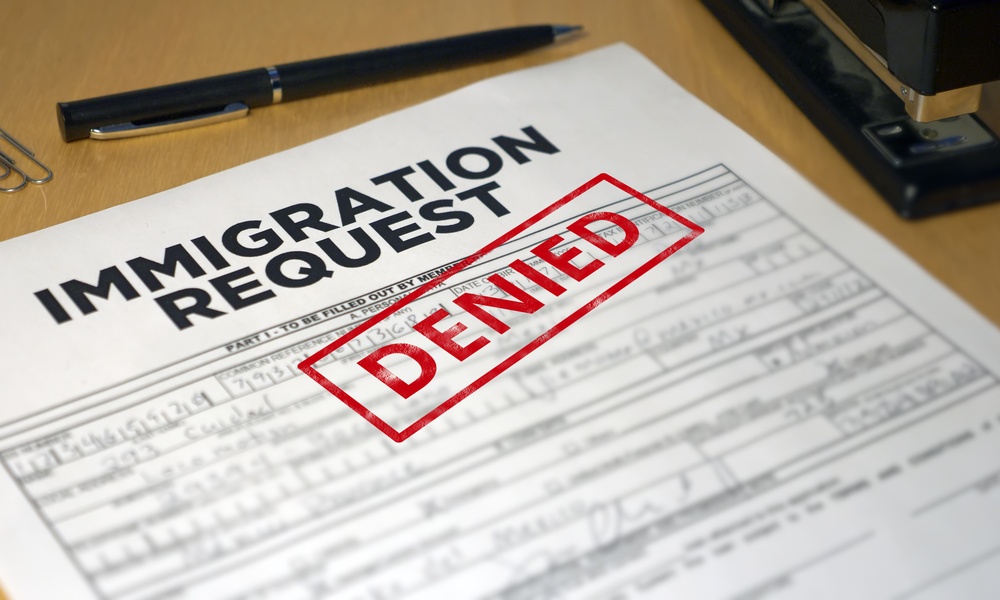
Immigration journeys rarely follow a straight path. The emotional weight of a denial, rejection, or unexpected delay can feel overwhelming. Many assume their dreams of building a new life have come to an abrupt end. However, these moments often represent temporary obstacles rather than permanent roadblocks. Knowing the key steps to take after an immigration setback can transform what feels like defeat into an opportunity for a stronger application and better outcome.
Understand What Went Wrong
You need a clear picture of why your application was unsuccessful before moving forward. Immigration decisions come with detailed explanations, but legal jargon, or “legalese,” can be confusing. Request a copy of the complete file from the immigration office if you haven’t received one already.
Look for specific reasons cited in the denial or rejection letter. Common issues include insufficient documentation, missed deadlines, incomplete forms, or failure to meet eligibility requirements. Sometimes the problem stems from a misunderstanding about what evidence was needed or how to present your case effectively.
Explore Your Appeal Options
You can challenge most immigration decisions through formal appeal processes. These procedures have strict deadlines, so acting quickly is essential. Some appeals go through administrative review boards, while others require federal court proceedings, and each pathway has different requirements, costs, and timelines. For example, understanding your rights after your asylum is denied involves knowing about Board of Immigration Appeals procedures and potential federal court review options. Consider getting professional help for the appeal process, even if you handled your initial application independently.
Gather Additional Evidence
Immigration setbacks often highlight gaps in documentation or evidence. Use this feedback to strengthen your case for reapplication or appeal. Start by addressing every concern raised in the denial letter.
Collect new documents that support your eligibility, which might include updated financial records, additional character references, medical documentation, or proof of changed circumstances. Make sure to properly translate and authenticate all documents according to immigration requirements.
Consider Alternative Pathways
One immigration route closing doesn’t mean all doors are shut, because immigration law offers multiple pathways to achieve similar goals. A family reunification application might be possible even if an employment-based petition was denied, and student visas can provide temporary status while you work toward permanent solutions. Research other visa categories that might fit your situation. Sometimes a different approach works better than trying to fix problems with your original strategy.
Moving Forward With Confidence
Immigration setbacks test your resolve, but they don’t define your future. Taking the key steps to take after an immigration setback positions you for a stronger comeback. Each challenge overcome builds the knowledge and documentation that support your ultimate success.
Remember that immigration law is always evolving, and policies that work against you today might change in your favor tomorrow. Persistence, combined with strategic planning and professional guidance when needed, creates the best foundation for achieving your immigration dreams.
