
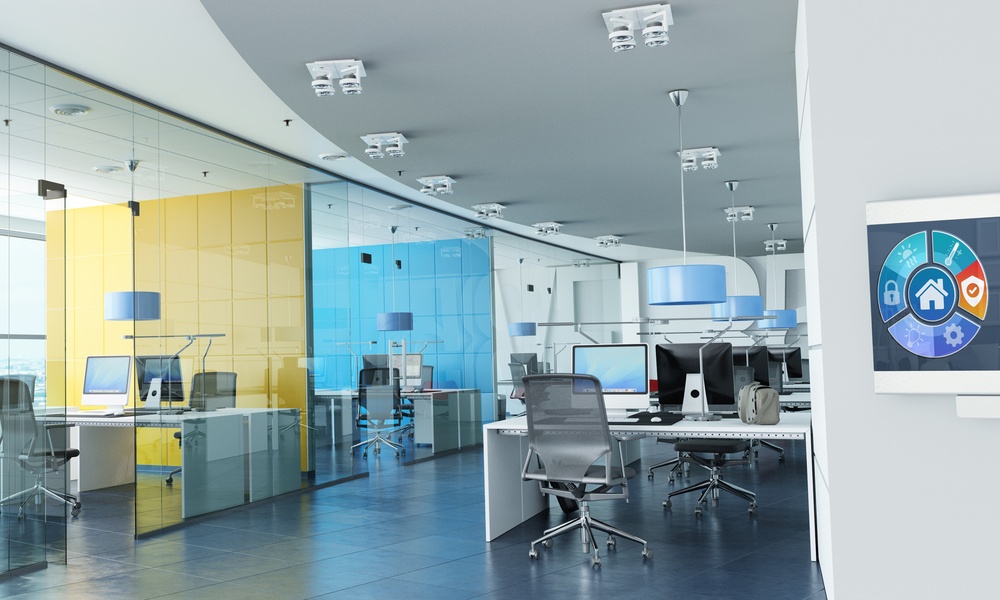
Commercial building design depends on lighting that supports safety and efficiency. A strong lighting plan also shapes how storefronts, offices, lobbies, and shared areas feel to local residents, tenants, and visitors.
Modern projects often start with LED systems because they cut energy use and reduce maintenance demands. Designers also look at layout, ceiling height, window placement, and business hours before selecting fixtures and controls. Learn about these aspects and more by exploring the lighting system options for commercial building design.
Why Lighting Choices Matter
Lighting affects visibility, comfort, and operating costs from the first day of occupancy. Poor fixture selection can create glare and uneven brightness that make indoor spaces feel harsh or inefficient.
Building owners and developers also face stricter energy codes and rising utility costs. For that reason, lighting design now plays a larger role in long-term property value and everyday building performance.
Common Fixture Options
Recessed downlights work well in lobbies and retail spaces that need a clean and modern appearance. Pendant fixtures often suit reception areas, restaurants, and open commercial interiors where both style and task lighting matter. Linear fixtures fit offices, schools, and healthcare settings because they spread light evenly across larger areas.
Many projects combine several fixture types to match each area’s purpose. A mixed approach gives designers better control over brightness and energy use across the property.
Smart Controls and Adaptive Systems
Lighting controls do much more than turn fixtures on and off. Occupancy sensors, dimmers, timers, and daylight-responsive controls help buildings reduce waste and match output to actual conditions.
Smart systems also support scheduling for different zones, business hours, and seasonal daylight changes. Property teams that want stronger efficiency often review the benefits of adaptive lighting when comparing modern control strategies.
Daylighting and Energy Performance
Natural light can lower electricity use and improve the feel of indoor spaces when the design supports it. Skylights and glass entry systems often work best when paired with shading tools and responsive controls.
Daylighting needs careful planning because too much direct sun can raise cooling loads and create glare. Balanced design helps commercial buildings capture useful daylight without sacrificing comfort or code compliance.
Key Priorities During Design
A successful commercial lighting system usually balances several goals at once:
- Energy efficiency
- Visual comfort
- Safety and code compliance
- Maintenance needs
- Appearance and brand fit
These factors shape fixture selection, placement, and control strategy from the earliest design phase. Strong coordination between architects, engineers, and contractors helps avoid expensive changes later in the project.
Building for Long-Term Value
Lighting systems for commercial building designs should serve current needs and future updates without major disruption. Flexible controls, durable fixtures, and efficient layouts help buildings stay competitive as tenant expectations and energy standards continue to change. Thoughtful lighting design delivers practical value that reaches far beyond the ceiling.
