
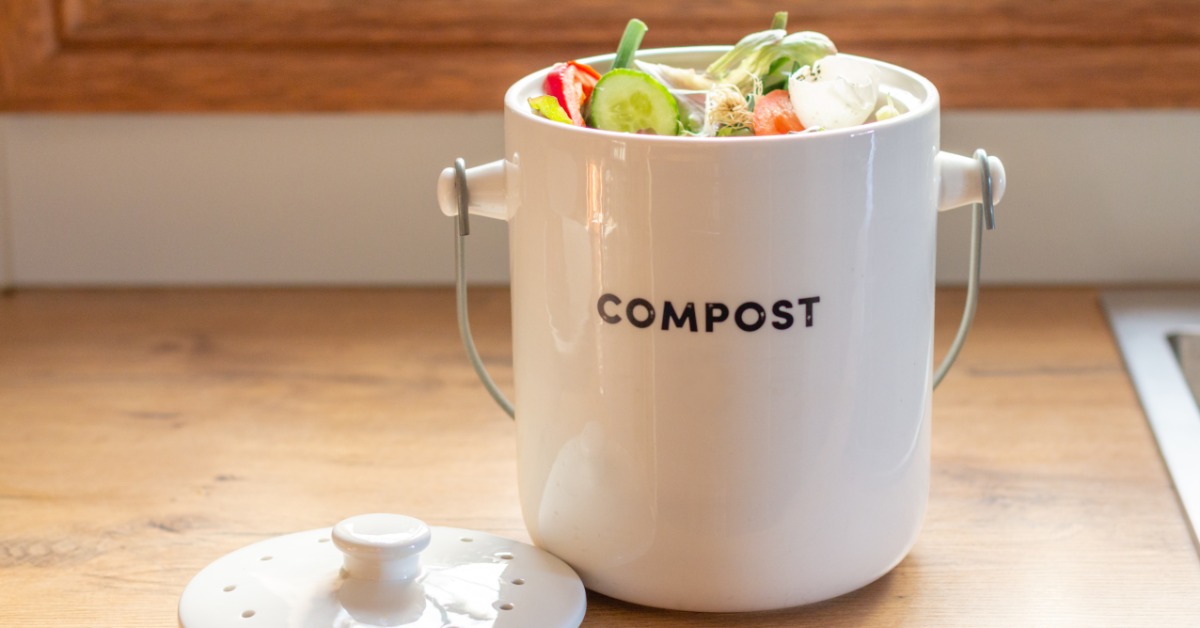
A yard gives you room for compost piles and garden beds, but you do not need outdoor space to build an effective low-waste routine. If you rent or live in a smaller home, you may face different challenges.
Fortunately, you can make low-waste living without a backyard or garden work by paying attention to what enters and leaves your home. In a small space, sustainability depends less on square footage than on the systems you use every day.
Start With What Leaves Your Home
Your trash can reveal a lot about your habits. Before you replace household products or buy new storage containers, notice what fills the bin most often. You may find that food waste takes up the most space, while another household may struggle with shipping materials.
A brief waste check can help you choose the right starting point. Look through your trash before collection day and identify the material that takes up the most space. Then, focus your first change on that category.
Make the Kitchen Your First Low-Waste Zone
Your kitchen probably produces more waste than any other room because food and packaging pass through it every day. In a small kitchen, clutter also becomes difficult to overlook. Half-used products and disposable containers can quickly crowd your cabinets.
Begin by arranging your food so you can see what needs attention. Move items with shorter shelf lives toward the front of the refrigerator or pantry. Keep leftovers visible and easy to identify, rather than hiding them behind newer groceries.
Give Every Food Item a Clear Purpose
Before you shop, check what you already have. Plan a few upcoming meals around ingredients waiting in your refrigerator or pantry. This habit helps you avoid duplicate purchases and gives forgotten food a better chance of reaching your table.
Food waste accounts for a significant share of the material entering U.S. landfills, where decomposition under low-oxygen conditions produces methane. When you keep edible food out of the trash, you address the problem before you need to manage its disposal.
Prevent Food Waste Before Managing Scraps
Composting can help with unavoidable scraps, but prevention should come first. Spoiled produce and untouched leftovers represent food you paid for but never used. Better planning can protect your grocery budget while reducing the amount of waste your household creates.
Buy only what you expect to finish! If you prepare more food than you can eat soon, freeze the extra portions before they become questionable. You can also plan flexible meals that use the same ingredients in different ways throughout the week.
Find a Food-Scrap System for Small Spaces
Even with careful planning, you will still have peels, coffee grounds, and other inedible scraps to manage. Traditional backyard composting may not suit your apartment or townhouse, but you still have other options.
Your community may offer curbside organics collection or a composting program through a community garden. Check local guidelines before you begin collecting scraps because accepted materials vary from one program to another.
Consider Indoor Processing Options
Indoor food-scrap appliances can give you another option when you lack outdoor compost space. There are multiple ways electric composting simplifies food waste management, especially if you can keep the system near where you prepare food. An indoor unit can reduce your dependence on a yard and give routine scraps a designated destination. Just make sure to read the manufacturer’s guidance before you treat the output as finished compost.
Reduce Packaging Before Bringing Groceries Home
Bulky boxes and disposable containers take up valuable storage space before they ever reach your recycling or trash bin. Choosing products with less packaging can reduce the amount you need to manage later.
Buy quantities your household can realistically finish. A bulk purchase only reduces waste when you use the product before it spoils. If you throw away the excess, the larger package has not solved the problem. If a nearby store offers refills, consider using containers you already own.
Reuse What Already Fits Your Home
Sustainable shopping can sometimes encourage you to replace functional belongings with products marketed as greener alternatives. However, replacing usable items also creates waste. Before you buy something new, ask whether an item you already own still does its job.
For example, you can reuse glass jars for food storage after you finish using them for their original contents. This principle applies throughout your home: extend the useful life of what you already have whenever you can.
Repair Before You Shop Again
Minor damage does not always mean an item has reached the end of its useful life. A loose handle or small tear may need only a simple repair. Fixing a familiar item also keeps another purchase from taking up space in your home.
Before you replace something, decide whether you can repair it or find another use for it. If you no longer need it, donate it or recycle it according to local guidelines. Give each item a deliberate exit from your home instead of sending it straight to the trash.
Use Local Systems Instead of Creating Your Own
You do not need to manage every sustainable practice on your own. Community infrastructure can fill many gaps for people living in apartments or in dense neighborhoods. Local recycling centers, repair programs, organic waste collection, and donation networks can handle materials your home cannot.
Check your local sanitation department before placing an item in curbside recycling! Rules differ by city, and the wrong material can contaminate an entire load. Local guidance should determine how you sort and dispose of household materials.
Community compost programs can also help you divert food scraps without having to maintain a backyard pile. A nearby drop-off site may serve you better than buying equipment for a small kitchen, especially if you produce only a modest amount of scraps.
Build a Routine Around Your Actual Space
A smaller home may limit your storage, but that limitation can also encourage you to make more deliberate choices about what you bring inside.
As you pursue low-waste living without a backyard or garden, reduce unnecessary purchases before adding complicated systems. Prevent food waste whenever possible, use local services for materials your home cannot handle, and choose indoor processing options only when they solve a recurring problem.
A backyard may expand your options, but thoughtful habits can still help you reduce waste meaningfully in a smaller home.
