
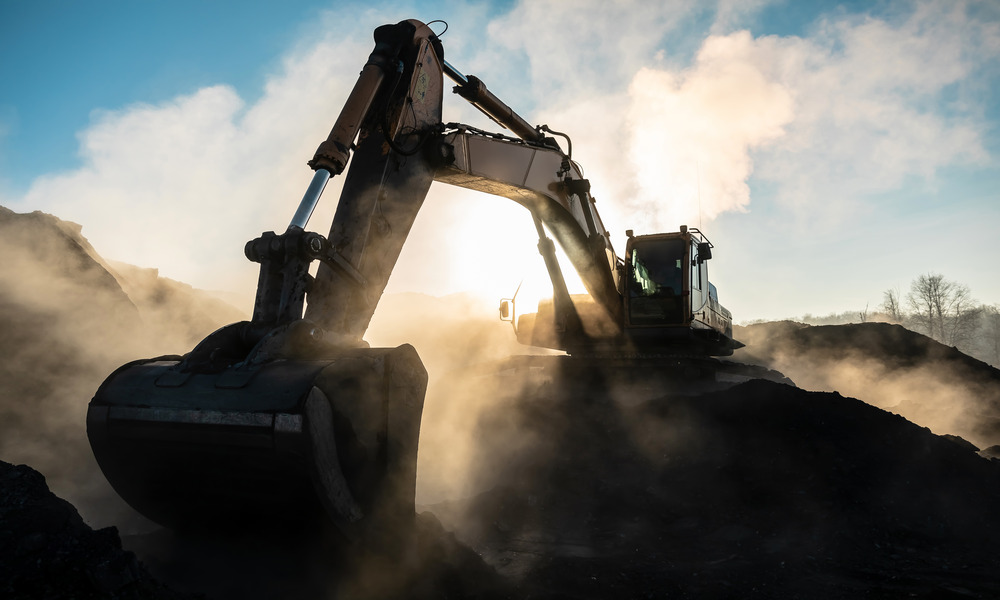
Excavators are essential machines in construction, mining, and various other industries. But how exactly does an excavator work, and what are its core functions? Here’s a straightforward look at the four main capabilities of an excavator to help you better understand its potential.
1. Digging and Excavating
The primary purpose of an excavator is to dig. Whether it’s trenches, foundations, or large holes, excavators excel at removing massive amounts of dirt, sand, or gravel quickly. Equipped with powerful hydraulic systems and sturdy boom-arms, these machines use a bucket attachment to scoop and remove material. This application is most useful for preparing construction sites or laying pipelines.
2. Lifting and Carrying Materials
Excavators have the power to lift and transport heavy materials. Thanks to their strong hydraulic arms, they can move loads such as steel beams, concrete slabs, large rocks, and more. Workers must choose the right excavator attachments, such as grapples or clamshell buckets, to tackle each lift. This function is crucial in demolition sites, mining operations, and logging.
3. Demolishing
Need to tear down an old building? Excavators can handle that. With hydraulic breakers, shears, and crushers as attachments, excavators turn into powerful demolition tools capable of breaking through concrete, brick, and steel structures. Workers use excavators to effortlessly and thoroughly tear down structures.
4. Grading and Leveling
Excavators aren’t just for digging and dismantling; they’re also adept at shaping and smoothing surfaces. With the right bucket or blade attachment, operators can use excavators for grading land, filling uneven terrain, or creating a level base for construction projects. This capability is a must for preparing roads, driveways, or construction pads.
These are the four main capabilities of an excavator, but this versatile machine can do even more. Thanks to hundreds of specialized attachments, excavators can handle thousands of heavy-duty jobs across most industries, from construction to forestry. Plus, their versatility only continues to expand. If you’re working on a project and considering an excavator, understanding these core functions will help you choose the right machine for the job.
