
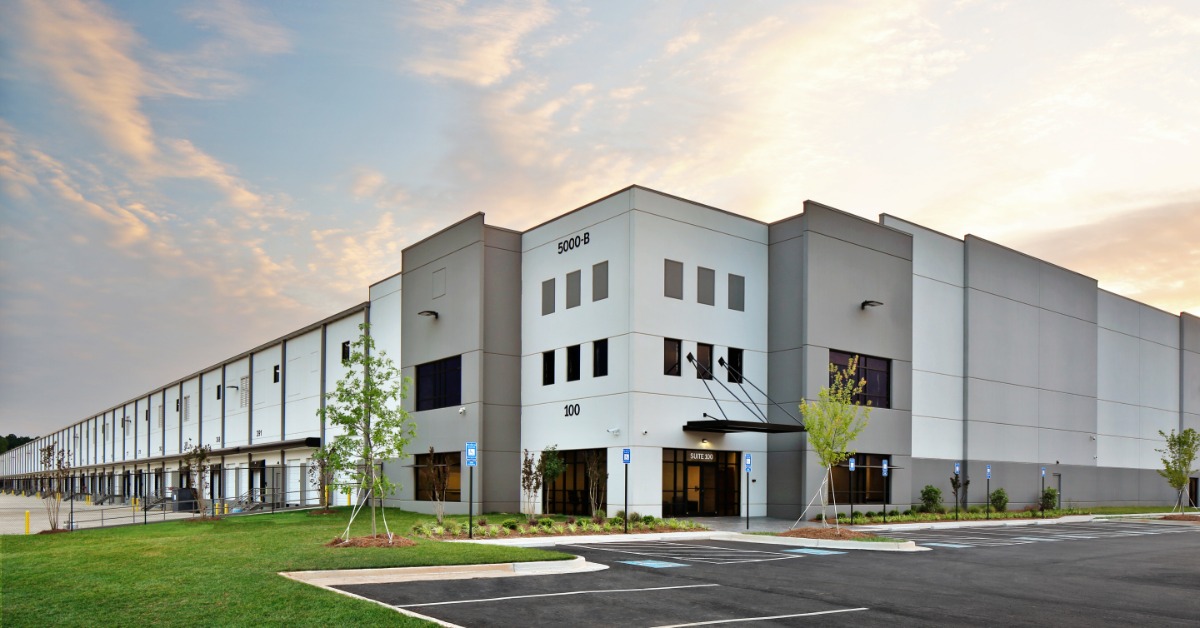
Selecting an industrial warehouse is a decision that can affect nearly every part of a company’s operations. The right facility can support efficient workflows and future growth, while the wrong one may create costly limitations that become apparent only after the business moves in.
It’s easy to focus on obvious considerations such as square footage or monthly rent, but industrial properties require a much deeper evaluation. Before signing a lease or purchasing a facility, businesses should know these common mistakes when selecting an industrial warehouse.
Choosing a Warehouse Based on Price Alone
A competitive rental rate can make a warehouse immediately attractive, but the lowest advertised price doesn’t necessarily translate into the lowest overall cost. Depending on the lease structure, tenants may also be responsible for expenses such as property taxes, insurance, maintenance, repairs, and common-area costs.
Operational costs matter, too. A less expensive facility located farther from suppliers, customers, or major transportation routes could increase fuel expenses and transportation time enough to offset the savings on rent.
Failing To Evaluate the Location Carefully
You should evaluate location based on how the business actually operates, not just whether the address looks convenient on a map. Access to highways, suppliers, customers, employees, and other transportation infrastructure can influence how efficiently goods move through the supply chain.
Businesses should also consider how trucks will reach the facility itself. Traffic restrictions, difficult turns, narrow access roads, or congestion near the property can create problems even when the warehouse is located relatively close to a major highway.
Looking at Square Footage Instead of Usable Space
Two warehouses with identical square footage can offer dramatically different amounts of usable storage space. Clear height, column spacing, floor condition, office buildouts, and other structural characteristics all influence how much of the building can actually support warehouse operations.
Clear height deserves particular attention because it determines how high inventory can safely be stored. Businesses should verify actual clearance to the lowest obstruction rather than relying solely on a marketing sheet, since sprinklers, lighting, HVAC equipment, and structural components can reduce usable vertical space.
Overlooking Loading and Truck Access
Loading areas can quickly become operational bottlenecks when a warehouse doesn’t have enough appropriately configured doors. Businesses should consider their typical shipping volume, vehicle types, delivery schedules, and whether the facility provides the combination of dock-high and grade-level access their operation requires.
The surrounding truck court matters as much as the building itself. Drivers need sufficient space to maneuver trailers, and businesses that regularly stage trailers may require additional outdoor capacity beyond the immediate loading area.
Ignoring Zoning and Permitted Uses
A building may look ideal without legally allowing the operation a company intends to conduct there. Industrial zoning classifications vary by jurisdiction, and a property categorized for industrial purposes doesn’t automatically permit every type of manufacturing, distribution, storage, or related activity.
Verify permitted use with the appropriate local authority before making a binding commitment.
Pro-Tip: Companies may also need to investigate restrictions involving outdoor storage, operating hours, hazardous materials, noise, signage, or other activities specific to their business.
Failing To Plan for Future Growth
A warehouse that perfectly fits current operations may become restrictive sooner than expected. Businesses should consider projected inventory, staffing, equipment, and distribution needs over the anticipated period of occupancy rather than selecting a facility solely around current conditions.
That doesn’t necessarily mean leasing substantially more space than needed. Instead, investigate whether the building provides flexibility. Here are some ways they may do so:
- Additional available space
- Expansion possibilities
- Efficient vertical storage
- Lease provisions that offer options as the business changes
Rushing Through the Lease Negotiation
Finding a warehouse that meets operational requirements is only part of the process. Businesses can still expose themselves to unexpected costs or limitations if they don’t carefully review and negotiate the industrial lease agreement before signing.
Take time to understand how to negotiate industrial lease agreements, especially when it comes to responsibilities that may not be obvious upfront. Review who is responsible for maintenance and repairs, along with how operating expenses are handled. Renewal options, rent increases, and rules surrounding property improvements should also be clear before making a long-term commitment.
Skipping a Thorough Property Inspection
A visual walkthrough provides useful information, but it shouldn’t replace appropriate due diligence. Roof condition, flooring, drainage, fire-protection systems, HVAC equipment, dock components, and other building systems can create substantial costs when deficiencies are discovered after occupancy.
The inspection should also account for the company’s intended use of the building. For example, floor load capacity and slab condition may be especially important when installing heavy equipment, pallet racking, or automated material-handling systems.
Forgetting About Workflow and Layout
A warehouse can technically accommodate an operation without necessarily accommodating it efficiently. Poor column placement, inconvenient dock locations, excessive office space, or an awkward building configuration can create unnecessary travel and make it harder to establish an efficient material flow.
Before selecting a facility, map out how goods would move through the building from receiving through storage and eventual shipment.
Making the Decision Too Quickly
Pressure to secure a property can encourage companies to shorten their due diligence process, particularly when suitable industrial space appears limited. Yet many of the most significant warehouse limitations are difficult or expensive to correct after the lease has been signed.
Approach warehouse selection as an operational decision rather than simply a real estate transaction. Comparing properties against clearly defined requirements for location, building specifications, infrastructure, permitted use, and long-term costs can help decision-makers identify concerns before they become expensive problems.
Select a Warehouse That Supports the Business
The best industrial warehouse isn’t necessarily the newest facility, the largest building, or the property with the lowest rental rate. It’s the one whose physical characteristics and contractual terms align with the way the business needs to operate.
Careful due diligence can prevent a company from becoming locked into a facility that creates unnecessary limitations. Avoid these common mistakes made when selecting a warehouse, and you’ll select a space that meets immediate requirements while remaining useful as your needs evolve.
