
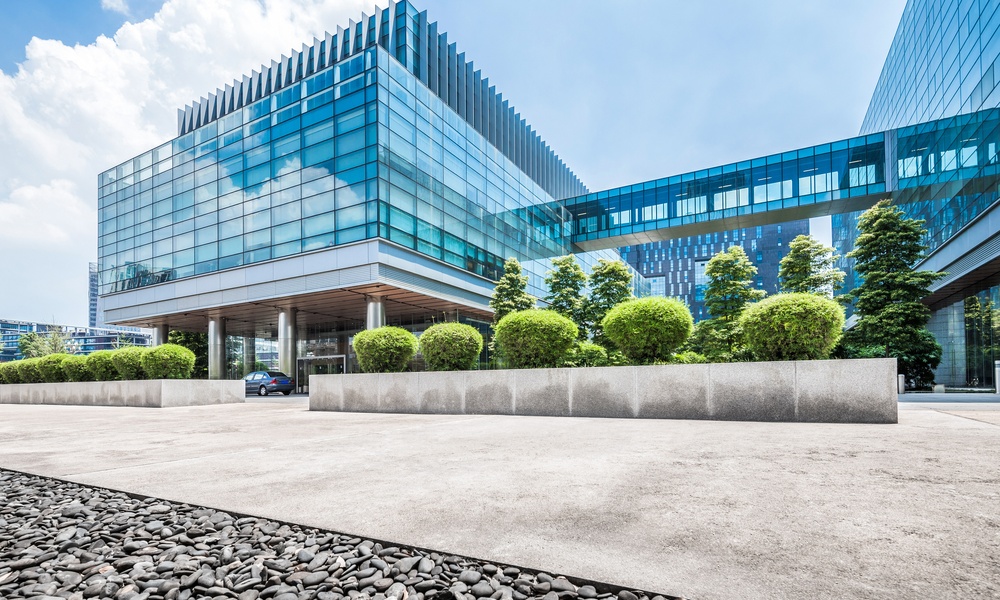
Modern architecture broke away from the ornamentation of the past, embracing function, minimalism, and new technologies. Emerging in the early 20th century, this movement shifted how we interact with the built environment. From towering skyscrapers to sleek residential homes, modern design prioritizes simplicity and structural honesty.
Emphasis on Function over Form
One of the most defining rules of modern architecture is the principle that “form follows function.” Architects of this era believed a building should primarily serve its intended purpose without unnecessary decoration.
Instead of intricate carvings or elaborate stonework, designers focused on efficient layouts and practical spaces. This approach resulted in clean lines and geometric shapes that define the visual identity of modern structures.
Open Floor Plans
Modern architecture revolutionized interior spaces by eliminating unnecessary walls. Open floor plans create a sense of flow and spaciousness, allowing different areas of a home or office to merge seamlessly.
By removing partitions, architects maximized usable space and encouraged social interaction. This design choice also improves ventilation and lighting, making interiors feel larger and more connected to the outdoors.
Innovative Use of Materials
The industrial revolution introduced new materials that modern architects eagerly adopted. Steel, reinforced concrete, and large expanses of glass became staples of the movement. These materials allowed for taller structures, wider spans, and lighter frameworks.
Specifically, notable design characteristics of modern architecture often include exposed structural elements. Rather than hiding beams or columns, modern designs celebrate the engineering behind the building.
Connection to the Outdoors
Modern architecture blurs the line between indoor and outdoor living. Large floor-to-ceiling windows and sliding glass doors bring natural light deep into the building while offering unobstructed views of the surrounding landscape. This integration with nature creates a harmonious environment where the building feels like an extension of its setting, rather than an intrusion.
Sustainable and Adaptive Facades
As modern architecture evolved, it began to incorporate sustainability and adaptability. Contemporary interpretations often use innovative cladding systems to improve energy efficiency.
For instance, metal mesh facades provide sustainability by offering sun shading and regulating temperature. These functional skins not only enhance the building’s aesthetic, but also reduce energy consumption, aligning with the modern ideal of efficiency.
Minimalism and Lack of Ornamentation
You will rarely find unnecessary detailing in a modern building. The aesthetic relies on the inherent beauty of the materials and the precision of the structure.
Smooth surfaces, neutral color palettes, and simple geometric forms replace the complex textures of previous architectural styles. This restraint creates a sense of order and calm, focusing the viewer’s attention on the volume and space itself.
The notable design characteristics of modern architecture continue to influence how we build today. By prioritizing function, embracing technology, and connecting with the environment, this style remains a timeless approach to design.
