
Complete optometrist guide 2026 covering eye tests, vision care services, treatments, costs and how to choose the best optometrist for your eye health.
Eye health is something most of us take for granted until something goes wrong. Yet our vision plays such a vital role in nearly everything we do, from driving to work to enjoying time with loved ones. In 2026, with our increasing reliance on digital devices and longer life expectancies, looking after our eyes has never been more important.
This guide will walk you through everything you need to know about optometrists and eye care services in Australia. You’ll learn the difference between various eye care professionals, discover what happens during an eye test, and understand common eye conditions and their treatments. We’ll also cover costs, Medicare options, and how to find the right optometrist near you. By the end, you’ll feel confident taking charge of your eye health this year and beyond.
What Does an Optometrist Do?
An optometrist is your primary eye care provider, trained to examine, diagnose, and treat a wide range of vision problems and eye conditions. Think of them as your first port of call for anything related to your eyes. They spend years studying at university before becoming fully qualified to prescribe glasses, fit contact lenses, and detect eye diseases.
Optometrists also identify early signs of serious conditions including glaucoma, diabetic retinopathy and macular degeneration.
According to guidance from World Health Organization, early detection through regular eye examinations significantly reduces preventable vision loss worldwide.
Beyond simply testing your vision, optometrists can identify early signs of serious conditions like glaucoma, macular degeneration, and diabetic retinopathy.
They’re also trained to spot general health issues that might show up in your eyes, such as high blood pressure or diabetes. This makes your regular eye check much more than just a prescription update.
Optometrist vs Ophthalmologist: What’s the Difference?
This question comes up constantly, and it’s easy to see why there’s confusion. An optometrist handles primary eye care, including eye tests, prescriptions, and managing many common conditions.
An ophthalmologist, on the other hand, is a medical doctor who specialises in eye surgery and treating complex eye diseases.
In most cases, you’ll start with an optometrist. If they discover something requiring surgical intervention or specialist medical treatment, they’ll refer you to an ophthalmologist. It’s a team approach that ensures you get the right care at the right time.
When Should You See an Optometrist Instead of an Eye Doctor?
For routine eye tests, updated prescriptions, contact lens fittings, or concerns about dry eyes and minor irritations, your optometrist is the perfect choice.
They’re accessible, often bulk-bill through Medicare, and can see you without a GP referral. Save the ophthalmologist for when your optometrist recommends specialist intervention or when you need eye surgery.
Essential Eye Care Services Explained
Modern optometry practices offer far more than basic eye tests. Understanding these services helps you make the most of your appointments and ensures your whole family receives appropriate care.
Comprehensive Eye Examinations
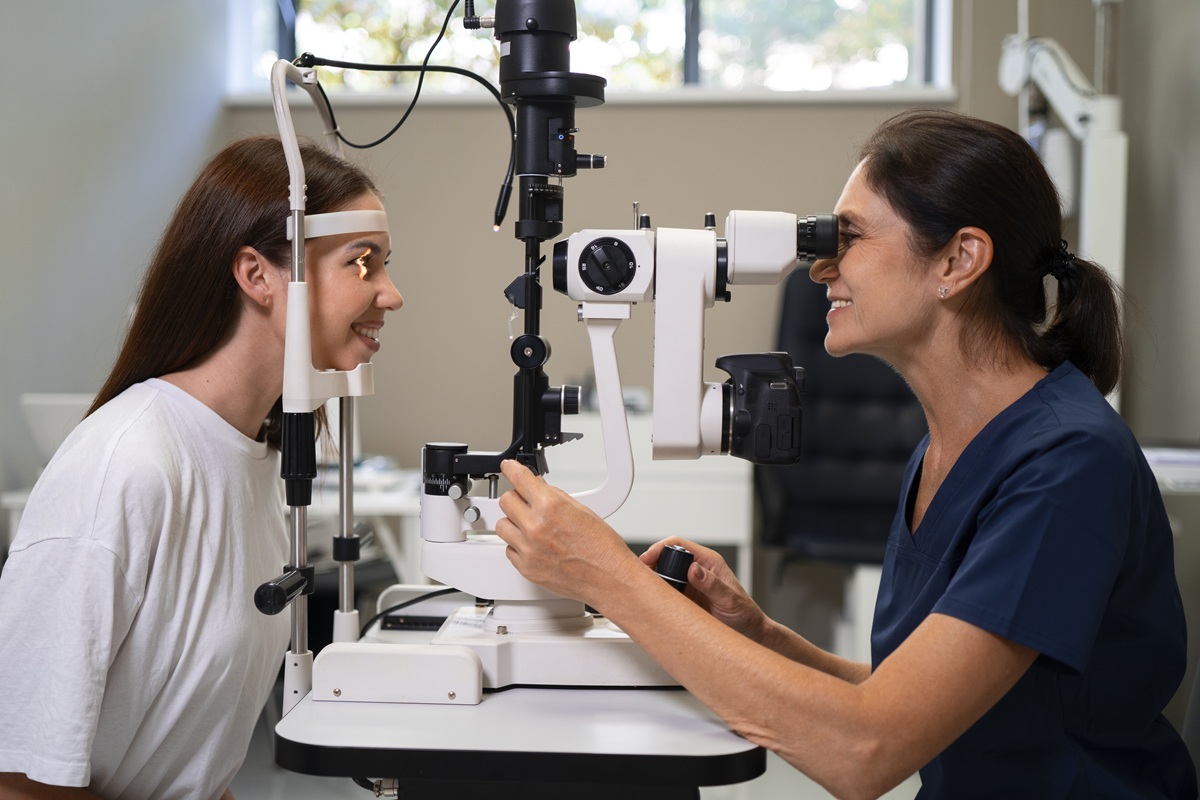
A thorough eye examination goes well beyond reading letters on a chart. Your optometrist will assess your overall eye health, check for diseases, evaluate how your eyes work together, and determine whether you need vision correction.
These examinations typically take 20 to 30 minutes and provide a complete picture of your ocular health.
Contact Lens Fittings and Consultations
Not all eyes are created equal, which is why contact lens fittings require professional expertise. Your optometrist will measure your cornea, assess your tear film, and consider your lifestyle before recommending the best lens type.
Whether you prefer daily disposables or monthly lenses, proper fitting ensures comfort and safety.
Children’s Vision Assessments
Kids often can’t articulate vision problems, making professional assessments crucial. Children’s eye tests are tailored to their age and development level, using pictures and games for younger ones.
Early detection of issues like lazy eye or focusing problems can make a significant difference to a child’s learning and development.
Driving Vision Tests
Clear vision is essential for safe driving. Optometrists can assess whether your eyesight meets legal requirements for driving in Australia.
If you’re renewing your licence or concerned about night driving, this assessment provides peace of mind and ensures you’re road-ready.
Common Eye Tests and What They Detect
Understanding what happens during your eye test removes any anxiety and helps you prepare properly. Modern testing methods are quick, painless, and incredibly informative.
How Often Should You Get Your Eyes Tested?
Adults should have their eyes tested every two years, though annual checks are recommended if you’re over 65, have diabetes, or have a family history of eye disease.
Children should be tested before starting school and then every two years throughout their education.
What Happens During an Eye Test?
Your appointment typically begins with questions about your medical history, current medications, and any vision concerns.
The optometrist then conducts various tests, examining both the front and back of your eyes, checking your peripheral vision, and assessing how your eyes respond to light.
Visual Acuity and Refraction Tests
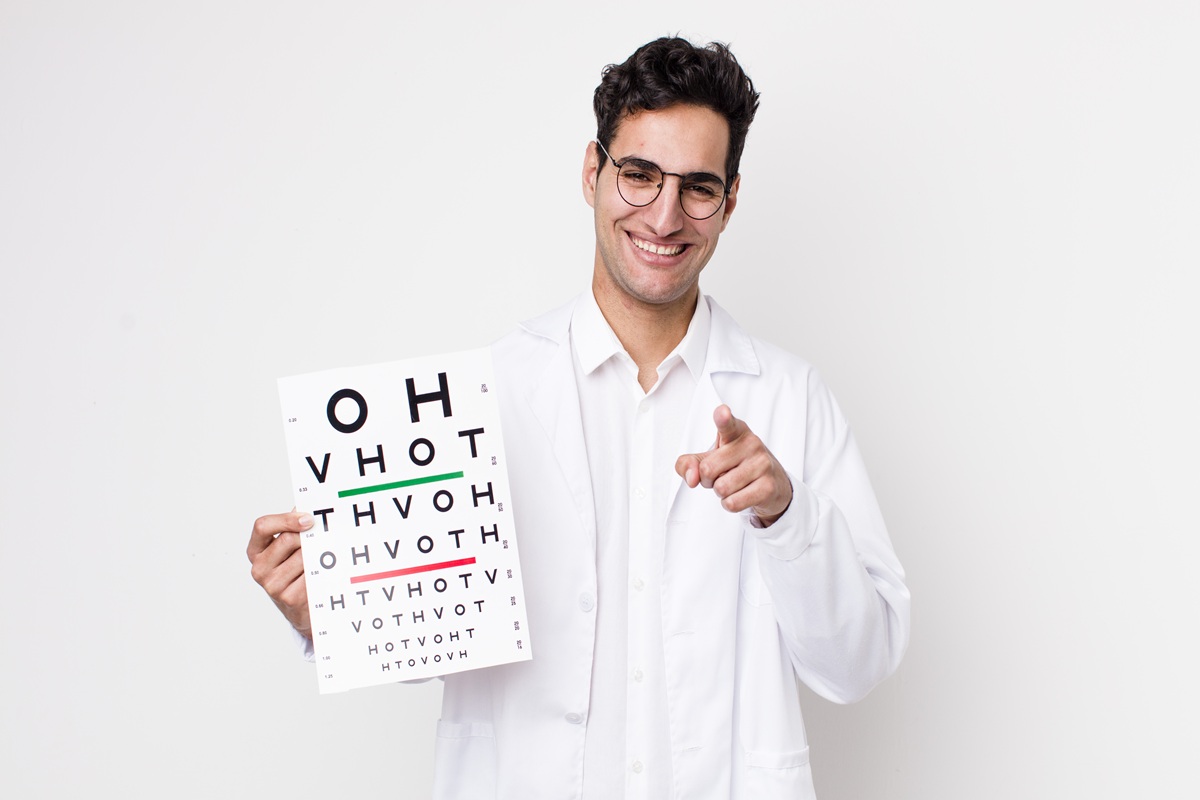
The classic letter chart test measures your visual acuity, or how clearly you see at various distances.
Refraction testing determines your exact prescription by having you look through different lens combinations until your vision is sharpest. It’s straightforward and tells your optometrist exactly what correction you need.
Glaucoma Screening and Eye Pressure Checks
Glaucoma often develops without noticeable symptoms, making screening vital. Your optometrist will measure the pressure inside your eyes using a quick, painless puff of air or gentle probe.
High pressure can indicate glaucoma risk, allowing early intervention before vision loss occurs.
Retinal Imaging and OCT Scans
Optical coherence tomography (OCT) scans create detailed cross-section images of your retina. This advanced technology detects conditions like macular degeneration and diabetic eye disease at their earliest stages.
Many practices now include retinal imaging as standard, providing a baseline record of your eye health.
Eye Conditions and Available Treatments
From common refractive errors to complex diseases, optometrists manage a wide spectrum of conditions. Here’s what you should know about the most frequent issues.
Myopia (Short-Sightedness) Management
Myopia rates are climbing, particularly among young people spending more time on screens and less time outdoors. Beyond simply prescribing glasses, optometrists now offer myopia management programs using special lenses or drops to slow progression in children.
Hyperopia and Presbyopia Correction
Long-sightedness (hyperopia) and age-related reading difficulties (presbyopia) are easily corrected with glasses or contact lenses.
Multifocal options work brilliantly for those needing help at multiple distances. Your optometrist will recommend the best solution based on your specific needs and lifestyle.
Dry Eye Syndrome: Causes and Solutions
Dry, gritty, irritated eyes affect millions of Australians. Causes range from screen use and air conditioning to medications and hormonal changes.
Treatment options include lubricating drops, warm compresses, prescription medications, and in-practice procedures like intense pulsed light therapy.
Can an Optometrist Treat Eye Infections?
Absolutely. Optometrists are trained to diagnose and treat common eye infections like conjunctivitis and blepharitis.
They can prescribe antibiotic or anti-inflammatory eye drops when needed, saving you a trip to the GP for straightforward cases.
Cataracts: Early Detection and Referral Pathways
While optometrists don’t perform cataract surgery, they play a crucial role in early detection and monitoring. When cataracts begin affecting your daily life, your optometrist will refer you to an ophthalmologist for surgical assessment, ensuring a smooth transition of care.
How to Choose the Best Optometrist Near You
Finding the right optometrist makes a real difference to your eye care experience.
What to Look for in an Optometry Practice
Consider factors like location, appointment availability, the range of services offered, and the technology used. Reading online reviews gives insight into other patients’ experiences.
A welcoming atmosphere and friendly staff make visits more pleasant, especially for children or anxious patients.
Questions to Ask Before Your Appointment
Don’t hesitate to ask about bulk billing, appointment length, available tests, and whether the practice specialises in areas relevant to you.
Enquiring about their approach to children’s eye care or contact lens fitting helps ensure they meet your specific requirements.
The Future of Eye Care: Technology and Trends for 2026
Eye care continues evolving rapidly. Artificial intelligence now assists with disease detection, improving accuracy and speed of diagnosis. Telehealth consultations offer greater accessibility for remote patients.
New myopia control treatments show promising results, and innovative dry eye therapies are becoming more widely available. Staying informed about these advances helps you access the best possible care.
Research initiatives led by organisations such as American Academy of Ophthalmology continue advancing treatment strategies for retinal disease and glaucoma.
Conclusion
Your eyes deserve proper attention, and regular visits to your optometrist are the foundation of good eye health. We’ve covered the essential services available, what to expect during your tests, and how common conditions are managed.
Understanding the difference between eye care professionals ensures you always se the right person for your needs.
Making eye care a priority doesn’t have to be complicated or expensive. With Medicare bulk billing widely available and private health insurance often covering optical expenses, there’s really no excuse to skip those regular check-ups.
Whether you need new glasses, want to try contact lenses, or simply want peace of mind about your eye health, your local optometrist is ready to help.
So, when did you last have your eyes tested? If it’s been more than two years, now’s the time to book an appointment. Your future self will thank you for looking after your vision today.
After all, there’s a whole world out there to see clearly, and keeping your eyes healthy ensures you won’t miss a moment of it.
Stay informed about the latest developments in health technology, medical innovation and preventive healthcare. Follow The World Beast for expert reporting, in-depth guides and trusted global health insights.
