
Discover the latest PPE trends transforming jobsite culture through smart technology, sustainability, and improved worker safety and productivity.
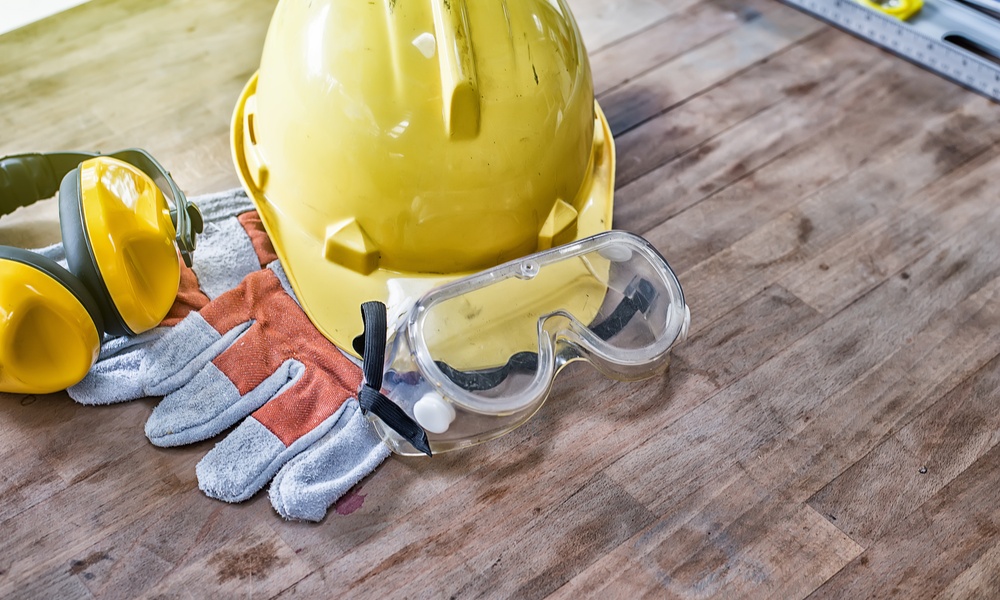
Personal protective equipment no longer serves as basic compliance gear alone. Modern jobsites now treat PPE as part of workplace culture, employee identity, and operational efficiency.
Companies across construction, manufacturing, logistics, and energy sectors continue investing in better protective equipment for safety and morale.
Workers increasingly expect gear that improves visibility and communication during demanding shifts. Learn a few PPE trends that are changing jobsite culture and reshaping modern workdays.
Smarter Gear Improves Worker Performance
Technology continues reshaping protective equipment at a rapid pace. Many manufacturers now design smart helmets with built-in communication systems and environmental sensors.
These devices help crews monitor temperature, air quality, and hazardous conditions without interrupting workflow. Workers receive faster alerts and respond to risks before incidents escalate.
Lightweight materials also improve daily comfort on busy jobsites. Heavy equipment once caused fatigue during long shifts, especially in extreme temperatures.
Newer PPE designs reduce strain while maintaining strong safety standards. Comfortable workers often stay more focused and productive throughout the workday.
PPE Now Supports Team Identity
Many companies now use protective gear to strengthen workplace culture. Branded equipment creates a stronger sense of belonging among crews working in high-pressure environments.
Managers increasingly understand how appearance affects confidence, accountability, and teamwork on active jobsites.
In many industries, custom logo safety vests boost team morale while reinforcing professionalism across departments.
Uniform safety gear also improves recognition and communication. Workers can identify supervisors, electricians, or emergency responders more quickly during busy operations.
This clarity reduces confusion and improves coordination during critical tasks. Organized teams often operate more safely because workers understand their roles immediately.
Sustainability Influences PPE Decisions
Environmental concerns now affect purchasing decisions across many industries. Manufacturers increasingly produce recyclable hard hats, biodegradable gloves, and reusable protective clothing.
Companies want safety equipment that supports sustainability goals without sacrificing worker protection. This shift reflects broader pressure to reduce waste on industrial sites.
Some employers now track PPE usage more carefully to limit unnecessary disposal. Inventory systems help companies replace damaged equipment without overordering supplies.
Durable products also lower long-term operational costs while reducing landfill waste. Businesses increasingly recognize that sustainability and workplace safety can support each other effectively.
Several PPE trends continue shaping jobsite culture today:
- Smart helmets with communication tools.
- Cooling fabrics for outdoor workers.
- Reusable respiratory protection systems.
- Sustainable manufacturing materials.
- Customized branded safety equipment.
- Improved visibility designs for night work.
Training and PPE Work Together
Even the best protective equipment loses value without proper training. Employers now focus more heavily on teaching workers how to wear, inspect, and maintain PPE correctly.
Interactive safety sessions help employees understand why each piece of equipment matters. Workers who understand risks often follow safety procedures more consistently.
Many companies now include PPE education in leadership development programs. Supervisors must model strong safety habits if organizations want long-term cultural change.
Employees notice when leaders ignore protective equipment requirements during daily operations. Consistent leadership builds accountability across the entire workforce.
PPE trends continue changing how workers view safety on modern jobsite cultures. Companies no longer treat protective equipment as a simple regulatory requirement.
Businesses now see PPE as an investment in performance, communication, and workplace culture.
As technology and expectations evolve, safety equipment will continue shaping the future of jobsite environments.
Ready to upgrade workplace safety? Explore modern PPE solutions that improve productivity, strengthen team culture, and protect workers.
