
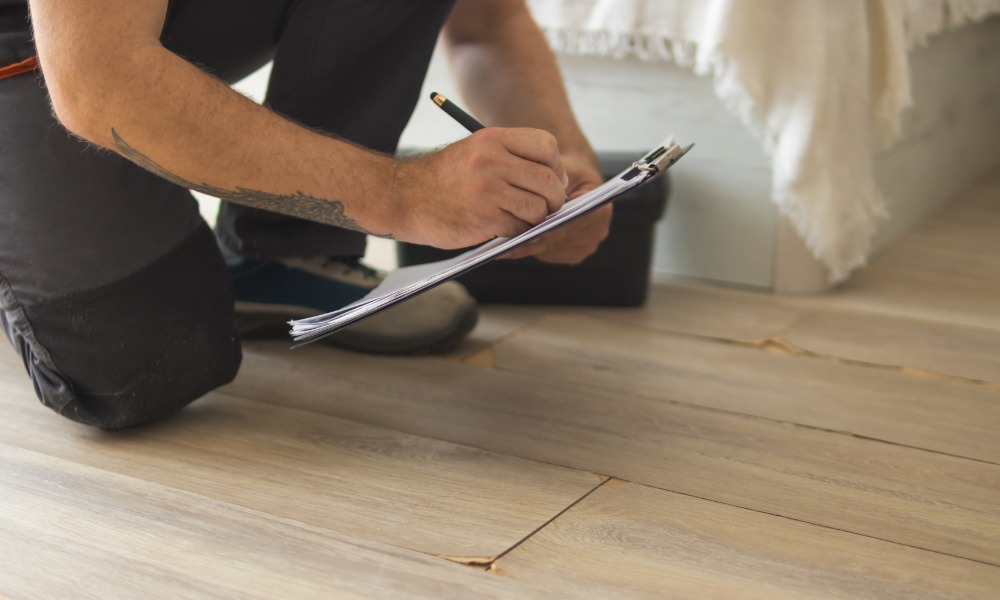
A moving truck pulls up outside your apartment building, and the lobby becomes a route for heavy furniture. Everything looks fine at first, but then a dolly wheel catches a floor transition, and someone drags a dresser across the hallway to get around it. By the time the new tenant finishes unloading, your maintenance team must handle another repair.
If you manage rental properties, you know how quickly a routine move becomes expensive. Start preventing floor damage during apartment move-ins before the truck arrives. With the right preparation, you can protect the building without making moving day harder for residents.
Give Residents Clear Instructions Before Moving Day
People follow moving rules more consistently when they receive them early enough to plan. If you send a reminder after the movers arrive, it does little good, especially once unloading has started.
Tell the resident which entrance to use. If your building has a service elevator, explain how to reserve it. Also, identify where the truck should park so the driver does not block access for other residents.
When several tenants move during the same weekend, assign separate time windows. This reduces carts squeezing past each other in the hallways. While you plan traffic, keep exits and accessible routes clear. Never let floor protection create a new safety problem.
Choose Protection That Matches Your Flooring
A moving blanket may seem like an easy solution, but if someone pushes a refrigerator over it and the fabric bunches beneath the wheels, it can cause problems. Choose a floor protection covering that withstands the traffic you expect.
For hard flooring, use temporary protective boards that suit the surface and provide a stable route for loaded dollies. Ensure the underside does not scratch the finish. Use a different floor protection approach for carpet, and avoid adhesive-backed films that can damage the carpet or leave residue when removed.
Do not use ordinary tape to hold everything down. First, check the flooring and floor protection manufacturers’ instructions. Then, inspect the edges after installation. A loose corner creates a trip hazard where movers already struggle to see around bulky furniture.
Pay Attention to the Wheels, Not Only the Furniture
A dirty dolly wheel attracts less attention, even though one trapped pebble can scratch a finish along an entire hallway. Before unloading begins, instruct the moving crew to examine the wheels on its carts. Look for embedded grit and damaged wheel surfaces. Appropriate non-marking wheels reduce scuffs, but they still need to carry the load safely.
If the crew needs to move a heavy appliance, use proper moving equipment instead of improvising with a blanket. When necessary, have movers lift furniture over raised thresholds rather than forcing a loaded cart against the trim. A few careful seconds at the doorway spare your maintenance team a much longer repair.
Protect the Spots Where Movers Have To Turn
Straight hallways usually give movers room to control their equipment. Trouble starts when a large cabinet reaches an elevator door, and everyone has to change direction at once.
Pay closer attention to those turning points during setup. Depending on the building, install extra temporary panels or corner protection. Pay particular attention to these locations:
- Entrance thresholds where loaded carts first cross the floor.
- Elevator openings where wheels turn sharply.
- Hallway corners with little clearance for furniture.
- Apartment doorways with raised transition strips.
Secure each covering so nobody trips as the traffic increases. If a strip already sits loose, repair it instead of covering the defect and hoping nobody notices.
Don’t Let Rain Turn the Hallway Into a Mess
Moving schedules rarely match the weather. If rain starts halfway through unloading, wet shoes often bring grit inside. Dolly wheels move even more grit toward the apartment.
Place stable entrance mats where movers enter the building, and assign someone to check the floor during longer moves. Remove loose dirt halfway through the day to prevent wheels from grinding it into the finish for another three hours.
Replace Protection When It Stops Working
A soaked runner no longer provides the traction you need. Neither does a protection board that has shifted out of place. Instruct maintenance staff to inspect these areas between busy unloading periods and promptly correct any problems. Avoid the frustrating situation where a product meant to protect the floor becomes the reason someone slips.
Inspect the Route While the Move Is Still Fresh
Once the last box reaches the apartment, walk through the building again. Compare the floor with your earlier photos while you can still easily reconstruct the day’s events.
If you spot a new gouge, photograph it from the same angle and record its location. Contact the moving company about its claims process when the evidence points to its crew. Do not automatically charge the tenant for every mark you find. Review your lease and applicable state law before assigning responsibility.
Clean the Floor Without Covering Up Damage
After the movers leave, carefully remove temporary coverings. You will often find grit underneath, especially near the entrance. Vacuum carpeted routes before dirt works deeper into the fibers. For vinyl or other hard flooring, follow the manufacturer’s cleaning guidance instead of using a stronger product simply because the floor looks dirty.
In carpeted common areas, understanding the main benefits of professional carpet cleaning can help you remove stubborn soil or debris that routine vacuuming leaves behind. Schedule deeper cleaning when foot traffic and floor conditions justify the expense. Allow proper drying time before residents use the area again.
Remember, cleaning will not repair a torn seam. Flag actual damage for maintenance instead of expecting a cleaning crew to make it disappear.
Make the Next Move Easier on Your Building
The same hallway corner should not surprise your team every month. After each move, talk with the employees who inspected the route. Find out which protective materials stayed in place and where furniture caused trouble.
Keep reusable supplies available so staff do not scramble for protection on moving day. Update tenant instructions when you notice a recurring problem. A simple process works better than starting from scratch whenever someone signs a lease.
Over time, you will spend less effort fixing avoidable damage and more time keeping the property in good condition. Incorporate floor damage prevention during apartment move-ins into normal property care by preparing each route and addressing problems before they grow.
Your flooring lasts longer, your maintenance team avoids unnecessary repairs, and new residents enjoy a smoother start in their apartments.
