
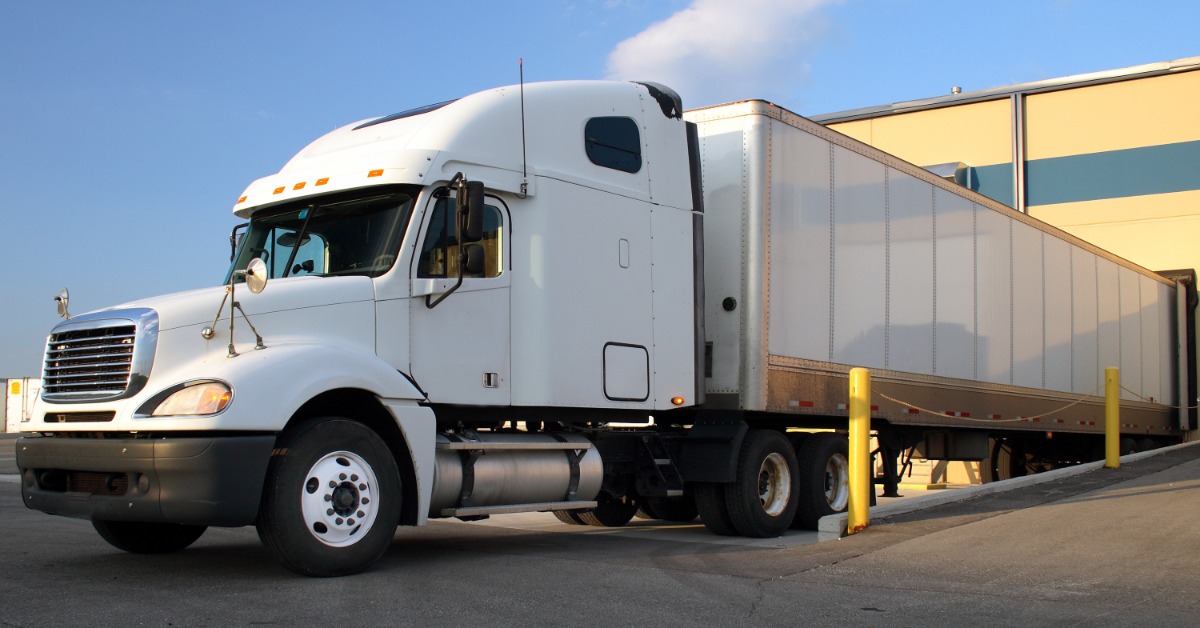
Having a hard time getting your trailer to sit flush on the back of your truck? This can happen for a few different reasons, many of them easily remedied. Here are the first things you should check when troubleshooting.
The Hitch Ball Is the Wrong Size
Trailer couplers are sized to match a specific ball diameter. If the ball is too small, the coupler won’t lock down securely and the trailer will rock or shift during towing. If it’s too large, the coupler won’t close at all.
Check the tongue of your trailer for a stamped or labeled coupler size before you assume the hitch you have will work. A mismatch here is one of the most common reasons a trailer won’t sit down correctly.
The Coupler Latch Isn’t Fully Engaged
Even with the right ball size, the coupler can fail to lock if the latch mechanism isn’t pushed all the way down. This sometimes happens when the ball mount sits slightly too high, which prevents the coupler from dropping far enough to engage the latch.
Always confirm the latch is fully closed and the safety pin or clip is in place before you move. This gets missed more than you’d think on a quick hitch-up.
The Ball Mount Height Is Off
If your truck sits higher or lower than your trailer’s tongue, the trailer won’t ride level. A ball mount that’s too tall lifts the trailer tongue and pitches the nose up. One that’s too short drops the tongue and puts extra downward pressure on the hitch.
Measure the height of your trailer’s coupler when it’s level, then compare that to where your ball will sit. An adjustable or drop-rise mount corrects this without much hassle.
The Fifth Wheel Is Worn or Damaged
Is your fifth wheel in decent condition? The fifth wheel is the coupling plate located on the truck bed that locks the trailer in place. If it’s damaged or worn down, it can cause the trailer to sit unevenly or shift under load. Make sure you’re doing what it takes to prolong your fifth wheel’s lifespan, and swap it out when it can no longer hold a secure connection.
The Load Distribution Is Off
How the trailer is loaded changes how it sits on the hitch. Weight pushed too far toward the rear lifts the tongue off the ball. The general target is 10 to 15 percent of the trailer’s total loaded weight sitting on the tongue.
If the hitch connection checks out but the trailer still rides funny, redistributing the load forward is the next logical step.
Check the Simple Stuff First
Most trailer seating problems come down to a size mismatch, an incomplete connection, or a height difference that’s easy to correct once you know what to look for. Run through each of these areas before assuming something is damaged or needs replacing.
A trailer that won’t sit properly on your truck is almost always fixable with the right information and a few adjustments. Start at the hitch, work your way back, and you’ll find it.
