
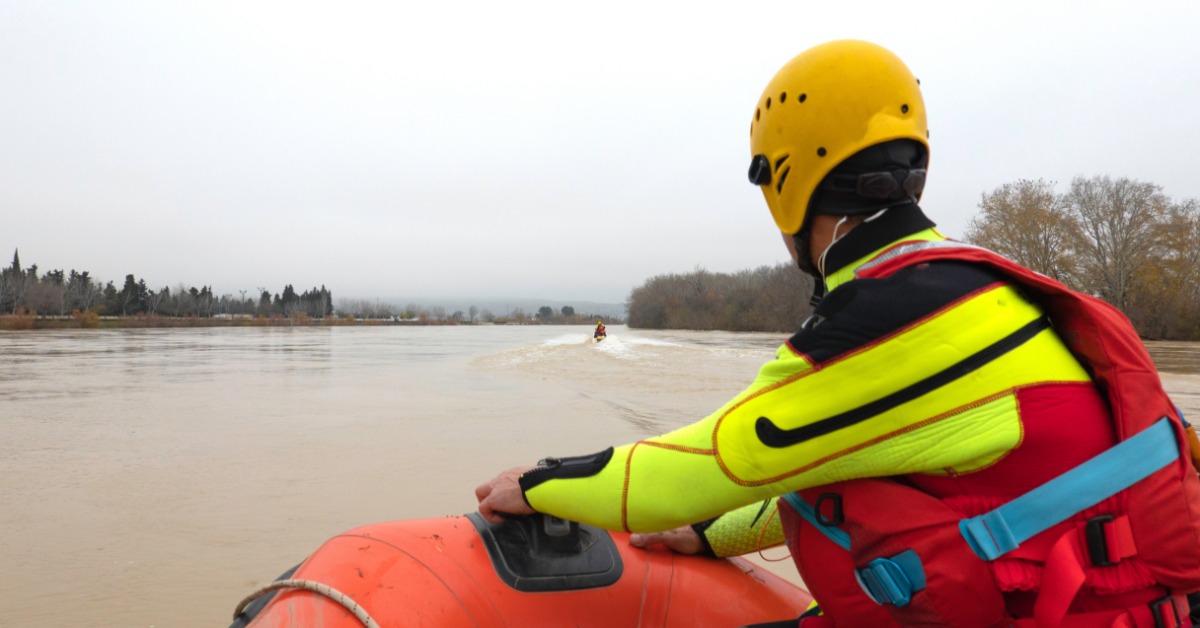
Water emergencies can become dangerous within minutes. Flooded neighborhoods can cut people off from roads, and strong currents can carry victims far from shore before crews arrive. First responders need equipment that helps them close that distance quickly without creating additional hazards for rescuers.
Rescue boats provide fire departments, emergency response teams, and public safety agencies with a reliable way to reach people in areas inaccessible to ground vehicles. They also help crews transport equipment and move injured victims toward medical care. When first responders serve a community near waterways or in flood-prone areas, a capable rescue boat can be a critical part of emergency preparedness.
Reach Isolated Victims
Floodwater can render familiar roads unusable. Even shallow water can conceal damaged pavement or debris that makes vehicle access unsafe. When emergency vehicles can’t reach a home or a stranded motorist, a rescue boat may offer the safest route.
Boat crews can move through flooded areas while keeping responders out of the water whenever conditions allow. That capability reduces unnecessary exposure to unstable surfaces and contaminated floodwater.
Rescue boats also help teams reach victims on rivers or lakes. Someone who falls from a vessel or becomes stranded on a small island may need immediate assistance. A boat allows responders to approach from the water instead of waiting for another agency to arrive.
Respond Faster on Water
Speed can influence the outcome of many water emergencies. People in cold water can lose strength quickly, and moving currents can separate victims from their last known location.
A dedicated rescue boat allows teams to launch as soon as conditions permit. Crews don’t need to rely on recreational boats or equipment that another department may have stored miles away.
Familiarity also improves response time. When crews train regularly with the same boat, they learn how it handles and how long setup takes. They can refine launching procedures and identify common delays before a real emergency reveals them.
Handle Flood Emergencies
Flooding can affect communities far from major rivers. Heavy rainfall can overwhelm drainage systems, pushing water into streets that are normally dry. Rapid changes can trap residents before they have time to leave.
Rescue boats help emergency teams evacuate people from areas where water blocks normal routes. Crews can also transport supplies to people who can’t leave immediately.
Departments should choose boats that fit the types of flooding they expect to encounter. Some emergencies involve shallow water with hidden obstacles, while others require greater range. Matching the vessel to local hazards helps responders operate more effectively.
Support Safer Operations
Water rescue creates risks for the rescuers as well as the victim. Strong currents can pull responders away from shore, and submerged objects can cause injuries. A rescue boat gives crews a stable platform from which they can assess conditions before entering the water.
Rescue boats have key features that support emergency operations, including designs that make boarding easier and layouts that give crews room to work. Departments should evaluate those features based on their typical calls rather than selecting a boat based solely on size or speed.
A stable vessel can also help responders maintain control while approaching a victim. Good maneuverability becomes especially valuable when crews operate near docks or other obstacles.
Transport Injured People
A successful rescue doesn’t end when responders reach the victim. Teams may need to move an injured or exhausted person from the water to a location where medical personnel can provide care.
Rescue boats can support patient transport when the deck provides enough working space. Responders need room to assist the patient without interfering with the operator.
Departments should think about how crews will bring a victim aboard before buying a boat. High sides can protect in some conditions, but they can make retrieval more difficult. A suitable design balances crew safety with practical access.
Teams can practice patient movement during training so each responder understands the process. Repetition helps crews coordinate movements without wasting time during a stressful call.
Carry Specialized Equipment
Water rescue teams may need more than personal flotation devices when responding. Depending on local hazards, crews may carry ropes or medical supplies. A rescue boat needs sufficient capacity for both personnel and mission-specific equipment.
Storage also affects how quickly responders can work. Crews shouldn’t have to move several bags to reach a frequently used tool. Thoughtful equipment placement keeps the deck organized and reduces unnecessary movement.
Departments should also account for the weight of rescue gear when evaluating boat capacity. A vessel may accommodate several passengers under normal conditions, but emergency equipment can significantly increase the total load.
Navigate Difficult Conditions
Rescue crews don’t get to choose perfect weather. Wind and changing water levels can complicate operations. Debris may also make familiar waterways harder to navigate after storms.
Boat design affects how a crew manages those conditions. Some vessels perform better in shallow water, while others offer greater stability in rougher conditions. Local geography should influence the choice.
Propulsion deserves similar attention. Crews may need to operate around debris or in areas where underwater hazards make conventional equipment vulnerable. Departments should review the advantages of available propulsion systems before selecting a configuration.
No boat can eliminate every water hazard. Proper equipment gives trained crews more control over how they approach those hazards.
Improve Mutual Aid
Large incidents often bring several agencies together. A flood may stretch across multiple jurisdictions, while a search operation may require crews from neighboring departments.
A department with a ready rescue boat can contribute valuable water access during mutual aid operations. That capability can expand the overall response area and help incident commanders assign resources more efficiently.
Compatibility supports coordination. Departments that frequently work together should understand each other’s boat capabilities and communication practices. Joint training can reveal differences before an emergency causes confusion.
Knowing what each team can contribute helps incident leaders make faster deployment decisions when conditions change.
Strengthen Training
Owning a rescue boat gives first responder teams an opportunity to build skills with the equipment they will use during real calls. Occasional training on borrowed equipment can’t provide the same familiarity.
Regular drills let operators practice maneuvering and launching. Other crew members can rehearse victim retrieval and equipment placement. Each session can expose small issues that teams can correct before the next call.
Training should reflect local conditions whenever possible. A department near moving water may emphasize current-related scenarios, while a flood response team may practice navigation through shallow areas.
Crew members should also learn the limitations of their vessel. Confidence helps during emergencies, but overconfidence can put responders in danger. Knowing when not to launch remains part of sound water rescue decision-making.
Prepare Before the Emergency
Communities don’t need to sit beside an ocean to face serious water emergencies. Rivers and sudden flooding can create situations that ordinary response vehicles can’t handle. Departments that identify those risks early can prepare crews before conditions turn dangerous.
A rescue boat gives first responders greater access and a controlled platform for water operations. It can help teams reach stranded residents and move injured victims toward medical care. The right vessel also supports better training because responders can practice with the same equipment they will depend on during emergencies.
Departments should base boat selection on local hazards and expected missions. When agencies pair suitable equipment with consistent training, they can respond to water emergencies with stronger preparation. That readiness helps crews protect both the people who need rescue and the responders sent to reach them.
