
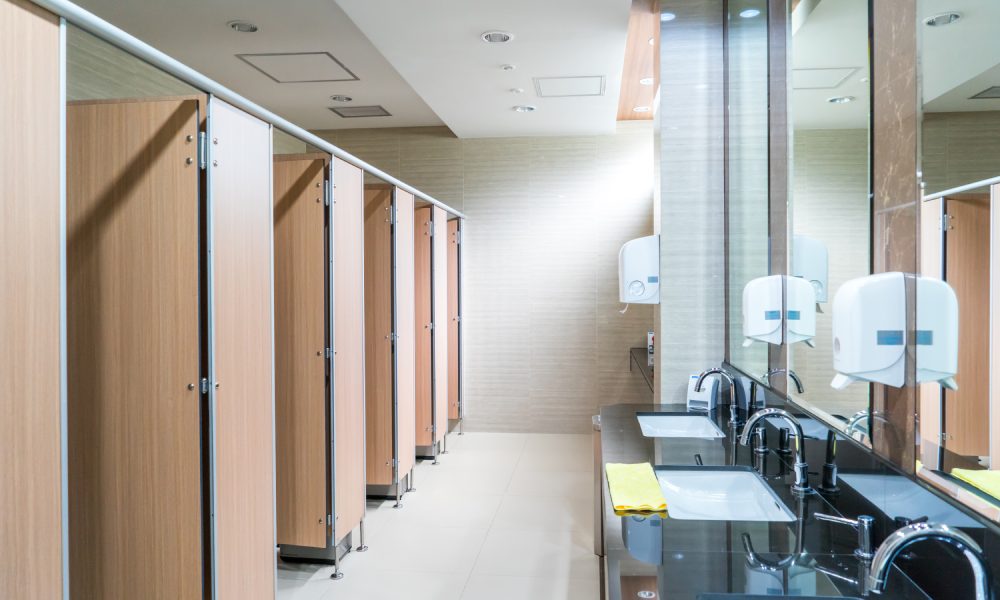
A public restroom says a lot about a business. Customers notice odors, surfaces, and supply levels almost immediately, and those details shape their view of the entire space. A clean restroom feels safe, cared for, and professionally managed. A neglected one can leave people questioning the business as a whole.
Reducing germs in public restrooms starts with daily habits, smart design, and consistent upkeep. Business owners who take restroom hygiene seriously protect their customers, support their staff, and foster a more trustworthy environment.
Focus on High-Touch Surfaces
Some areas collect more contact than others, so they need the most attention. Door handles, faucet controls, flush levers, stall locks, soap dispensers, and paper towel dispensers all attract frequent use throughout the day. When staff clean these points on a routine schedule, they reduce the spread of germs and keep the space looking cared for.
Cleaning crews should use products designed for restroom sanitation and apply them carefully to remove residue, grime, and buildup. Quick wipe-downs won’t solve the problem if surfaces remain damp or visibly soiled. A more thorough approach yields better results and helps the restroom stay fresher longer.
Build a Better Cleaning Routine
A strong cleaning routine depends on consistency. Business owners need a schedule that aligns with foot traffic, not a vague plan that covers only morning or evening tasks. Restrooms in busy restaurants, retail stores, healthcare offices, and entertainment venues often require attention several times a day.
Staff should restock supplies, sanitize fixtures, empty trash, and check for spills or messes during each round. When teams follow a clear routine, they can keep the restroom clean between uses and prevent small hygiene problems from becoming bigger ones. That consistency also helps employees move faster because they know exactly what to check.
Choose Fixtures That Support Hygiene
The right equipment can lower contact and make cleaning easier. Touch-free faucets, soap dispensers, hand dryers, and flush systems reduce the number of shared surfaces people handle during a visit. Smooth, durable materials also help because they resist staining and allow faster cleanup.
Trash cans with easy access can keep paper towels and other waste from piling up on counters or floors. Well-placed dispensers can reduce drips, clutter, and unnecessary contact. Business owners don’t need a full remodel to improve hygiene, but smart upgrades can make a noticeable difference.
Train Staff To Watch the Details
Restroom cleanliness depends on more than a checklist. Employees need to notice the details customers see right away. A sticky counter, an empty soap dispenser, or a trash bin that’s almost full can make the whole room feel unsanitary. Training staff to respond quickly helps maintain a higher standard throughout the day.
Managers should also inspect restrooms regularly instead of relying only on assigned tasks. When leadership pays attention, the team usually does the same.
A Cleaner Restroom Protects Your Reputation
A public restroom can strengthen your business reputation or damage it. Reducing germs in public restrooms takes consistent cleaning, smart maintenance, and practical upgrades that make the space safer and more welcoming for every visitor. Customers remember clean facilities, and they often connect that level of care with the overall quality of your business. In a competitive market, careful upkeep still makes a lasting difference.Top of Form
Bottom of Form
