
Have you noticed cracks creeping across your basement walls? Perhaps you’ve spotted damp patches appearing where they shouldn’t, or caught a whiff of that telltale musty smell that signals moisture problems? If any of this sound familiar, you’re definitely not alone.
Concrete cracks and water leaks are among the most common issues Australian property owners face, yet many people put off dealing with them until the damage becomes severe.
Here’s the thing: ignoring concrete cracks and leaks is a bit like ignoring a toothache. It might seem manageable at first, but left untreated, small problems can snowball into expensive nightmares.
Water infiltration weakens structural integrity, encourages mould growth, and can slash your property’s value faster than you’d think. The good news?
Modern repair methods like resin injections offer a smart, effective way to tackle these issues before they escalate.
In this article, we’ll explore everything you need to know about resin injection services. You’ll discover how this technology works, the different types of resins available, and when each method makes the most sense.
We’ll also cover costs, the step-by-step process, and how to choose a reliable service provider. Whether you’re dealing with a leaky basement, cracked retaining wall, or foundation concerns, this guide will help you make informed decisions about protecting your property investment.
What Is Resin Injection and How Does It Work?
The Science Behind Resin Injection Technology
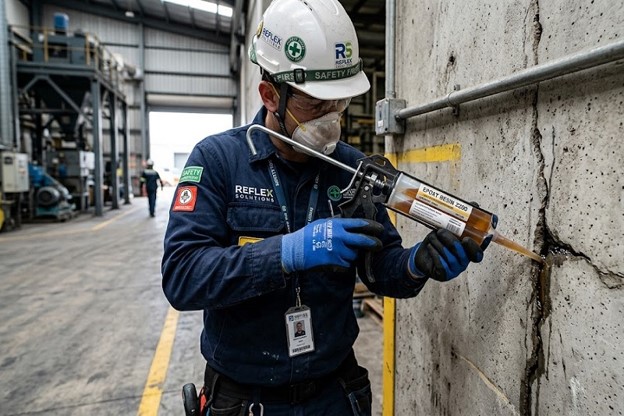
Resin injection is a clever repair technique that works from the inside out. Rather than digging up foundations or demolishing walls to access damaged areas, technicians inject specially formulated resins directly into cracks and voids.
These resins then expand, cure, and create a permanent seal that stops water ingress and restores structural integrity.
The process relies on pressure injections through ports drilled at strategic points along the crack. Once injected, the resin travels through the entire crack network, filling even the tiniest gaps that would be impossible to reach with traditional methods.
Think of it as giving your concrete a medical injection that heals damage at its source.
Types of Resin Used in Concrete Repair
Two main types of resin dominate the market: polyurethane and epoxy. Polyurethane resins are flexible and expand when they contact water, making them ideal for actively leaking cracks.
Epoxy resins, on the other hand, cure to form a rigid bond that’s often stronger than the surrounding concrete itself. The choice between them depends on your specific situation, which we’ll explore in more detail shortly.
Common Causes of Concrete Cracks and Water Leaks
Structural Movement and Settlement
Buildings move. It’s an unavoidable fact of construction. As soil settles beneath foundations, or as structures adjust to their loads over time, stress builds up in concrete elements.
This stress eventually releases through cracking. In Australia, our diverse soil types—from reactive clays in Melbourne to sandy soils in Perth—create unique challenges for foundations.
Water Pressure and Hydrostatic Forces
Water is remarkably persistent. When groundwater levels rise, hydrostatic pressure pushes against basement walls and floors with surprising force.
This pressure finds any weakness in the concrete and exploits it, forcing water through cracks and joints. Properties built on sloping blocks or in flood-prone areas face particular challenges.
Temperature Changes and Weather Exposure
Australia’s climate throws everything at our buildings. Scorching summers followed by cold winters cause concrete to expand and contract repeatedly.
Over years, this thermal cycling fatigues the material, leading to surface cracks that deepen over time. Coastal properties also contend with salt spray, which accelerates deterioration.
What Are the Different Types of Resin Injection Methods?
Polyurethane Resin Injection
Polyurethane injection excels at stopping active water leaks. When this resin meets moisture, it expands dramatically—sometimes up to 20 times its original volume.
This expansion fills voids completely and creates a flexible, waterproof barrier. Because the cured material remains somewhat pliable, it can accommodate minor structural movements without cracking again.
This method works brilliantly for basement waterproofing, leaking joints in underground car parks, and tunnel repairs.
The flexible nature of polyurethane makes it particularly suitable when ongoing movement is expected.
Epoxy Resin Injection
Epoxy injection takes a different approach. Rather than flexibility, epoxy offers structural repair. Once cured, epoxy bonds create connections that often exceed the tensile strength of the original concrete.
This makes epoxy the go-to choice for structural cracks where restoring load-bearing capacity matters.
Epoxy works best on dry or slightly damp cracks where structural bonding is the priority. It’s commonly used in columns, beams, and load-bearing walls where strength restoration is essential.
Which Method Is Right for Your Situation?
Choosing between polyurethane and epoxy isn’t always straightforward. Generally speaking, if water is actively flowing, polyurethane is your best bet.
If the crack is dry and structural repair is the goal, epoxy makes more sense. Many professional jobs actually use both—polyurethane first to stop the water, then epoxy to restore strength.
Is Resin Injection a Permanent Fix for Concrete Cracks?
This question comes up constantly, and the honest answer is: it depends. When performed correctly by experienced technicians, resin injections provide long-lasting repairs that can outlast the building itself.
The key factors are proper diagnosis of the underlying cause, correct resin selection, and professional application.
That said, resin injection addresses the crack itself, not necessarily what caused it. If ongoing structural movement continues, new cracks may develop nearby.
A thorough assessment before repair ensures any underlying issues are addressed alongside the injection work.
Signs Your Property Needs Professional Concrete Crack Repair
Visible Cracks in Walls, Floors, and Foundations
Not all cracks demand immediate attention, but some definitely do. Hairline surface cracks are usually cosmetic concerns.
However, cracks wider than 3mm, cracks that grow over time, or cracks showing displacement (where one side sits higher than the other) warrant professional assessment.
Water Seepage and Damp Patches
Water stains, efflorescence (white salt deposits), or actual water seepage are clear signals that moisture is penetrating your concrete.
Even without visible water, persistently damp patches indicate problems brewing beneath the surface.
Musty Odours and Mould Growth
That distinctive damp smell often appears before visible signs do. If certain areas of your property consistently smell musty, moisture is almost certainly present.
Mould growth on walls or stored items confirms the issue and highlights potential health risks requiring prompt attention.
How Much Does Resin Injection Cost in Australia?
Pricing varies considerably based on crack severity, accessibility, and resin type required. As a rough guide, expect to pay between $200 and $500 per linear metre for professional resin injection services.
Simple jobs might cost less, while complex basement waterproofing projects can run into thousands.
Remember that resin injection typically costs significantly less than traditional excavation methods, which might involve digging up gardens, removing driveways, or extensive demolition work.
When you factor in restoration costs, resin injection often represents excellent value.
Benefits of Choosing Resin Injection Over Traditional Repair Methods
Minimal Disruption and Fast Application
Unlike excavation-based repairs, resin injection requires minimal site preparation. Most jobs are completed within a day, with no need to relocate furniture or vacate premises. The equipment is relatively quiet, and cleanup is minimal.
Long-Lasting Waterproofing Solutions
Quality resin repairs provide decades of reliable service. The materials resist degradation, maintain flexibility where needed, and won’t break down due to water exposure. Many providers offer warranties of 10 years or more.
Cost-Effectiveness Compared to Excavation
When you tally up excavation costs, landscaping restoration, potential structural modifications, and extended project timelines, traditional methods often cost three to five times more than injection alternatives. Plus, the faster completion means less inconvenience.
Can Resin Injection Stop Water Leaks in Basements and Retaining Walls?
Absolutely. Basements and retaining walls are actually ideal candidates for resin injection because they’re subject to constant hydrostatic pressure.
Polyurethane injection, in particular, excels in these applications. The expanding foam seeks out water pathways and seals them completely, even under active flow conditions.
The Resin Injection Process: What to Expect Step-by-Step
Professional resin injection follows a systematic approach. First, technicians assess the damage and identify all affected areas. Next, they drill injection ports at intervals along the crack.
Surface sealing prevents resin from escaping during injection. The resin is then pumped under controlled pressure until it emerges from adjacent ports, confirming complete penetration. Finally, ports are removed and surfaces restored.
How Long Does Resin Injection Take to Cure?
Cure times vary by resin type. Polyurethane typically sets within minutes and reaches full cure within 24 hours.
Epoxy takes longer—usually 24 to 72 hours for complete curing. Your technician will advise on any restrictions during the curing period.
Choosing a Reliable Resin Injection Service Provider
Questions to Ask Before Hiring
Ask about their experience with your specific problem type. Request examples of similar completed projects. Enquire about warranty terms and what happens if issues recur. Don’t forget to confirm they carry appropriate insurance.
What Qualifications and Experience to Look For
Look for providers with demonstrated waterproofing credentials and training in resin injection techniques.
Membership in industry associations suggests commitment to professional standards. Reviews from previous customers offer valuable insights into real-world performance.
Protecting Your Property Investment with Professional Repair
We’ve covered considerable ground today, from understanding why concrete cracks and leaks develop to exploring how modern resin injection technology provides effective, lasting repairs.
The key takeaway? Early intervention saves money, preserves structural integrity, and protects your property’s value.
Resin injection has genuinely transformed how we approach concrete repair. It’s faster, less invasive, and often more durable than traditional methods.
For homeowners and property managers exploring professional resin injection for concrete crack and leak repair, understanding the process upfront makes all the difference in choosing the right specialist for the job.
Whether you’re dealing with a damp basement, cracked retaining wall, or foundation concerns, this technology offers a smart path forward.
Don’t let small cracks become big problems. If you’ve noticed any warning signs we’ve discussed, consider reaching out to a qualified specialist for an assessment. Your property — and your peace of mind — will thank you for it.
