
Explore how Rolling Stone delivers authoritative music, film, TV, and political news — and why it remains a global cultural force.
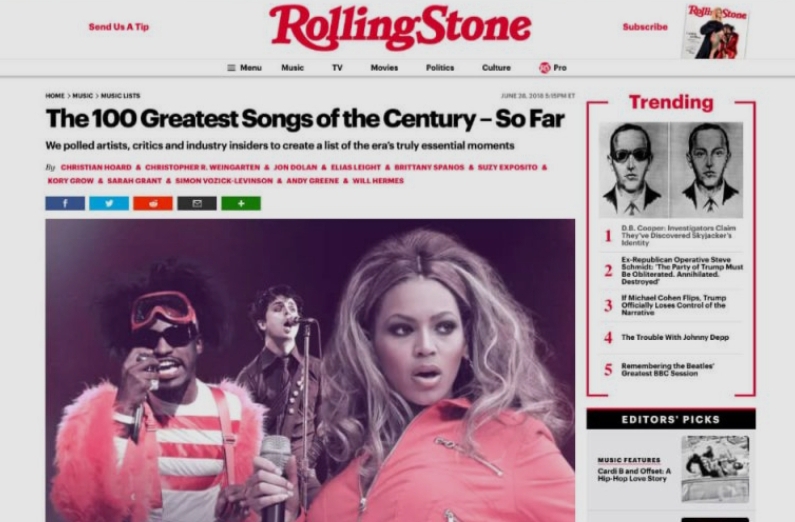
For decades, Rolling Stone has stood at the intersection of music, politics, film, television, and culture. More than just a magazine, Rolling Stone has become a global authority in cultural journalism, shaping conversations around artists, movements, and power.
In an era dominated by fast-moving digital news, Rolling Stone continues to influence how audiences understand entertainment and political narratives.
What Is Rolling Stone?
Founded in 1967, Rolling Stone began as a music-focused publication and evolved into a multi-platform media brand covering:
- Music and the entertainment industry
- Film and television
- Politics and social movements
- Cultural criticism and long-form journalism
Its reporting blends investigative depth with cultural storytelling, a hallmark of its enduring relevance.
Rolling Stone’s Role in Music Journalism
Rolling Stone’s strongest legacy lies in music journalism. The publication has:
- Defined music criticism standards
- Elevated emerging artists
- Documented genre-defining moments
Its interviews, album reviews, and industry investigations have influenced both artists and fans worldwide.
Film & Television Coverage
Beyond music, Rolling Stone delivers in-depth coverage of:
- Major film releases
- Television series and streaming platforms
- Behind-the-scenes industry analysis
Unlike surface-level reviews, Rolling
Stone focuses on storytelling, performance, and cultural impact, appealing to both casual viewers and media professionals.
Political Reporting & Cultural Commentary
Rolling Stone is also recognized for its political journalism, particularly in:
- U.S. politics
- Election coverage
- Media accountability
- Cultural responses to power
Its political reporting often blends investigative journalism with editorial voice, sparking debate and public discourse.
Digital Evolution of Rolling Stone
As media consumption shifted, Rolling Stone expanded into:
- Digital news platforms
- Social media storytelling
- Video interviews and documentaries
This transition allowed the brand to maintain relevance among younger audiences while preserving its editorial identity.
Audience Trust & Editorial Credibility
Rolling Stone’s credibility stems from:
- Experienced journalists and contributors
- Long-form investigative reporting
- Cultural expertise built over decades
Despite increased competition, Rolling Stone remains a trusted source for culture-driven news analysis.
Rolling Stone vs Modern Media Competitors
Compared with newer digital outlets:
- Rolling Stone prioritizes depth over speed
- Maintains a recognizable editorial voice
- Leverages historical authority in culture reporting
This positions Rolling Stone uniquely in a crowded media landscape.
Final Analysis
Rolling Stone remains one of the most influential media brands in the world, bridging entertainment, politics, and culture. Its ability to adapt digitally while preserving journalistic depth ensures continued relevance in a rapidly evolving news ecosystem.
For readers seeking context, credibility, and cultural insight, Rolling Stone continues to set the standard.
Want deep analysis of global media brands, entertainment journalism, and cultural trends? Explore more authoritative news and culture coverage on TheWorldBeast.com and stay ahead of the conversation.
