
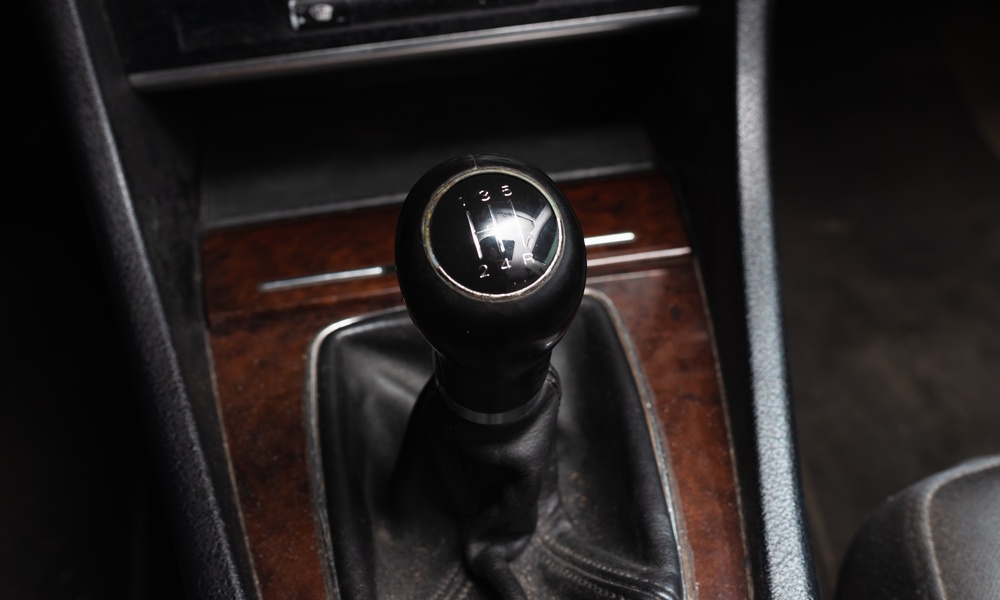
A hesitant gear change has a way of making an older vehicle seem closer to retirement than it really is. Yet many shift problems that drivers blame on age begin with a specific fault rather than the number on the odometer. Fluid condition, electronic controls, and worn supporting parts influence how smoothly a transmission responds. The real question is not how old the vehicle is, but what changed in the way it shifts.
Fluid Condition Changes Shift Behavior
Transmission fluid controls hydraulic pressure and reduces friction inside the unit. As the fluid degrades, heat and contamination weaken its ability to support clean engagement between gears. Paying close attention to selecting transmission fluids for optimal shifts is one practical way to protect shift quality because the wrong specification changes pressure response and clutch performance.
Low Fluid Creates Delayed Engagement
A transmission without enough fluid might hesitate before moving into drive or reverse. That delay can seem like a sign of an aging gearbox, yet a leak or incorrect service level could be the real cause. Continued operation under low-fluid conditions accelerates internal wear, so the source of the loss should be identified promptly.
Worn Mounts Can Mimic a Hard Shift
Engine and transmission mounts control movement when power transfers through the drivetrain. When a mount weakens, the vehicle might lurch or clunk during a gear change even though the transmission completes the shift correctly. The impact sounds mechanical, which makes internal damage appear more likely than it is.
Electrical Faults Change Shift Timing
Modern automatic transmissions depend on sensors and control modules to determine when each shift should occur. A failing speed sensor or damaged wiring can send inaccurate information, causing the transmission to hold a gear too long or shift at the wrong moment. These faults require proper diagnosis because replacing fluid will not correct an electrical command problem.
Driving Conditions Reveal Hidden Weaknesses
A transmission might behave normally during light city driving but hesitate on steep grades or during heavy acceleration. Extra load raises heat and pressure demands, exposing a weak solenoid or worn clutch pack that remained less noticeable at lower speeds. That pattern points toward a specific operating condition instead of age as a complete explanation.
Age belongs in the diagnosis, but it should never replace one. Treating every rough change as inevitable allows small faults to progress into more expensive damage. The most useful response to shift problems that drivers blame on age is to identify what changed, then match the repair to the cause.
