
Industrial water systems play an important role in factories and other large facilities. They provide the water that equipment and production processes need each day. When part of the system fails, the problem can affect more than one area and lead to costly delays.
A reliable water system needs regular care and close attention. Small leaks, pressure changes, worn valves, or damaged pipes can grow into much larger problems if crews miss the early signs. These smart ways to improve industrial water system reliability can reduce risks and help teams respond to problems before serious damage occurs.
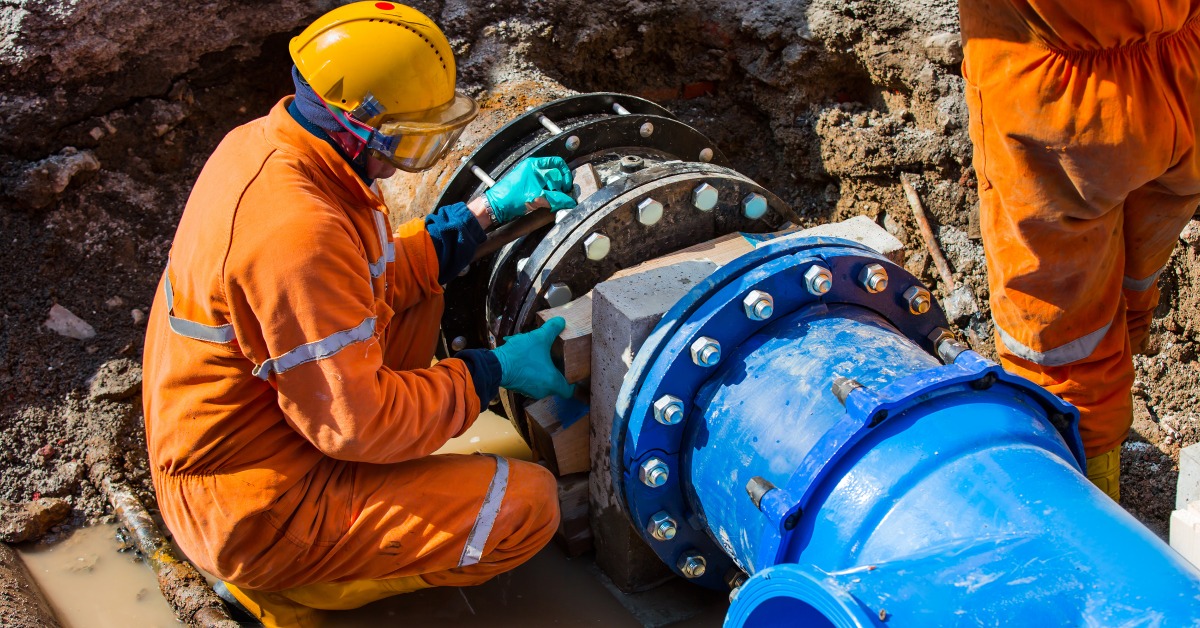
Create a Regular Maintenance Plan
Regular maintenance gives facility teams a chance to find small problems before they cause major system failures. Each system has different needs based on its age, water use, equipment, and daily workload. A maintenance plan should match those needs instead of using the same schedule for every piece of equipment.
Technicians should also keep clear records after each inspection or repair. These records make it easier to see when the same problem appears more than once. A pattern of small issues may point to a larger problem that needs more attention.
Keep an Eye on Water Pressure
Water pressure can tell facility teams a great deal about system health. A sudden drop may point to a leak or blockage somewhere inside the network. High pressure can also damage pipes, valves, seals, and other parts if the problem continues.
Teams should check pressure at several areas throughout the system. When one area shows a different reading, technicians can focus on that part of the network first. This approach saves time and makes it easier to find the source of a problem.
Choose Valves That Provide Better Control
Valves allow crews to control water access across different parts of an industrial system. Good valve placement can make repairs easier because crews can shut off one section instead of the entire network. Quality insertion valves for flow control and line isolation will help crews control water access and reduce unnecessary system interruptions during repairs.
The correct valve should match the pipe and needs of the facility. Crews also need easy access to each valve when maintenance or repairs become necessary. A dependable valve can give technicians greater control when an unexpected water system problem occurs.
Protect Pumps From Extra Stress
Pumps keep water moving through industrial systems and often work for many hours each day. A blocked pipe or pressure problem can force a pump to work harder than it should. Extra stress can damage parts inside the pump and shorten its useful service life.
Facility teams should pay attention to changes in pump sound, pressure, and output. Even a small change can signal that something inside the system needs attention. Early repairs can protect the pump and prevent a minor issue from affecting other equipment.
Pay Attention to Water Quality
Poor water quality can slowly damage pipes and equipment without obvious warning signs. Minerals and other materials can collect inside pipes and reduce the space available for water to pass through. Certain water conditions can also cause corrosion that weakens metal parts over time.
Regular water tests give facility teams a better idea of what happens inside the system. Test results can show changes before those conditions cause serious equipment damage. Teams can then choose a treatment method that matches the actual problem rather than rely on assumptions.
Check Pipes for Damage
Pipes can develop leaks, cracks, corrosion, and other problems as they age. Some damage remains hidden until water pressure causes the weak area to fail. Regular inspections give crews a better chance to catch these problems before a pipe breaks.
Past repair records can also show where future problems may occur. Several leaks in the same area may mean that a larger section of pipe has started to wear out. Replacing that section may provide a better solution than another small repair.
Keep Filters Clean and Effective
Filters help keep dirt and unwanted material out of industrial water systems. A dirty filter can restrict water flow and make other equipment work harder. Over time, that added stress can create pressure problems and reduce overall system reliability.
Facilities should check filters based on actual water conditions and system use. Some filters may need attention more often when water contains greater amounts of dirt or debris. Regular checks help crews replace or service filters before restrictions start to affect normal water flow.
Prepare for Water System Repairs
Water system repairs become harder when technicians do not know where pipes and equipment connect. Clear system records can show crews where to shut off water before they begin a repair. This information helps prevent a small problem from causing an unnecessary shutdown across the entire facility.
Crews should also understand how one repair may affect other areas. Water pressure or access can change when technicians close a valve or isolate part of the system. Proper preparation helps crews complete repairs with fewer surprises and restore normal water service faster.
Use System Data to Spot Problems
Water system data is one of the best ways to improve industrial water system reliability because it can reveal problems before crews see physical damage. Changes in water flow or pressure may show that a pipe or filter no longer performs as expected. Teams can compare new readings with past results to see whether system performance has changed.
One unusual reading does not always mean that equipment has failed. Teams should look at the conditions around each change before they decide what action to take. Good records help technicians understand whether a change comes from equipment trouble or normal production demands.
Plan Upgrades Before Problems Become Serious
Older water systems may struggle as production demands increase over time. Frequent repairs can show that certain pipes or equipment no longer meet the needs of the facility. An upgrade may provide a better answer than repeated repairs that only solve the problem for a short period.
Facility teams should base upgrades on actual system needs. New equipment should work well with existing pipes and remain easy for technicians to reach during future service. Smart improvements can make the entire system easier to maintain and more dependable.
Industrial water system reliability depends on regular attention rather than one major repair. Facility teams need to understand how their pipes and other equipment perform during normal operation. Small problems become much easier to manage when crews find them before they spread through the system.
A reliable system also needs to change as equipment ages and facility demands grow. Regular inspections and clear records help teams decide when repairs are enough and when larger improvements make more sense. With proper care and smart equipment choices, facilities can keep water systems dependable and reduce the risk of costly interruptions.
