
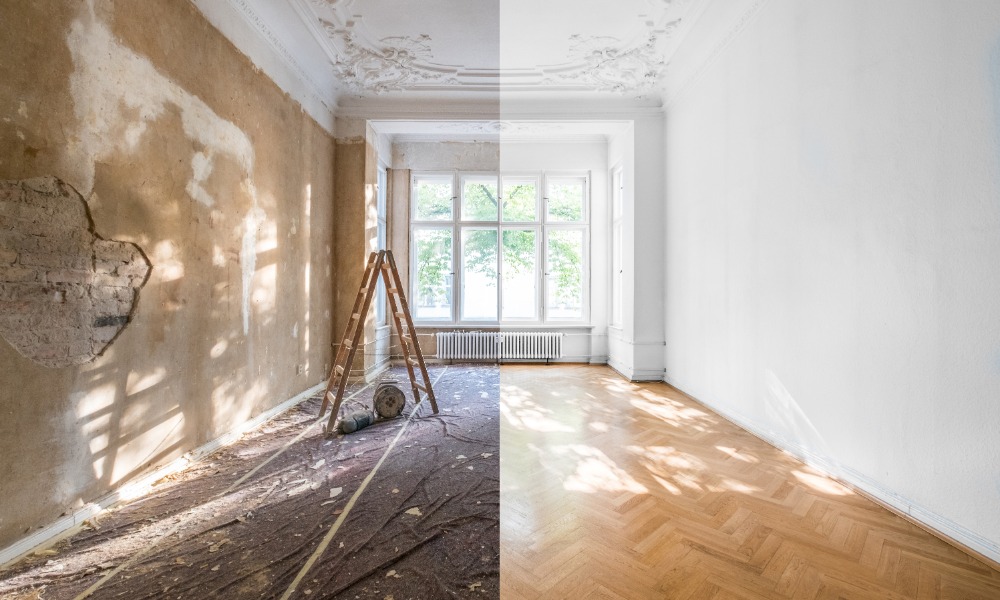
Older homes offer architectural character and established neighborhoods that many buyers find appealing. However, aging materials and outdated features can limit a property’s market value.
Homeowners who want to increase the value of an older home must identify improvements that strengthen functionality without compromising the home’s original appeal. Strategic renovations can help older properties compete with newer homes in today’s real estate market.
Rather than investing in expensive cosmetic changes, homeowners should prioritize upgrades that improve efficiency and address existing maintenance concerns. Understanding which improvements influence buyer expectations can help property owners maximize their renovation budgets.
Evaluate the Home’s Current Condition
Before starting renovations, homeowners should assess their property’s overall condition. Older homes often contain hidden problems that can affect resale value. A thorough inspection can reveal concerns that deserve attention before homeowners invest in visible improvements.
Professional home inspectors can evaluate structural components and identify potential safety hazards. Their findings help homeowners distinguish between necessary repairs and optional upgrades. Addressing significant problems early can prevent unexpected expenses during future renovations.
Homeowners should also research comparable properties in their neighborhoods. Local real estate trends provide valuable insight into which improvements buyers appreciate most. A renovation that increases value in one housing market might offer limited financial returns in another.
Improve Energy Efficiency Without Losing Character
Energy efficiency plays an increasingly important role in residential real estate. Older homes frequently struggle with heat loss because of aging insulation and inefficient building materials. These issues can increase utility expenses and discourage buyers who prioritize affordable homeownership.
Homeowners should focus on balancing style and heat performance in old homes when planning energy improvements. Modern insulation solutions can strengthen thermal performance without requiring extensive architectural changes. Carefully selected upgrades help preserve historic details while creating more comfortable living environments.
Window improvements also deserve consideration. Original windows may contribute significantly to a property’s appearance, particularly in historic neighborhoods. Homeowners can investigate weatherstripping and appropriate storm windows before choosing complete replacements.
Modernize the Kitchen Strategically
Kitchen renovations often influence how prospective buyers evaluate residential properties. An outdated kitchen can make an otherwise attractive home feel less functional. However, homeowners do not necessarily need a complete renovation to create meaningful improvements.
Replacing worn countertops can refresh the kitchen’s appearance while improving everyday usability. Updated cabinet hardware and modern lighting can also make older spaces feel more inviting. Homeowners should select finishes that complement the property’s architectural character.
Major kitchen renovations require careful financial planning. Expensive appliances and custom cabinetry may not deliver returns that justify their installation costs. Property owners should consider neighborhood expectations before committing to premium upgrades that exceed local market standards.
Address Structural and Maintenance Concerns
Structural reliability remains essential when determining a property’s long-term value. Buyers often hesitate when inspection reports reveal foundation concerns or significant roofing problems. These issues can complicate negotiations and reduce the number of interested purchasers.
Homeowners should prioritize repairs that protect the building’s overall condition. Addressing deterioration can help prevent additional damage and preserve the property’s marketability. Although major repairs may not create dramatic visual changes, they can remove obstacles that discourage buyers.
Important maintenance priorities include:
- Roofing condition: Repair damaged materials and investigate recurring leaks before moisture affects interior spaces.
- Foundation stability: Consult qualified professionals when cracks or uneven floors suggest structural movement.
- Electrical systems: Have licensed electricians evaluate aging wiring and electrical panels for safety concerns.
- Plumbing infrastructure: Replace deteriorating components that contribute to leaks or unreliable water pressure.
- Drainage performance: Direct water away from the foundation to reduce moisture-related damage.
Completing essential repairs can strengthen buyer confidence during property inspections. Homeowners should maintain detailed records of professional work because documentation can help demonstrate responsible property maintenance.
Enhance Curb Appeal Through Exterior Improvements
A home’s exterior creates the first impression that potential buyers carry into a showing. Neglected landscaping and deteriorating finishes can make a property appear less valuable. Improving curb appeal helps establish a positive impression before buyers enter the house.
Fresh exterior paint can transform an aging property when homeowners select colors that complement its original architecture. Repairing damaged siding can also improve appearance while protecting the structure from weather exposure. These improvements can make an older home look well-maintained.
Landscaping deserves attention because overgrown vegetation can obscure attractive architectural details. Homeowners can improve the entrance by maintaining walkways and trimming established plants. A welcoming exterior encourages buyers to consider the property’s broader potential.
Preserve Architectural Features That Add Value
Older homes often contain distinctive architectural elements that newer construction cannot easily replicate. Original hardwood floors and detailed woodwork can contribute to a property’s identity. Preserving these features may help attract buyers who appreciate historic craftsmanship.
Homeowners should evaluate existing materials before replacing them. Refinishing original hardwood flooring may offer a more appropriate solution than installing inexpensive alternatives. Restoring damaged trim can also preserve the visual consistency of older interiors.
However, preservation requires practical judgment. Some original materials may contain hazardous substances or show significant deterioration. Qualified restoration professionals can recommend appropriate solutions that protect the property’s character while addressing modern safety requirements.
Improve Interior Layout and Functionality
Many older homes feature floor plans that reflect previous generations’ living preferences. Smaller rooms and limited storage can create challenges for modern households. Improving functionality can help these properties appeal to a wider audience.
Homeowners should consider how existing spaces support everyday activities before making structural changes. Opening a doorway or improving circulation may create a more comfortable layout without requiring extensive demolition. Structural modifications should always involve qualified professionals.
Storage improvements can also make a meaningful difference. Built-in shelving and better closet organization can increase usable space without expanding the home’s footprint. Practical improvements often provide greater everyday value than dramatic renovations that sacrifice functional square footage.
Upgrade Essential Home Systems
Outdated mechanical systems can create concerns for buyers who want predictable ownership expenses. Aging heating equipment and inefficient cooling systems may require expensive replacements shortly after purchase. Modernizing these components can strengthen a property’s competitive position.
Homeowners should evaluate system performance before deciding whether replacement makes financial sense. Routine maintenance may extend the useful life of equipment that still operates efficiently. When replacement becomes necessary, homeowners should compare operating costs and installation requirements.
Electrical capacity also deserves attention as households adopt additional technology. Modern appliances and home office equipment can place greater demands on older electrical systems. Appropriate upgrades can improve convenience while supporting future ownership needs.
Plan Renovations Around Market Value
Successful home improvements require more than attractive finishes. Homeowners must consider renovation costs alongside realistic resale expectations. Spending heavily on upgrades that exceed neighborhood standards can reduce the financial benefits of a renovation.
Local real estate professionals can help identify features that influence buyer demand. Their market knowledge can guide homeowners toward improvements that match comparable properties. This approach helps prevent unnecessary spending on renovations that offer limited returns.
Using these methods to increase the value of an older home involve balancing preservation with practical modernization. Homeowners who address maintenance concerns and improve efficiency can strengthen their property’s appeal. A thoughtful renovation strategy protects the home’s original character while supporting its long-term market value.
