
Learn how heat, rain, and freezing temperatures damage asphalt lots and discover proven maintenance strategies to prevent potholes.
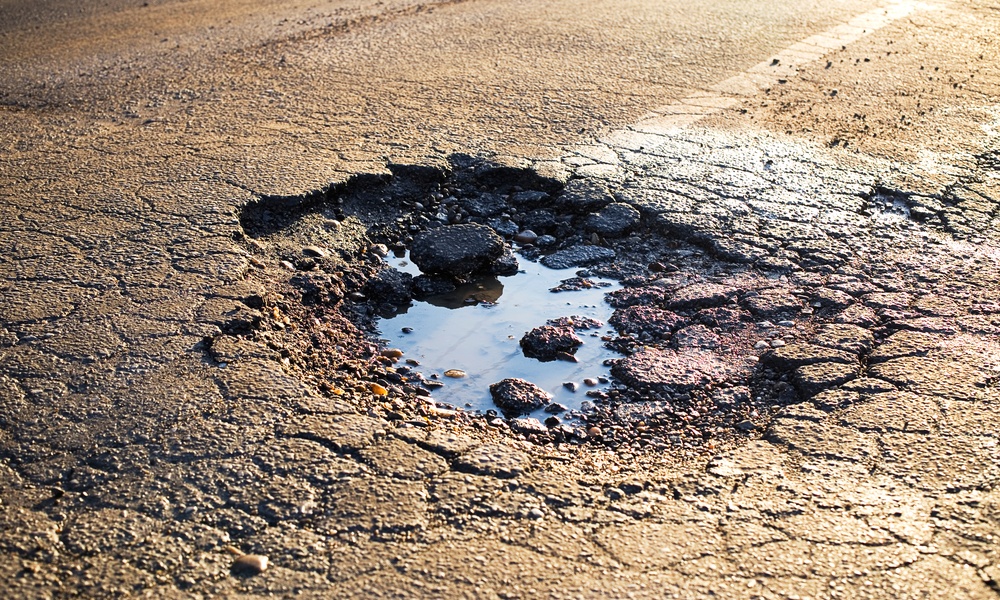
Large pothole with standing water shows weather damage to asphalt lot.
Your asphalt lot is constantly exposed to the elements, and over time, weather conditions can significantly impact its appearance, durability, and safety.
From scorching summer heat to freezing winter temperatures, each season brings its own challenges that can accelerate wear and tear.
Understanding the effects of weather on your asphalt lot is the first step toward protecting your investment and extending the life of your pavement.
Heat and Sun Exposure
Prolonged exposure to sunlight and high temperatures can cause asphalt to dry out and oxidize. As the oils within the asphalt evaporate, the surface becomes brittle and loses flexibility.
This often leads to fading, surface cracking, and a rough texture. In extreme heat, asphalt may soften slightly, making it more vulnerable to damage from heavy vehicles and sharp turns.
Without proper maintenance, these small issues can quickly grow into larger structural problems.
Rain and Moisture Damage
Water is one of asphalt’s biggest enemies. Rain can seep into small cracks and joints, weakening the base layers beneath the surface.
Over time, this moisture compromises the structural integrity of the lot, leading to potholes and surface depressions.
Poor drainage only worsens the problem, as standing water increases the likelihood of erosion and long-term damage.
Even in milder climates, consistent rainfall can silently undermine asphalt if left unaddressed.
Freezing Temperatures and Snow
Cold weather introduces a different set of risks. When water penetrates asphalt and freezes, it expands, forcing cracks to widen. This freeze-thaw cycle repeats throughout winter, rapidly accelerating deterioration.
Snow removal equipment can also scrape and damage the surface if the asphalt is already weakened.
De-icing chemicals, while necessary for safety, may further contribute to surface breakdown when used excessively.
Wind, Debris, and Environmental Factors
High winds can carry debris such as gravel, dirt, and branches onto your asphalt lot. These materials can clog drainage areas, trap moisture, and create abrasive wear as vehicles pass over them.
In certain regions, environmental factors like salt air or dust storms can also contribute to surface erosion and discoloration, affecting both function and curb appeal.
Asphalt Repair Methods
Addressing weather-related damage promptly is essential to preventing costly replacements. Crack sealing is commonly used to stop water from penetrating small openings before they expand.
For more extensive surface wear, patching can restore damaged sections and improve safety.
For patching, you must make sure you know how to do it correctly to properly fix the issues; if not, your asphalt will degrade despite the time, effort, and money you put into the repair.
In cases of widespread deterioration, resurfacing may be necessary to renew the lot and reinforce its structural strength.
Protecting Your Asphalt Investment
Weather-related damage is inevitable, but its impact doesn’t have to be severe. Regular inspections, timely repairs, and preventative maintenance can dramatically slow deterioration.
By understanding how different weather conditions affect your asphalt lot, you can take proactive steps to keep it looking professional, safe, and functional year-round.
Protect your property value with proactive asphalt maintenance. Follow The World Beast Infrastructure Desk for expert-backed property care insights and commercial maintenance strategies.
