
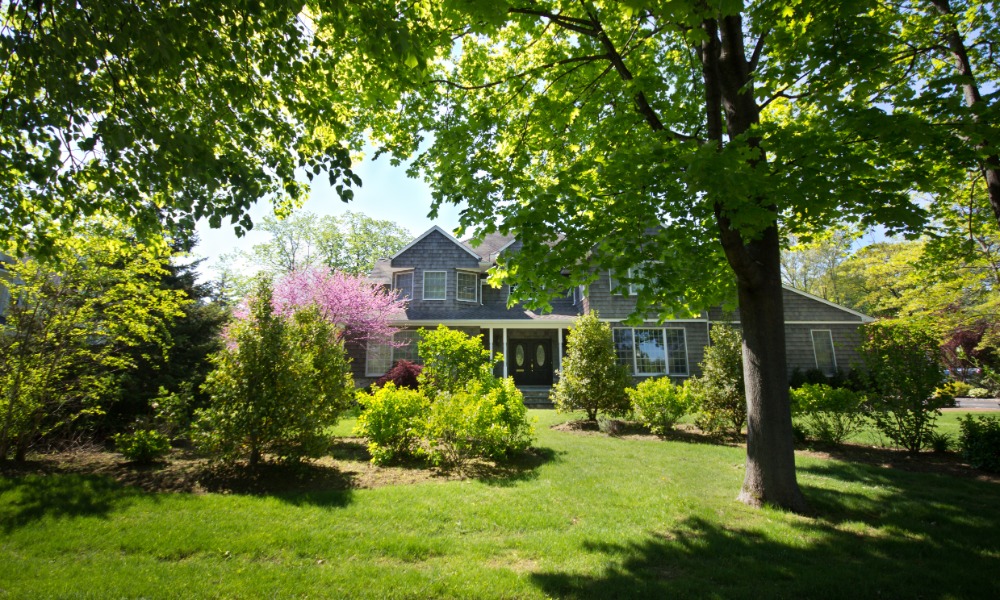
Mature trees contribute significantly to residential landscapes, offering shade, privacy, and natural beauty. However, homeowners often overlook the potential hazards that develop when branches grow too close to buildings, roots interfere with infrastructure, or declining trees lose their structural stability. Understanding the hidden dangers of overgrown trees near homes helps property owners recognize developing problems before they cause extensive damage. Responsible tree management protects household safety, preserves property value, and supports the long-term health of surrounding vegetation.
Overhanging Branches Threaten Roofs and Structures
Large branches extending over rooftops create several potential hazards, particularly during periods of high wind or heavy precipitation. Even healthy limbs can break under excessive mechanical stress, potentially damaging shingles, gutters, skylights, and other roofing components. Repeated contact between smaller branches and roofing materials can also accelerate surface wear over time. Homeowners should pay particular attention to limbs that extend directly above bedrooms, garages, and frequently occupied outdoor areas.
Overhanging branches can create additional problems without falling or breaking. Dense foliage may restrict sunlight and airflow, allowing moisture to remain on roofing surfaces for extended periods. Leaves and small twigs can accumulate in gutters, increasing the likelihood of drainage problems during heavy rainfall. Regular professional assessments help homeowners identify vulnerable branches and determine whether selective pruning can reduce these risks.
Tree Roots Can Interfere With Underground Infrastructure
A tree’s root system often extends considerably beyond the visible canopy, making underground conflicts difficult to identify. Roots naturally grow toward favorable conditions, including areas with accessible moisture, oxygen, and nutrients. Existing cracks or loose joints in underground pipes can attract root growth, potentially worsening drainage and plumbing problems. In some circumstances, expanding roots may also lift sidewalks, disturb paving, or contribute to movement in vulnerable landscape structures.
The relationship between tree roots and building foundations requires careful evaluation rather than automatic assumptions. Healthy roots generally don’t penetrate intact concrete foundations, but they can exploit existing weaknesses or influence soil moisture conditions. Properties with expansive clay soils may experience additional movement as nearby vegetation changes the surrounding moisture balance. Consulting a qualified arborist and an appropriate structural professional can determine whether tree growth contributes to an observed problem.
Poor Tree Maintenance Can Encourage Disease and Decay
Overcrowded branches and neglected structural defects can complicate the early detection of tree health problems. Fungal infections, insect activity, and internal decay may progress while the outer canopy continues to appear relatively healthy. Certain diseases can weaken branches or trunks, increasing the likelihood of structural failure as deterioration advances. Homeowners who focus exclusively on leaf color may overlook more significant warning signs near major branch unions or the base of the trunk.
Routine inspections allow professionals to identify abnormalities before they become more difficult to manage. An arborist may examine fungal fruiting bodies, cavities, damaged bark, abnormal growth patterns, and signs of insect infestation. Appropriate pruning can remove certain compromised branches, although it cannot reverse every disease or structural defect. Early diagnosis helps property owners determine whether treatment, monitoring, structural support, or removal offers the most responsible solution.
Overgrown Trees Can Affect Home Security and Accessibility
Tree maintenance also influences how safely residents and visitors move around a property. Low-hanging branches can obstruct walkways, interfere with driveway visibility, or restrict access to important exterior features. Dense vegetation near windows and entrances may reduce sightlines and make routine property inspections more difficult. These conditions become particularly concerning when they interfere with emergency access or create obstacles along frequently traveled paths.
Homeowners should evaluate trees in relation to everyday property use rather than considering appearance alone. Branches near exterior lighting fixtures may reduce illumination, while vegetation surrounding security cameras can interfere with visibility. Overgrowth around utility equipment, gates, and access routes may also complicate maintenance or emergency response. Strategic trimming can preserve accessibility while retaining the environmental and aesthetic benefits of established trees.
Seasonal Pruning Plays an Important Preventive Role
Pruning schedules can influence how effectively trees recover from maintenance and develop healthy branch structures. For many deciduous species, late winter provides an opportunity to evaluate branch architecture before spring growth begins. Understanding how dormant pruning protects structural integrity can help homeowners appreciate the value of removing defective limbs and improving branch structure during appropriate seasonal conditions. However, pruning recommendations vary according to species, climate, disease pressures, and the specific reason for intervention.
Dormant-season maintenance offers several potential advantages when professionals apply suitable techniques. Without dense foliage, arborists can often identify crossing branches, weak attachments, and structural imbalances more easily. Selective cuts may also reduce unnecessary interference with active seasonal growth, although tree physiology and local conditions influence the response. Some flowering species and disease-sensitive trees require different schedules, making professional guidance important.
Warning Signs That Deserve Professional Attention
Recognizing early warning signs can help homeowners prevent minor concerns from developing into serious property hazards. Although not every unusual feature indicates imminent failure, certain conditions warrant timely professional evaluation. Trees that lean suddenly, develop visible cracks, or lose major limbs may require urgent attention, particularly when they stand near occupied structures. Property owners should avoid approaching unstable trees or attempting to remove large, damaged branches themselves.
Several warning signs deserve particular attention:
- New trunk cracks: Deep splits or rapidly developing fractures may indicate structural weakness.
- Fungal growth: Mushrooms or fungal structures near the trunk or root flare can sometimes signal internal decay.
- Sudden leaning: A noticeable change in trunk position may suggest root instability or structural movement.
- Large dead branches: Extensive deadwood can increase the risk of falling limbs.
- Exposed or disturbed roots: Soil lifting, cracking, or root plate movement may indicate instability.
- Weak branch unions: Included bark and poorly attached competing stems can create potential failure points.
Professional inspections become especially important after severe storms or when homeowners notice rapid changes in a tree’s appearance. An arborist can assess the overall condition rather than relying on one isolated symptom. Depending on the findings, recommendations may include targeted pruning, ongoing monitoring, additional testing, or removal. This approach supports proportionate decisions that address actual risks without unnecessarily sacrificing healthy trees.
Responsible Tree Care Reduces Avoidable Risks
Healthy, mature trees deserve thoughtful management because they provide environmental and practical benefits that take years to replace. Nevertheless, overlooking structural defects, excessive growth, and declining branches can expose homes and residents to unnecessary hazards. Recognizing the hidden risks of overgrown trees near residential properties allows homeowners to balance landscape preservation with responsible safety measures. Professional assessment, appropriate pruning, and consistent observation provide a stronger foundation for long-term tree management.

 The World Beast

