
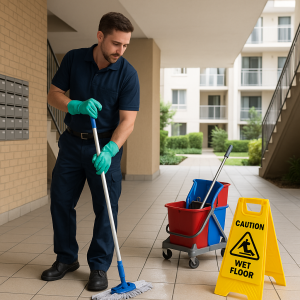
In modern city living, shared spaces are more than just walkways and foyers—they’re an extension of the home. For apartment complexes, townhouses, and multi-use buildings, the cleanliness and upkeep of these communal areas can quietly influence everything from real estate values to resident morale. Yet, many property managers and owners underestimate how vital consistent, professional strata cleaning is to the long-term success and harmony of a strata-managed property.
This article explores the less-visible consequences of neglecting strata cleaning and outlines the benefits of taking a proactive, professional approach.
What Is Strata Cleaning and Why Does It Matter?
Strata cleaning refers to the regular cleaning and maintenance of shared property spaces managed under a strata title. This includes areas such as entranceways, stairwells, lifts, communal bin zones, car parks, hallways, and even garden surrounds. Unlike general cleaning, strata cleaning often comes with expectations for compliance, safety, and schedule consistency across multi-occupancy buildings.
In a property landscape where residents pay strata levies and expect high standards in return, failing to uphold basic cleanliness standards can quickly lead to tension within a community—and costs for the owners’ corporation.
For a broader look at shared property pitfalls, this article on real estate investment habits explores how these hidden factors can influence decision-making.
Property Value and the Cleanliness Equation
When potential buyers or tenants assess a property, first impressions are made long before they enter an individual unit. Scuffed lobby floors, overflowing bins, or cobweb-filled stairwells can all silently devalue the property’s perceived worth. Even more concerning is that visible signs of poor cleaning are often just the tip of the iceberg.
Neglected common areas may also lead to:
- Premature wear and tear on flooring, walls, and fixtures
- Blocked drainage or pest infestations from unclean bin areas
- Moisture buildup from untreated spills or leaks, leading to mould
- Lapsed safety compliance (e.g. slippery floors, dirty exit signage)
Over time, these issues not only drive down property values but may also require expensive rectifications. Insurance premiums can increase when risk factors like mould or pests are documented, especially if there’s evidence of prolonged neglect. That’s why working with professionals such as CJM Cleaning for trusted strata cleaning may support long-term asset protection and safeguard resident satisfaction at the same time.
Cleanliness and Community Satisfaction Go Hand in Hand
Clean common areas aren’t just an aesthetic benefit—they directly affect the quality of life for residents. Dirty or neglected spaces can trigger friction between owners and tenants, lead to formal complaints, and ultimately disrupt the sense of community.
Some of the more subtle resident impacts include:
- Unhygienic stairwells and lifts deterring residents from using shared facilities
- Allergies triggered by dust build-up or poorly maintained carpeted areas
- Discomfort or embarrassment when inviting guests into neglected spaces
- Frustration from paying strata fees without seeing value delivered
These outcomes can reduce tenant retention, increase vacancy rates, and ultimately impact the building’s reputation. In densely populated areas, where competition for tenants is fierce, such issues can place a building at a serious disadvantage. As covered in urban lifestyle pitfalls, overlooking shared space quality is one of the most common mistakes made in multi-dwelling property management.
What Happens When Strata Cleaning Isn’t Prioritized?
Let’s consider a hypothetical building that scaled back its cleaning schedule from weekly to monthly to save money. Within weeks:
- Foot traffic brings in dirt and debris that accumulates on entry tiles
- Rubbish skips begin to overflow, attracting pests
- Windows go untouched, making the building look poorly maintained
- Residents begin to raise complaints in meetings or group chats
What starts as a cost-saving move may end in higher expenses through emergency pest control, window restoration, or insurance disputes due to falls or hazards.
In NSW, strata committees also have a responsibility to maintain safety and liveability under the Strata Schemes Management Act 2015. While the law does not prescribe specific cleaning schedules, failure to maintain common property may result in legal disputes or administrative penalties.
Proactive Steps for Strata Committees
Avoiding these issues doesn’t require extreme changes—just consistency and the right partnerships. Here’s how strata committees can maintain high standards without overextending budgets:
- Implement a formal cleaning schedule: Weekly or fortnightly depending on traffic levels and building type.
- Focus on high-traffic zones: Prioritise entrances, bin areas, and shared facilities.
- Use a documented checklist: Ensures consistency and helps hold service providers accountable.
- Choose experienced strata cleaners: General cleaners may not understand the expectations or compliance obligations in multi-dwelling settings.
Professional cleaners often provide reporting, before/after photos, and hazard spotting as part of their service. This not only keeps the property clean but also adds a layer of risk management.
The Case for Professional Strata Cleaning Services
With rising expectations from residents and tighter compliance regulations, relying on basic cleaning solutions may no longer be enough. Reputable strata cleaning providers like CJM Cleaning for trusted strata cleaning offer:
- Transparent service agreements with clear inclusions
- Fully insured and trained staff
- Flexible scheduling for large and small strata schemes
- Safety-aware cleaning methods for public areas
A well-maintained building does more than present well—it promotes harmony, safety, and financial security for all stakeholders.
Final Thoughts
Strata cleaning isn’t just a line item on a maintenance budget—it’s an investment in community, compliance, and property longevity. Whether you’re a strata manager, committee member, or investor, recognising the hidden impacts of neglect is the first step toward making better operational decisions. In an age where shared living is on the rise, proactive strata cleaning may be what sets your property apart for all the right reasons.
