
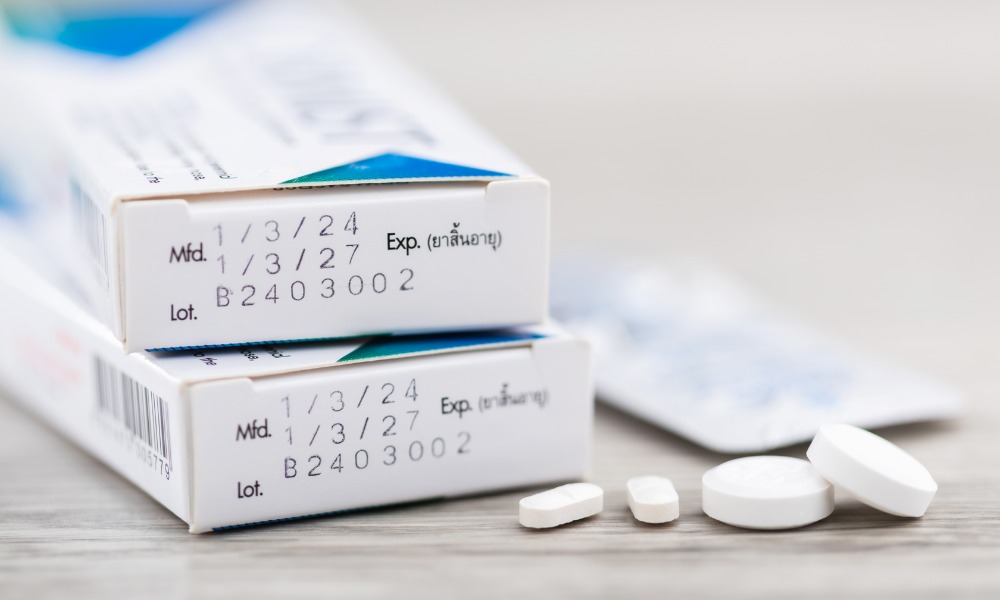
Every medication carries an expiration date, but the science behind that date involves far more than counting months on a calendar. Pharmaceutical manufacturers must understand how active ingredients change over time, how environmental conditions affect formulations, and whether medications maintain their intended performance throughout storage. Understanding the hidden science behind pharmaceutical shelf life reveals how researchers combine chemistry, analytical testing, and environmental monitoring to protect patients and maintain product quality.
Shelf life reflects the period during which a pharmaceutical product should remain within established quality specifications under its labeled storage conditions. Scientists investigate chemical degradation, physical instability, and packaging interactions before manufacturers establish expiration dates. These studies can ensure that medications deliver consistent quality from production through their intended period of use.
What Pharmaceutical Shelf Life Actually Means
Pharmaceutical shelf life represents more than the time a medication remains physically intact. It describes how long a product can maintain acceptable levels of potency, purity, and other critical quality attributes under specified storage conditions. Manufacturers establish these periods through scientific evidence rather than assumptions about how long particular ingredients might last.
A medication may appear unchanged while its chemical composition gradually shifts. Certain active ingredients lose potency as molecules break down, while others produce degradation compounds that require careful evaluation. Stability studies identify these changes and help manufacturers determine when a formulation might no longer meet its specifications.
The Chemistry Behind Medication Degradation
Chemical reactions drive many changes that occur as pharmaceutical products age. Hydrolysis, oxidation, and photodegradation can alter active pharmaceutical ingredients and affect their stability. Researchers examine these reactions to understand which environmental conditions accelerate deterioration and which formulation strategies can prevent it.
Hydrolysis occurs when water participates in chemical reactions that break molecular bonds. Oxidation involves reactions that can alter susceptible compounds, sometimes through exposure to oxygen or reactive substances. Photodegradation occurs when light triggers chemical changes, making protective packaging particularly important for photosensitive medications.
How Temperature and Humidity Influence Stability
Temperature significantly affects the rate of many chemical reactions. Elevated temperatures can accelerate degradation, while excessive cold may create separate problems for products, such as emulsions or certain biological medications. Researchers evaluate temperature sensitivity to establish appropriate storage conditions and distribution requirements.
Humidity presents another challenge, particularly for solid medications that absorb moisture from their surroundings. Water exposure can affect tablet hardness, dissolution behavior, and chemical stability. Manufacturers therefore assess moisture sensitivity when selecting packaging materials and determining storage recommendations.
Why Stability Testing Requires Multiple Approaches
No single laboratory measurement can capture every potential change in pharmaceutical formulation. Researchers combine chemical analysis, physical characterization, and performance testing to develop a comprehensive understanding of product stability. Each technique addresses different risks that could affect medication quality.
Manufacturers often follow best practices for pharmaceutical stability testing by designing studies around the formulation’s characteristics, relevant regulatory expectations, and scientifically justified analytical methods. Researchers evaluate samples at planned intervals and compare results against established acceptance criteria. This structured approach can identify emerging stability concerns before they compromise product specifications.
Common stability assessments include:
- Assay testing: Measures active ingredient content and tracks potency changes.
- Impurity analysis: Identifies and quantifies degradation products that develop over time.
- Dissolution testing: Evaluates how solid oral medications release their active ingredients.
- Physical characterization: Examines changes in appearance, particle properties, or formulation structure.
- Microbiological testing: Assesses relevant microbial quality attributes and preservative effectiveness where appropriate.
Together, these assessments provide evidence that supports expiration dates and storage instructions. Scientists select specific tests according to the product’s formulation, dosage form, and known stability risks.
The Role of Accelerated Stability Studies
Waiting several years to observe every possible degradation process would significantly delay pharmaceutical development. Accelerated stability studies help researchers investigate how products respond to more demanding environmental conditions over shorter periods. These studies often expose samples to elevated temperatures and humidity levels under established testing protocols.
Researchers use accelerated results to identify degradation pathways and evaluate formulation weaknesses. However, accelerated testing does not automatically establish a medication’s complete shelf life because degradation behavior can change under different conditions. Long-term stability data remains essential for confirming appropriate expiration periods.
How Packaging Protects Pharmaceutical Quality
Packaging serves as an important component of pharmaceutical stability rather than merely a container for transportation. Bottles, blister packs, closures, and protective barriers can control exposure to environmental factors. Manufacturers select packaging systems according to the specific vulnerabilities of each medication.
For example, moisture-sensitive tablets may require high-barrier blister materials or suitable desiccants. Light-sensitive products may benefit from protective containers that limit exposure to damaging wavelengths. Packaging compatibility studies also examine whether container materials interact with the formulation or introduce unwanted substances.
Understanding Stability-Indicating Analytical Methods
Pharmaceutical scientists need analytical methods that distinguish intact active ingredients from their degradation products. Stability-indicating methods support this objective by measuring relevant compounds without allowing interference to obscure meaningful changes. High-performance liquid chromatography frequently plays an important role in these investigations.
Researchers may conduct forced degradation studies to understand how formulation responds to chemical or environmental stress. These experiments can reveal potential degradation pathways and support analytical method development. Scientists then validate methods according to applicable requirements to demonstrate that they perform reliably for their intended purposes.
Why Shelf Life Matters Beyond the Laboratory
Pharmaceutical stability affects manufacturers, healthcare providers, distributors, and patients. Reliable expiration dating supports inventory planning and helps healthcare organizations manage medication supplies responsibly. It also provides a scientific foundation for labeled storage instructions.
Distribution conditions introduce additional considerations, particularly when products travel across different climates. Temperature excursions, improper storage, and damaged packaging can affect quality before the labeled expiration date. Supply chain monitoring helps organizations identify circumstances that may require further product evaluation.
The Future of Pharmaceutical Stability Research
Advances in analytical technology continue to improve how scientists investigate pharmaceutical degradation. More sensitive instruments can detect subtle chemical changes, while improved data analysis helps researchers recognize stability trends. These capabilities may support more efficient formulation development and stronger quality assessments.
Ultimately, understanding pharmaceutical shelf life through scientific testing highlights the importance of rigorous research throughout a medication’s lifecycle. Expiration dates reflect coordinated efforts involving chemistry, formulation design, packaging evaluation, and ongoing quality monitoring. As pharmaceutical technologies evolve, stability science will remain essential to protecting medication quality and supporting patient safety.

 The World Beast

