
A secure commercial property starts long before someone reaches the front door. Parking lots, delivery areas, walkways, and exterior entrances all deserve attention, but these spaces can become vulnerable when businesses focus most of their resources indoors.
These tips for improving security outside your commercial building offer simple ways to address vulnerabilities and create a safer environment. Every property has unique risks, so the best improvements depend on its layout, daily traffic, and operational needs. Use the guide below to start maximizing security ASAP.
A Thorough Exterior Security Assessment
Before you invest in new equipment or change your security procedures, take a close look at your property’s current conditions. Walk the perimeter during business hours and after dark to see how visibility, traffic, and access differ throughout the day. Pay particular attention to areas that receive little supervision, such as rear entrances, service corridors, and isolated sections of the parking lot.
A rear entrance beside a dumpster, for example, may provide an easy access point if employees regularly leave the door unlocked. Small oversights like this can expose a business to unnecessary risks. Your assessment should cover several areas:
- Exterior doors, gates, and other access points
- Parking lots and pedestrian routes
- Delivery docks and service entrances
- Exterior lights and camera coverage
- Fences, landscaping, and property boundaries
- Areas with limited visibility from occupied spaces
Document any vulnerabilities you discover and prioritize improvements based on the potential consequences. A broken gate near expensive equipment deserves more immediate attention than a minor visibility issue along a rarely used walkway. This approach helps you allocate resources toward areas that need attention first.
Improve Exterior Lighting Across Your Property
Poor exterior visibility can create opportunities for theft, vandalism, and unauthorized access. Dark corners also present hazards for employees who arrive early or leave after sunset. Effective exterior illumination should cover entrances, sidewalks, parking spaces, and service areas to create a safer environment throughout the property.
Choose Lights Based on Each Area’s Purpose
Not every exterior space requires the same type of fixture. Bright overhead lights may suit a large parking lot, but smaller wall-mounted fixtures could work better near employee entrances. Consider these options as you develop your exterior illumination plan:
- LED fixtures for dependable illumination and lower energy consumption
- Motion-activated lights for low-traffic areas
- Wall-mounted lights near doors and access panels
- Pole-mounted fixtures for expansive parking areas
- Backup illumination for critical exterior routes
Avoid excessive brightness that creates glare or deep shadows. A balanced layout provides better visibility and a more comfortable experience for visitors. Proper fixture placement can also help surveillance cameras capture clearer footage after dark.
Establish Clear Access Control Procedures
Commercial properties can receive dozens or hundreds of visitors each day. Employees, contractors, delivery drivers, and customers may all require different levels of access. Without clear procedures, unauthorized individuals can blend into normal activity and enter areas intended for approved personnel.
Establish designated entrances for different visitor groups and communicate those expectations through visible signs and employee instructions. For example, a warehouse might direct delivery trucks toward a controlled service gate and reserve the front entrance for office personnel. This separation reduces unnecessary traffic near restricted areas and creates a more organized arrival process.
Access cards, electronic gates, intercom systems, and visitor credentials can also support a structured approach. Review access permissions whenever employees change roles or contractors complete their assignments. Regular updates prevent outdated credentials from becoming a security concern.
Use Security Cameras Strategically
Surveillance cameras provide valuable visibility across exterior spaces, particularly when staff can’t observe every area directly. Their effectiveness depends on thoughtful placement, reliable operation, and clear footage. Position cameras near vehicle entrances, exterior doors, loading docks, and other vulnerable locations.
Consider overlapping views in areas where parked vehicles, columns, or equipment might obstruct visibility. A camera positioned above a delivery entrance, for instance, may capture vehicle arrivals but miss activity beside the dock. Multiple viewpoints can provide a more complete picture of events across the property.
Maintain Your Surveillance Equipment
Sticking to regular upkeep habits is one of the essential tips for improving security outside your commercial building. A camera that’s dirty, disconnected, or pointed toward the wrong area offers limited protection. Establish a maintenance schedule that includes lens inspections, footage reviews, and system tests. Review your video retention policies and restrict access to authorized personnel.
Visible notices can also inform visitors about surveillance practices and help your business meet applicable privacy requirements. Remember that cameras primarily support observation and documentation rather than physical intervention. They work best alongside procedures that allow employees or security personnel to respond to suspicious activity.
Strengthen Your Property’s Physical Boundaries
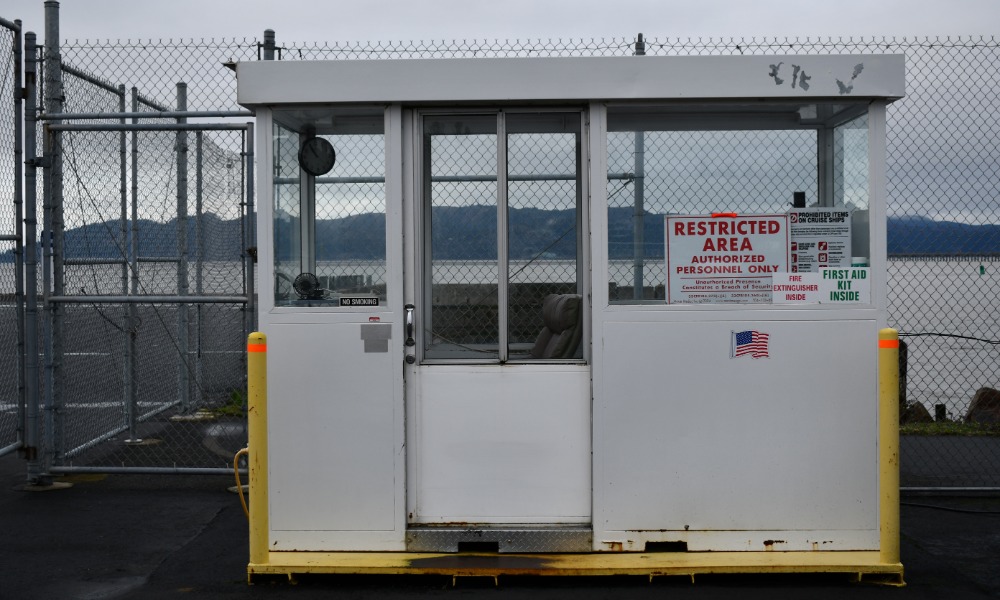
You can easily find custom security booths and other physical boundaries to secure your property. Physical barriers help establish where public access ends and restricted property begins. They also direct pedestrians and vehicles toward appropriate entrances. Fences, gates, bollards, and reinforced doors can serve different purposes based on the layout of your facility.
A commercial warehouse may benefit from perimeter fencing, but a busy retail property might prioritize protective bollards near pedestrian entrances. Choose barriers that match actual risks rather than installing obstacles everywhere. Excessive restrictions can interfere with deliveries, accessibility, and emergency access.
Inspect these features regularly for damage, corrosion, loose hardware, and malfunctioning locks. Even a sturdy fence loses much of its value when an adjacent gate no longer closes properly. Routine maintenance helps preserve the protection these barriers were designed to provide.
Give Parking Lots and Garages Extra Attention
Parking areas deserve their own security strategy because employees and customers may spend time there beyond normal business hours. Large lots also contain parked vehicles, isolated corners, and numerous routes toward the building. Start with clear traffic patterns and visible pedestrian pathways to create a more predictable environment.
Mark entrances and exits, maintain pavement markings, and remove abandoned objects that obstruct sightlines. Consider designated employee parking near well-lit entrances, particularly for staff who work late shifts. Emergency contact information should also be visible in accessible locations throughout the property.
Create a Consistent Security Presence
Technology can detect activity, but a visible human presence adds another layer of awareness. Security personnel can verify visitor credentials, observe unusual behavior, and assist with incidents that require immediate attention. The appropriate level of coverage depends on your property’s size, operating hours, and exposure to potential threats.
Some facilities benefit from scheduled patrols, but others may require personnel stationed at a primary entrance. A dedicated security booth can provide a sheltered location for guards near vehicle gates or other controlled access points. This arrangement supports visitor coordination and helps personnel maintain a consistent presence throughout their shifts. For properties with frequent deliveries or substantial vehicle traffic, a defined checkpoint can also reduce confusion. Security personnel can then monitor arrivals and direct visitors toward approved destinations.
Exterior security works best when multiple precautions support one another. Begin with the vulnerabilities that present the greatest concern, then develop a practical schedule for additional improvements. Regular assessments will help your business adapt as traffic patterns, staffing, and property needs evolve. Use the guide above to support your exterior security goals and helps your team maintain a professional presence on-site.

 The World Beast

