
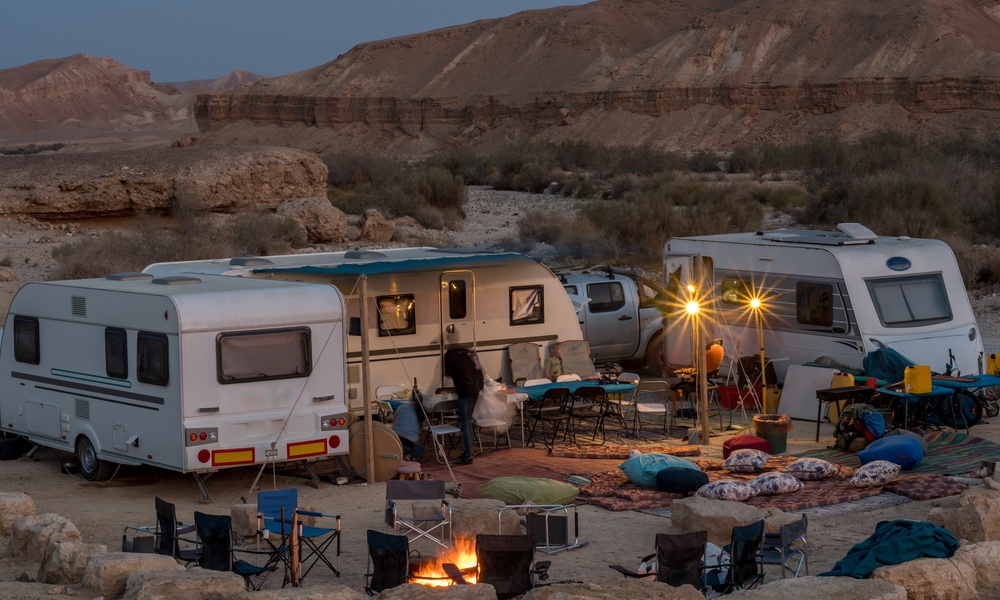
An RV vacation promises freedom, flexibility, and the chance to enjoy destinations at your own pace. Yet costs can rise quickly when travelers overlook small purchases, inefficient routes, and campsite fees. Fuel, food, entertainment, and unexpected repairs can turn an affordable getaway into a financial headache. Fortunately, saving money does not require sacrificing the experiences that make RV travel appealing. The most effective ways to reduce unnecessary expenses during RV vacations begin with thoughtful preparation and continue through the everyday choices made on the road.
Plan a Route That Limits Extra Driving
A scenic detour can be worthwhile, but repeatedly backtracking between attractions burns fuel and wastes valuable vacation time. Before departing, group destinations geographically and compare driving distances between overnight stops. Allow enough time at each location to avoid rushing from one campsite to another. Longer stays can also reduce setup fatigue and sometimes qualify for lower nightly rates.
Check road conditions, bridge restrictions, and vehicle-friendly routes before committing to a shortcut. A few additional highway miles may cost less than navigating steep grades, heavy traffic, or roads unsuitable for a large rig. Keep a flexible itinerary so changing weather does not force an expensive last-minute reservation.
Compare Campgrounds Beyond the Nightly Rate
The cheapest advertised campsite is not always the best value. Some parks charge separately for electricity, showers, additional vehicles, or reservation changes. Others include amenities that replace paid activities, such as swimming areas, trails, and family recreation spaces. Compare the total cost of each stay rather than focusing on the base price alone.
Location matters as well—a campground far from planned attractions may lead to substantial daily driving. Public campgrounds and less crowded destinations can offer savings, although availability, hookup access, and length-of-stay rules vary. Booking ahead during popular travel periods helps avoid being forced into premium sites.
Keep Food Spending Under Control
Restaurants and convenience-store stops are easy expenses to underestimate, especially when everyone is hungry after a long drive. Build a loose meal plan before leaving and stock the RV with ingredients that can serve multiple purposes. A simple breakfast, packed lunch, and a few prepared dinners can dramatically reduce the number of meals purchased away from camp.
Use grocery stores near larger towns rather than relying entirely on small tourist-area markets. Store perishables carefully, monitor refrigerator temperatures, and plan meals around ingredients that need to be used first. Bringing refillable water bottles, coffee supplies, and road snacks also limits impulse purchases without making the trip feel restrictive.
Manage Fuel Use Through Driving Habits
Fuel is often one of the largest variable expenses on an RV trip. Maintaining a steady, appropriate speed, accelerating gradually, and avoiding unnecessary idling can help control consumption. Proper tire inflation and timely engine maintenance support efficiency and safety, although the correct pressures should always follow the vehicle and tire specifications.
Remove unnecessary cargo before departure and distribute the remaining load according to the RV manufacturer’s guidance. Extra weight can affect handling and fuel use. When possible, combine grocery shopping, sightseeing, and supply runs into one outing rather than making several separate trips. These habits save time as well as money.
Reduce Power and Climate-Control Costs
Heating, cooling, and electrical demands deserve attention, particularly when campsites meter electricity or when travelers rely on batteries and generators. Shade, window coverings, weather seals, and sensible thermostat settings can help keep the interior comfortable. Ventilation can also reduce the need to run cooling equipment constantly when outdoor conditions allow.
Travelers looking for practical RV energy-efficiency improvements can review options such as insulation, airflow management, and equipment maintenance before investing in upgrades. Choose improvements based on the RV’s condition and how often it is used. A modest maintenance task may provide more immediate value than an expensive accessory that rarely serves a purpose.
Prevent Repairs With a Pretrip Inspection
Small mechanical problems become costly when they interrupt travel far from home. Before departure, inspect tires, lights, batteries, hoses, fluid levels, and visible seals. Test the water pump, appliances, and climate-control system while there is still time to arrange service locally. Follow the owner’s manual for maintenance intervals and have safety-critical concerns assessed by a qualified technician.
Carry basic supplies appropriate to the vehicle, including replacement fuses, a tire-pressure gauge, and commonly needed tools. Preparation does not eliminate every breakdown, but it can reduce avoidable service calls and protect the vacation schedule. Maintaining a modest emergency fund is equally important because some repairs cannot be predicted.
Choose Activities With Better Overall Value
Memorable travel days do not always require costly admission tickets. State parks, scenic overlooks, public beaches, walking trails, and community events can fill an itinerary with meaningful experiences. Research free-entry days and local visitor information before arriving. If several paid attractions are priorities, compare individual ticket prices with any legitimate multi-attraction passes.
Avoid booking every hour of the trip. A packed schedule encourages rushed purchases, extra driving, and meals eaten out for convenience. Leaving room for spontaneous exploration can make the vacation feel more relaxing while reducing pressure to spend simply because an activity was placed on the calendar.
Track Spending Without Obsessing Over It
A realistic travel budget should separate predictable costs, such as campsite reservations and fuel, from flexible categories such as dining and entertainment. Estimate these amounts before leaving, then check spending every few days. A brief review can reveal patterns early enough to adjust the rest of the trip without unpleasant surprises.
Build a cushion for changing fuel prices, weather-related delays, and minor repairs. Resist the temptation to purchase equipment for every hypothetical situation; borrowing, renting, or waiting until a genuine need appears may be smarter. The goal is to make spending intentional, not to remove every comfort from the experience.
Make Savings Part of the Travel Routine
Successful strategies for cutting avoidable costs on RV vacations are usually ordinary habits practiced consistently. Choosing sensible routes, comparing campground fees, cooking more meals, and maintaining equipment all protect the travel budget. None of these choices requires giving up favorite destinations or memorable activities.
Review what worked after each trip and adjust the next itinerary accordingly. Over time, better planning makes expenses more predictable and leaves more room in the budget for the experiences that matter most. A financially manageable RV vacation is often the one that balances preparation with the freedom to enjoy the journey.
