
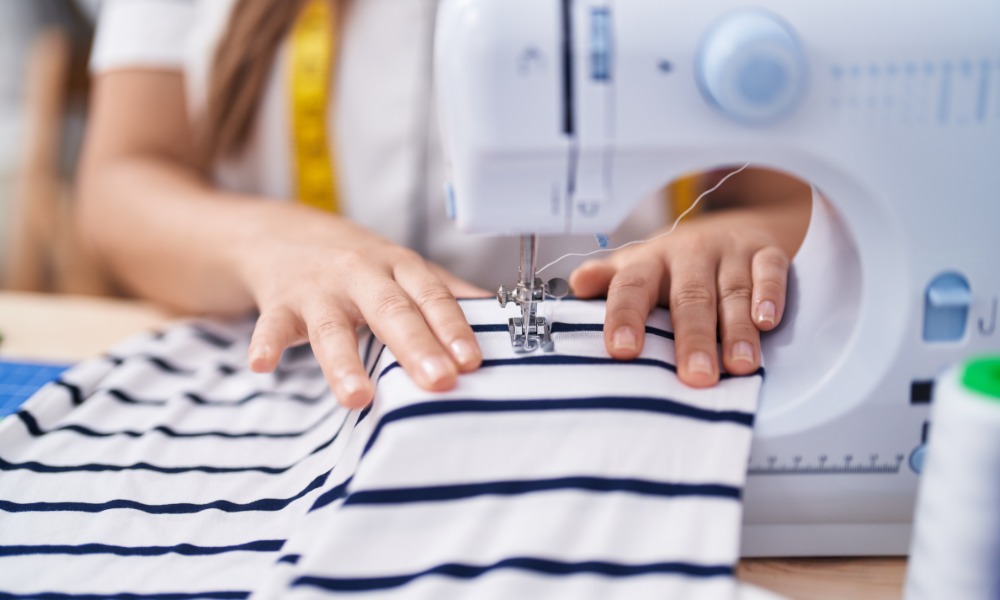
A reliable machine makes every creative project more enjoyable. Whether a sewist creates custom garments or repairs household fabrics, consistent performance plays an essential role in the result. Even advanced equipment requires proper care to maintain its precision and prevent unexpected mechanical problems.
Proper machine care does not require complicated procedures. Simple habits can protect delicate components and preserve the performance that sewists expect from their equipment. The key is to understand how a machine responds to regular use and recognize when it requires attention.
Learning what every sewist should know about machine care will help you concentrate on craftsmanship rather than mechanical problems. With consistent care, routine maintenance becomes a natural part of the creative process and supports successful results across different projects.
Why Regular Maintenance Matters More Than Expected
A machine may appear to function perfectly even when dust and thread fragments accumulate inside its mechanical components. These small particles can gradually interfere with normal movement and affect stitch consistency. Without regular attention, minor problems may become difficult to resolve.
Consistent maintenance helps preserve the machine’s original performance. Sewists who inspect their equipment regularly can recognize unusual changes before they disrupt a project. This proactive approach also reduces unnecessary stress on mechanical parts that depend on precise movement.
The Hidden Problems Inside the Bobbin Area
The bobbin compartment is one of the most overlooked areas of a machine. Every project leaves behind tiny fabric fibers and thread fragments that can collect around the bobbin case. As debris accumulates, the machine may produce uneven stitches or experience unexpected thread breaks.
A small brush can remove loose particles from accessible surfaces without damaging delicate components. Always disconnect the machine from electrical power before removing the bobbin or needle plate. A clean compartment helps maintain smooth thread movement and reduces the risk of frustrating interruptions.
Proper Lubrication Makes a Noticeable Difference
Mechanical friction can affect machine performance, especially in older models that require manual oil application. Without appropriate lubrication, certain internal parts may experience unnecessary resistance. Over time, this friction can contribute to mechanical wear and affect the machine’s ability to produce consistent stitches.
Following the best practices for lubricating your sewing machine will help maintain smooth mechanical operation and protect components from unnecessary friction. Always consult the manufacturer’s instructions before applying oil because many modern machines contain sealed mechanisms. Excess lubricant can attract dust or stain fabric, making precise application essential.
Why Needle Condition Deserves More Attention
A needle may look perfectly normal even after extensive use. Unfortunately, a dull or slightly bent needle can damage delicate fabrics and cause uneven stitches. Repeated use can also place unnecessary pressure on the machine’s internal mechanisms.
Replacing needles regularly is a simple way to protect both fabric and equipment. The correct needle type also matters because delicate silk requires a different approach than heavy denim. Sewists should always confirm that the needle matches the material and sits correctly inside the machine.
How Thread Quality Affects Machine Performance
Thread plays a larger role in machine performance than many sewists realize. Poor-quality thread may shed excessive fibers, break unexpectedly, or create irregular tension. These problems can interrupt a project and contribute to debris accumulation inside sensitive areas.
Quality thread should complement the fabric and intended stitch pattern. Different materials place different demands on the machine, making compatibility an important consideration. A short test seam can reveal potential problems before they affect an entire garment or decorative project.
The Importance of Balanced Thread Tension
Thread tension determines how upper and lower threads interact to create balanced stitches. Incorrect settings can produce loose loops or seams that lack the desired appearance. These problems often frustrate sewists who assume their machines require extensive repairs.
Before adjusting tension, inspect the needle and confirm that the machine has the correct thread path. An incorrectly installed bobbin can also affect stitch formation. Small adjustments and careful tests on scrap fabric can help identify the actual cause without unnecessary changes to machine settings.
Why Feed Dogs Need Regular Attention
Feed dogs move fabric beneath the presser foot at a controlled pace. When their teeth collect lint and fabric debris, they may struggle to maintain consistent contact with the material. The result can be uneven stitch lengths or fabric that fails to advance correctly.
Regular care keeps this mechanism free from unnecessary obstructions. A soft brush can remove accessible debris without damage to the teeth or nearby components. Sewists should avoid sharp metal tools because scratches or accidental pressure can create additional mechanical problems.
Recognize the Early Signs of Machine Trouble
A machine often shows subtle signs of mechanical trouble before a serious failure occurs. Recognizing these changes early can prevent unnecessary repairs and protect delicate internal components. Common signs that a machine may require maintenance include:
- Unusual noises: Sudden rattles or unfamiliar mechanical sounds may indicate loose components or internal obstructions.
- Uneven stitches: Irregular stitch patterns can suggest tension problems, needle damage, or debris near essential mechanisms.
- Excessive vibration: Unexpected movement during normal use can indicate mechanical problems that require professional inspection.
- Fabric movement problems: A machine that struggles to advance fabric may have debris around the feed dogs or another mechanical issue.
Proper Storage Protects Your Machine
Machine care continues even when no projects are underway. Dust and excessive humidity can affect equipment that remains unused for extended periods. Poor storage conditions may also contribute to corrosion or damage to sensitive electrical components.
A clean, dry location offers appropriate protection between projects. A fitted cover can reduce dust accumulation without the need for complicated maintenance procedures. Sewists should also keep their machines away from direct sunlight and areas where accidental impacts could damage delicate parts.
When Professional Maintenance Becomes Necessary
Routine home care cannot address every mechanical issue. Internal components may require specialized adjustments that demand professional tools and technical expertise. Attempted repairs without adequate knowledge can create additional problems and compromise machine performance.
A qualified technician can evaluate mechanical alignment and identify wear that remains difficult to detect through ordinary inspections. The appropriate service interval depends on machine design and manufacturer recommendations. Persistent stitch defects or unusual motor behavior deserve professional attention when basic maintenance fails to resolve the problem.
A dependable machine is more than a practical tool. It represents an essential part of the creative process, where precision and craftsmanship transform ordinary materials into meaningful projects. Protecting that equipment requires consistent attention and respect for its mechanical limitations.
Understanding what every sewist should know about machine care can transform maintenance from an occasional chore into a valuable creative habit. Each careful inspection reflects a commitment to quality and a greater appreciation for the equipment behind every finished piece.
