
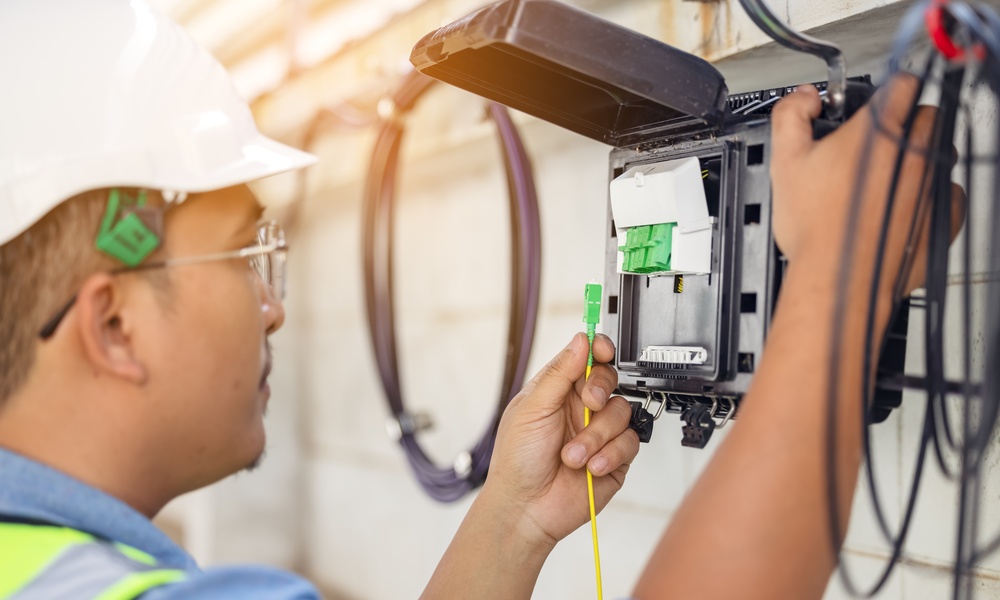
A fiber network can transform how homes, businesses, public agencies, and other organizations connect to digital services. However, customers only see the final result when a provider announces availability and begins activating connections. Before that point, engineers, construction crews, technicians, planners, and local authorities complete a long sequence of coordinated tasks. Understanding what happens before a fiber network goes live reveals why deployment requires careful planning, specialized equipment, extensive testing, and close attention to local conditions.
Planners Determine Where the Network Will Go
Every fiber deployment starts with a clear understanding of where the network needs to travel. Planning teams study potential service areas, existing infrastructure, customer demand, geographic obstacles, and practical routes for new fiber. They may review utility maps and conduct field surveys to confirm whether existing records match actual conditions. These early decisions influence construction costs, network performance, maintenance requirements, and the amount of disruption that communities may experience.
Network designers then determine how different sections of the system will connect. They map routes between central facilities, distribution points, neighborhoods, businesses, and individual customer locations. Designers also calculate capacity requirements so that the infrastructure can handle expected traffic and future growth. Careful network design reduces the risk of expensive modifications after crews begin construction.
Project Teams Secure Permits and Coordinate Access
Fiber construction often crosses public streets, utility corridors, private property, and areas that several infrastructure providers already use. Project teams therefore need appropriate permits, agreements, and access before crews can start work in many locations. Requirements vary between jurisdictions and can depend on whether teams plan underground construction, aerial installation, or a combination of both. Coordination at this stage helps crews follow local rules while limiting conflicts with roads and existing utilities.
Teams also communicate with utility companies when projects involve poles, ducts, conduits, or shared rights-of-way. Aerial projects may require engineers to evaluate whether poles have enough space and structural capacity for additional equipment. Underground projects require teams to identify existing water, gas, electrical, telecommunications, and other infrastructure before excavation begins. Thorough coordination prevents construction delays and reduces the chance of damaging essential services.
Crews Prepare the Physical Route
Once planning and approvals move forward, construction teams prepare the path that will carry the fiber. Underground projects may require trenching, directional boring, conduit installation, handholes, vaults, or access points along the route. Aerial projects use utility poles and supporting hardware to carry cables above ground. Local geography, infrastructure, cost, regulations, and maintenance considerations often determine which installation method makes the most sense.
Crews need different equipment depending on the route and installation method. Contractors handling overhead construction may consider cable lasher rentals for aerial fiber jobs when they need specialized equipment to secure communications cable to a supporting strand. Underground crews may rely on cable-pulling equipment, boring machines, locating devices, and other specialized tools. Matching equipment to the job helps crews maintain installation standards while working efficiently across different environments.
Technicians Install the Fiber Infrastructure
The next stage places fiber optic cable along the prepared network route. Crews pull or blow cable through underground conduit, install it on aerial infrastructure, and route it through access points according to the engineering plan. They must manage cable tension and bending carefully because excessive stress can damage optical fibers and reduce performance. Accurate labeling also helps technicians identify individual cables and connections during testing, repairs, and future expansion.
The installation process usually includes several important components, such as:
- Fiber-optic cables carry data through the network using pulses of light.
- Splice closures protect connections between separate sections of fiber cable.
- Distribution points organize fiber routes that branch toward customer locations.
- Conduit and aerial hardware protect and support cables along their physical routes.
Fiber Splicing Creates Continuous Connections
Installing cable doesn’t automatically create a functioning network because technicians must connect individual fiber sections. Fiber splicing joins optical fibers with high precision so that light can travel across long network routes with minimal loss. Technicians commonly use fusion splicing equipment to align fiber ends and create permanent connections. They then protect completed splices inside closures or other suitable enclosures.
Cleanliness matters significantly during this stage because dust, contamination, or damaged fiber ends can interfere with signal quality. Technicians prepare each fiber carefully, complete the splice, and organize the finished connections according to the network design. Detailed records help teams identify which fibers serve particular areas and equipment. Accurate documentation becomes especially valuable when technicians troubleshoot problems or expand the network later.
Testing Reveals Problems Before Launch
Testing represents one of the most important stages before a fiber network goes live. Technicians need to confirm that installed fibers can carry optical signals within the performance limits specified for the network. They can use optical power meters, light sources, optical time-domain reflectometers, and other tools to evaluate fiber links. Results may reveal excessive signal loss, damaged cable, poor splices, unexpected reflections, or other installation problems.
When technicians discover an issue, they investigate its location and likely cause before approving the affected link. A failed test might require crews to clean a connector, redo a splice, repair damaged cable, or inspect part of the route. Teams test again after correcting the problem to confirm that the link now meets requirements. This verification prevents avoidable service failures once customers start relying on the network.
Final Inspections Confirm Operational Readiness
Before launch, project teams review the network as a complete system rather than a collection of individual construction tasks. They check testing records, equipment configurations, labeling, documentation, physical installations, and unresolved issues. Depending on the project, teams may also complete required inspections or coordinate final approvals with relevant authorities and infrastructure owners. This process gives operators an opportunity to correct remaining problems before customers depend on the service.
Providers may activate parts of a large network in phases rather than launching an entire service area simultaneously. Phased activation can allow teams to confirm real-world performance and address local issues as deployment continues. Customer installation processes must also work correctly so that technicians can connect individual premises without unnecessary delays. Operational teams need procedures for monitoring performance and responding quickly when faults appear.
The question of what happens before a fiber network goes live has no single answer because deployment requires many interconnected steps. Teams must plan routes, coordinate infrastructure access, construct pathways, install cable, splice fibers, configure equipment, test performance, and maintain accurate records. Problems at one stage can affect later work, which makes coordination and quality control essential throughout deployment. The scale of that effort explains why fiber construction can remain visible in a community for months before service becomes available.
