
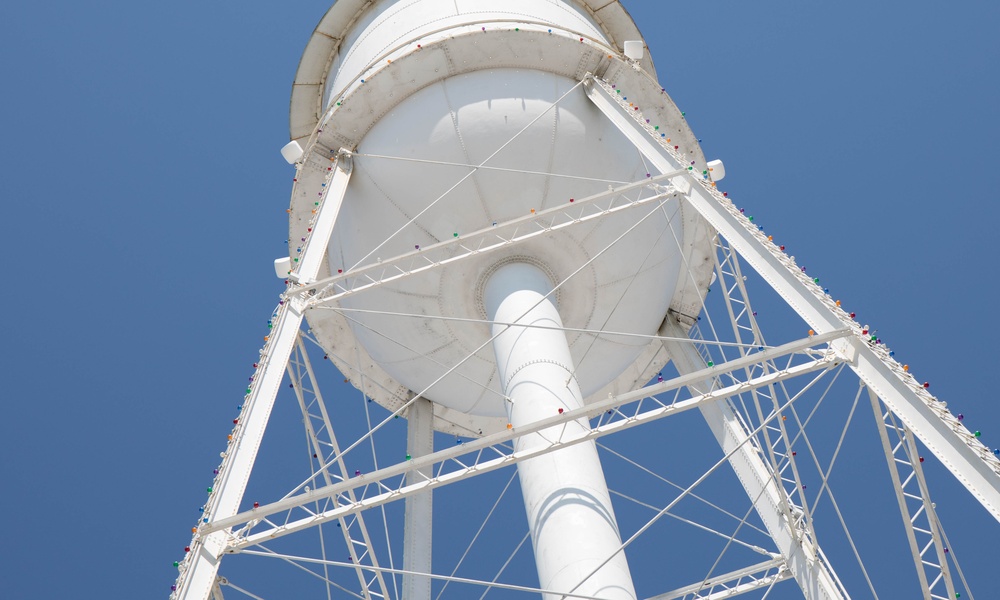
A water tower sits above your neighborhood for years, so it’s easy to forget that someone needs to maintain the enormous tank on top. Then a maintenance truck arrives, and you start wondering what’s happening inside the structure that helps supply your tap water.
If you’ve ever wondered what happens when a water tower needs cleaning, the answer involves much more than rinsing out an oversized container. Here’s what the process looks like, from the first inspection to the final water test.
Why Water Towers Need Routine Cleaning
Most municipal water towers store water after a treatment plant prepares it for distribution. Although the water meets drinking water standards when it enters storage, small amounts of sediment gradually collect along the tank floor.
Particles might come from the water itself or from materials within the distribution system. Over time, deposits create places where microorganisms could persist. Poor water circulation also makes it harder to maintain water quality.
A town doesn’t necessarily empty its tower on the same date every year. Operators follow inspection requirements and review what they find inside the tank. If an inspection reveals accumulated sediment or damaged interior surfaces, the utility plans the appropriate cleaning work.
The Utility Plans for Water Demand First
Before a crew touches the tank, water operators must consider the neighborhoods that depend on it. An elevated tower stores treated water and helps support pressure in the distribution network. Taking a major storage facility out of service without preparation risks interfering with normal operations.
Engineers review the community’s water use and whether other facilities have enough capacity to meet demand during maintenance. This reserve helps explain why large-scale water storage systems are crucial for communities. Storage gives operators flexibility to maintain infrastructure without interrupting everyday service.
Inspectors Look for More Than Dirt
A cleaning project usually starts with a careful look at the tower’s condition. The crew wants to know where sediment has collected and whether the tank needs additional maintenance.
During an inspection, crews check for issues such as:
- Sediment accumulating along the tank floor.
- Deteriorating protective coating on interior surfaces.
- Damaged screens covering vents or overflow openings.
- Signs of corrosion near structural connections.
These findings help determine whether workers need a straightforward cleaning or a longer repair project.
Crews Decide Whether To Drain the Tank
You might picture workers opening a drain and letting thousands of gallons of water out. Some cleanings do follow that approach, particularly when crews need direct access to interior surfaces.
After the utility isolates the tower from the distribution system, workers lower the water level and arrange safe access. A drained tank gives inspectors a closer view of surfaces that normally sit underwater.
Cleaning Without Emptying the Tower
In other situations, trained divers or remotely operated vehicles work inside a tank while it holds water. A specialized underwater vacuum collects sediment from the bottom.
This approach reduces the need to drain the entire facility, but operators still must manage contamination risks. Depending on local rules and operating conditions, the utility might isolate the tower from the water network during the work.
Workers Remove Sediment Carefully
Once the team establishes a safe cleaning plan, the main job begins. In a drained tower, workers remove deposits and clean the appropriate interior surfaces using equipment suitable for drinking water facilities.
They don’t simply stir up the material and send it through neighborhood pipes. Crews collect the waste and manage the cleaning water under the utility’s procedures. If the work involves underwater equipment, operators take extra precautions to keep disturbed sediment away from customers.
Remember that tank cleaning doesn’t replace drinking water treatment. The treatment plant still makes source water safe. Tower maintenance simply protects water quality after treatment.
Repairs May Extend the Maintenance Window
A cleaning crew sometimes uncovers a problem that needs more than a quick rinse. Corrosion might have affected a section of metal, or a protective coating could be wearing away.
The utility then decides whether to complete repairs during the current shutdown. A small repair now might prevent a second service interruption later, but the work must also meet drinking water safety requirements.
Protective Coatings Need Special Attention
Interior coatings help protect the tank material from corrosion. If workers repair or replace a coating, they must choose materials safe for contact with drinking water.
The repair process sometimes extends the schedule because coatings need time to cure before the tank returns to service. Workers also must follow required cleaning and disinfection steps afterward.
This explains why a tower that looks quiet from the street might remain out of service long after the visible maintenance crew leaves.
Disinfection Follows Major Interior Work
When crews drain a tank and enter it for extensive cleaning or repairs, the utility follows an approved disinfection procedure before returning the facility to service.
Workers use a prescribed disinfectant treatment designed for drinking water storage facilities. They control the chemical concentration and contact period according to applicable requirements. They also manage heavily chlorinated water appropriately, rather than releasing it without a plan.
Not every underwater inspection calls for the same full disinfection process. The extent of the work still depends on the situation, and local regulations determine which sanitary precautions and testing steps apply.
Water Testing Determines When Service Resumes
Finishing the cleaning doesn’t automatically mean operators reopen the tank. They first check whether the water meets the requirements for returning the facility to service.
Testing typically checks the disinfectant residual, helping operators confirm the water maintains appropriate protection. They also collect bacteriological samples to check for indicators such as coliform bacteria.
Only after completing the applicable checks does the team return the tank to normal operation.
What Residents Might Notice During Cleaning
Most residents won’t see much beyond workers arriving at the tower. In a well-planned project, the utility maintains ordinary service through other storage facilities or pumping arrangements whenever the system allows.
If an interruption becomes necessary, the water provider should explain the affected area and expected changes. A pressure drop or unusual water color deserves attention, but neither automatically proves the tower cleaning caused a water quality problem.
You may never see what happens inside the tank, but understanding what happens when a water tower needs cleaning clarifies the purpose of those maintenance visits. Crews aren’t simply removing dirt. They’re protecting treated water while keeping the community’s supply dependable.
