
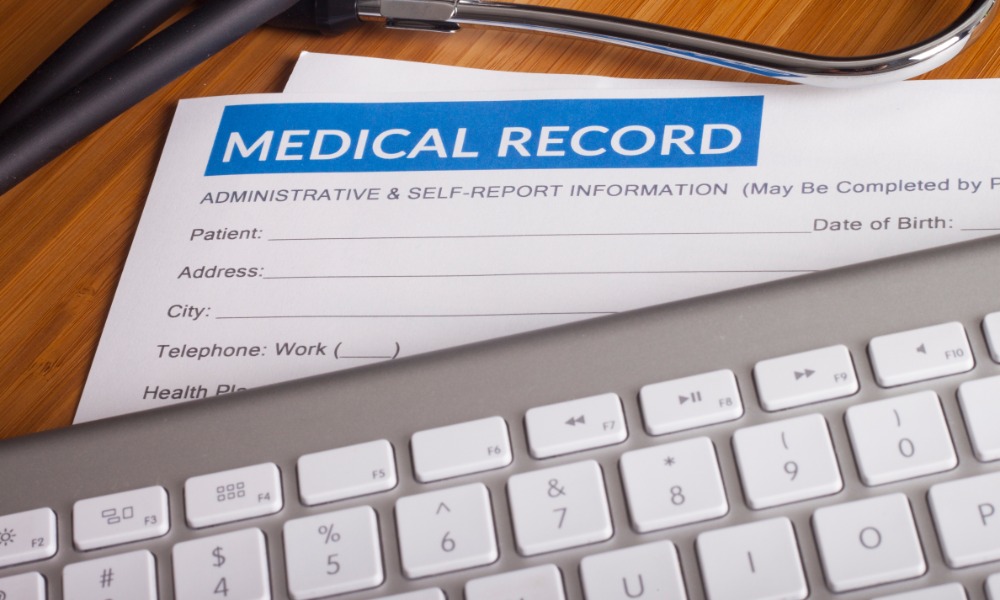
If you’ve ever visited a doctor, urgent care, or hospital, you have a medical record on file somewhere. Curious what kind of information that record holds? Much more than you’d expect! Here’s some information you can request and when having access to that documentation can be useful.
Your Personal and Insurance Details
Before any provider documents your health, they document you. Your medical record includes your full name, date of birth, contact information, and insurance details. This is the administrative layer that connects every visit across different providers. If you’ve ever switched doctors and wondered why they asked for the same information all over again, this is the section that doesn’t always transfer automatically.
Notes From Your Provider
Every appointment generates a clinical note. Your provider records what you described, what they observed during the exam, and what conclusions they drew from it. These notes follow a standard format that includes your reported symptoms, the provider’s findings, any diagnoses made, and the treatment plan they recommended. This is the most detailed section of your record and the one most people never actually read.
Lab Results and Test Reports
Blood panels, urine tests, imaging scans, biopsies—every result gets filed into your record. Each report includes the date of the test, the specific values measured, and whether those values fell within the normal range. If something came back abnormal, the record will show that too, along with any follow-up that was ordered.
Medications and Allergy History
Your record keeps a running list of every medication prescribed to you, including the dosage and prescribing provider. It also documents any allergies you’ve reported and any reactions you’ve had to medications or treatments in the past. This section is especially important when you’re seeing a new provider who doesn’t have your full history in front of them.
Documentation That Can Support a Legal Case
Records can also contain detailed clinical findings that can help build a court case against a negligent provider. For example, documented exam notes can help prove OBGYN abuse by showing what a provider did or recorded during an appointment. Or it can reveal inconsistencies between what was documented and what actually took place. It’s for this reason that anyone who suspects misconduct should request their records as soon as possible.
You Have More Access Than You Think
Your medical records hold a detailed account of your health history, and in many situations, having access to that documentation protects you. Whether you’re coordinating care between providers or navigating something more serious, knowing what’s in your file puts you in a better position to advocate for yourself. If you haven’t requested your records recently, it’s worth doing sooner rather than later.
