
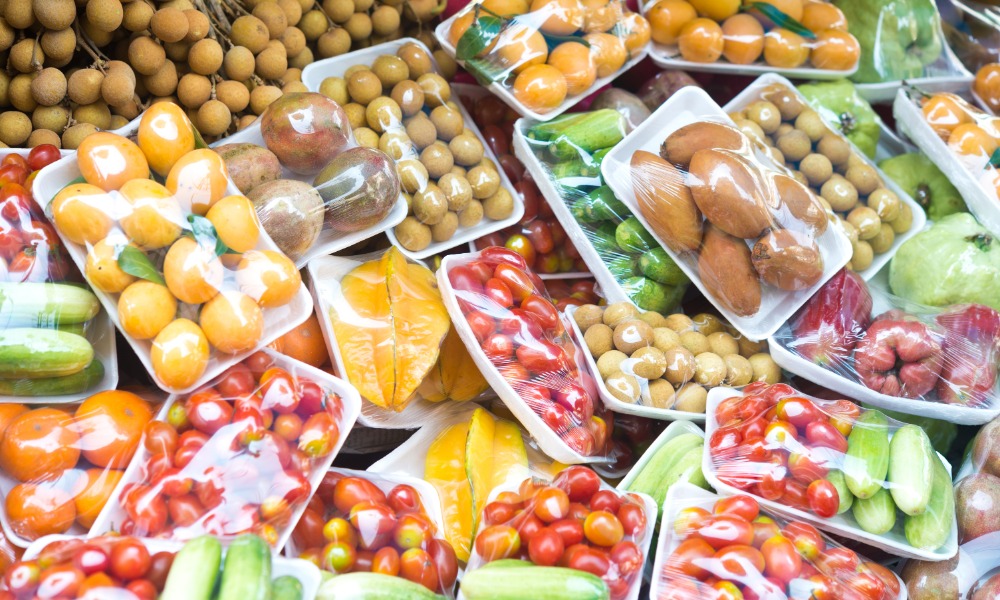
When you sell food directly to customers, packaging can create a difficult balance. You need something that protects what you produce, but you may also want to reduce unnecessary waste once that package has served its purpose. Understanding what makes food packaging more sustainable can help you make thoughtful decisions without losing sight of food safety or everyday practicality. A stronger approach starts by considering the package across its full life cycle rather than judging it by one environmental claim.
Start With the Whole Package
Sustainability doesn’t come down to whether a package carries a recycling symbol or uses a certain material. When you compare options, consider the resources that go into producing the packaging and what happens after your customer finishes using it. The EPA recommends this broader life-cycle perspective because environmental impacts can occur from material production through waste management.
For a farmer or small food business, that perspective can make packaging decisions more practical. Instead of searching for a supposedly perfect material, you can look for an option that performs its job while using resources efficiently.
Consider Its Full Life Cycle
A package starts affecting resources before it reaches your farm stand or store. Manufacturers need raw materials to produce it, and those materials require processing.
After you use the package, its environmental story continues. Your customer may reuse it or send it into a local recycling stream when the material qualifies. Looking at these stages together gives you a clearer basis for comparing packaging options.
Use Only What You Need
If you want to reduce packaging waste, start by asking whether the package uses more material than the food requires. The EPA identifies source reduction as its most environmentally preferred approach to managing non-hazardous materials and waste. A lighter weight and reduced packaging can support that goal.
That doesn’t mean you should automatically choose the thinnest package available. You still need enough material to protect the food during storage and transportation. If reducing material causes packages to fail, the change may simply create another problem.
Keep Protection in the Equation
Food protection remains a central part of responsible packaging. You don’t gain much from using less material if the package can’t withstand normal handling or keep the product secure.
Think about the conditions your food encounters between packing and purchase. If you sell at a farmers market, for example, customers may carry the package alongside other purchases before taking it home. Packaging needs enough strength for real-world use.
Compare Materials Carefully
Material choice matters, but simple labels such as “paper” or “plastic” don’t tell the whole sustainability story. You need to consider the specific package and whether the material suits its intended use. You should also think about its realistic end-of-life options where your customers live.
Egg packaging offers a useful example because producers can encounter cartons made from different materials. When you understand the practical differences between materials, you can make a more informed decision about the food you sell.
Make Disposal Easier To Understand
A package’s end-of-life potential matters only when customers have a realistic way of managing it. Local programs accept different materials, so a package that qualifies for recycling may not have a suitable disposal option in every community. You should consider what your customers can reasonably do with the package after use.
Clear disposal information can reduce some of that uncertainty. When appropriate for the package and local requirements, straightforward guidance can help customers understand the intended next step instead of leaving them to guess.
When you’re assessing an option, consider questions such as:
- Can customers reuse the package safely for its intended purpose?
- Does the local recycling system accept the material?
- Can customers separate different materials easily?
- Does the package use more material than necessary?
- Will it protect the food through normal handling?
These questions move the conversation beyond broad environmental language. They help you focus on what happens to the package in real life.
Don’t Overlook Food Safety
Sustainable packaging still needs to work safely with food. If a packaging material interacts with food, you need to make sure it’s appropriate for that intended use. The FDA regulates food-contact substances and evaluates applicable uses according to federal safety requirements.
Different foods can also place different demands on packaging. Temperature and storage conditions can matter when determining appropriate food-contact uses, so you shouldn’t assume that one package suits every product.
For a small producer, this point keeps sustainability grounded in responsible decision-making. Environmental considerations matter, but they shouldn’t push food safety into the background.
Think About Reuse Realistically
Reusable packaging may sound like an obvious improvement, but it needs to make sense for the package and its intended application. You need to consider whether the item can safely withstand another use rather than assuming that keeping it longer always makes it more sustainable.
The same practical thinking applies to your customers. If a package has a reasonable reuse path, that may extend its useful life before disposal. The EPA places source reduction and reuse above recycling in its waste management hierarchy, which reinforces the value of preventing waste before relying on end-of-life recovery.
Look Beyond Environmental Claims
Words associated with sustainability can sound reassuring, but they don’t always tell you enough to make a packaging decision. As a farmer or business owner, you need information that connects directly to the package you plan to use.
Ask what a claim tells you about the material or its disposal. If you can’t understand what the claim means in practice, look for clearer information before relying on it. Specific details give you more value than broad language.
This approach also makes it easier to communicate with customers. When you understand why you’ve selected a package, you can speak about that decision accurately without exaggerating its environmental benefits.
Make Sustainability Practical
So, what makes food packaging more sustainable in everyday use? A useful answer comes from looking at the entire picture. You want packaging that performs its job without using unnecessary resources and has a realistic path once your customer no longer needs it.
For farmers and small businesses, progress can start with the packaging you already use. Look closely at what works, where waste occurs, and whether another option would serve your food more efficiently. Thoughtful changes don’t need to happen all at once; they need to make sense for your products and the people who buy them.
