
Moving to a new home is exciting, but when you’re a musician, there’s a little more to think about than packing dishes and figuring out where the couch goes. Your instruments, recording equipment, and practice space all deserve special attention during the transition. After all, your musical setup isn’t just another collection of belongings.
Whether you’re relocating for a new job, pursuing better performance opportunities, or simply looking for a fresh start, planning ahead can make the experience much easier. Knowing what musicians should consider before moving will help you protect your equipment and settle into a space where your creativity can thrive.
Think About Your Musical Needs Before Choosing a Home
A beautiful apartment might seem perfect until you realize the walls are paper-thin and your neighbors aren’t particularly enthusiastic about late-night guitar sessions. Before signing a lease or purchasing a property, consider how the space will accommodate your musical lifestyle.
Think about how often you practice, whether you record at home, and how much room your equipment requires. If music is a significant part of your daily routine, your living environment should support that passion rather than make it difficult to enjoy.
Consider Noise Restrictions and Neighbors
Different properties have different expectations regarding noise, especially apartments and shared housing communities. Check lease agreements, HOA rules, and applicable local noise ordinances before committing to a new place.
Even if you’re allowed to practice at home, being considerate of your neighbors can prevent unnecessary conflicts. Rugs, acoustic treatments, and reasonable practice hours can help you maintain a comfortable environment for everyone.
Research the Local Music Scene
If performing or collaborating with other musicians is important to you, take time to explore your new community. Some cities have thriving live music scenes, while others offer fewer opportunities for networking and regular performances.
Look into local venues, community music programs, and rehearsal studios before making the move. Connecting with musicians online can also give you valuable insight into the area’s creative culture and help you establish relationships before arriving.
Consider Your Professional Opportunities
For musicians who earn income through performances or lessons, relocating can affect their financial stability. Research potential teaching opportunities, local demand for live entertainment, and the availability of recording studios.
You may need time to rebuild your client base or establish connections with local venues. Having a financial cushion can make this adjustment less stressful while you develop new opportunities.
Take Inventory of Your Instruments and Equipment
Musical equipment has a way of accumulating over time, especially when you’ve been playing for years. Before packing, create a detailed inventory of your instruments, accessories, and recording gear.
Include serial numbers, photographs, and estimated replacement values for expensive items. This documentation can be useful when reviewing insurance coverage or addressing potential damage during transportation.
Decide What Should Travel With You
Not every piece of equipment needs to go into the moving truck. Smaller instruments, valuable microphones, and sensitive electronics may be safer traveling in your personal vehicle when practical.
Consider which items you’d feel comfortable handing over to professional movers and which ones deserve extra supervision. Keeping essential equipment accessible also means you won’t have to unpack everything before playing again.
Pack Musical Instruments With Extra Care
Your instruments aren’t ordinary household items, and they shouldn’t be packed like them. Temperature changes, unexpected impacts, and improper positioning can cause damage that affects their performance.
Whenever possible, use manufacturer-approved hard cases designed specifically for your instruments. Secure loose accessories separately, and avoid placing heavy objects on top of instrument cases.
Protect Sensitive Components
String instruments, woodwinds, and electronic equipment can be particularly vulnerable during transportation. Follow manufacturer guidance regarding string tension, detachable components, and safe handling procedures.
For electronic equipment, disconnect cables carefully and label them before packing. Taking photographs of your current setup can make reconnecting everything much easier once you’ve settled into your new space.
Make Special Arrangements for Large Instruments
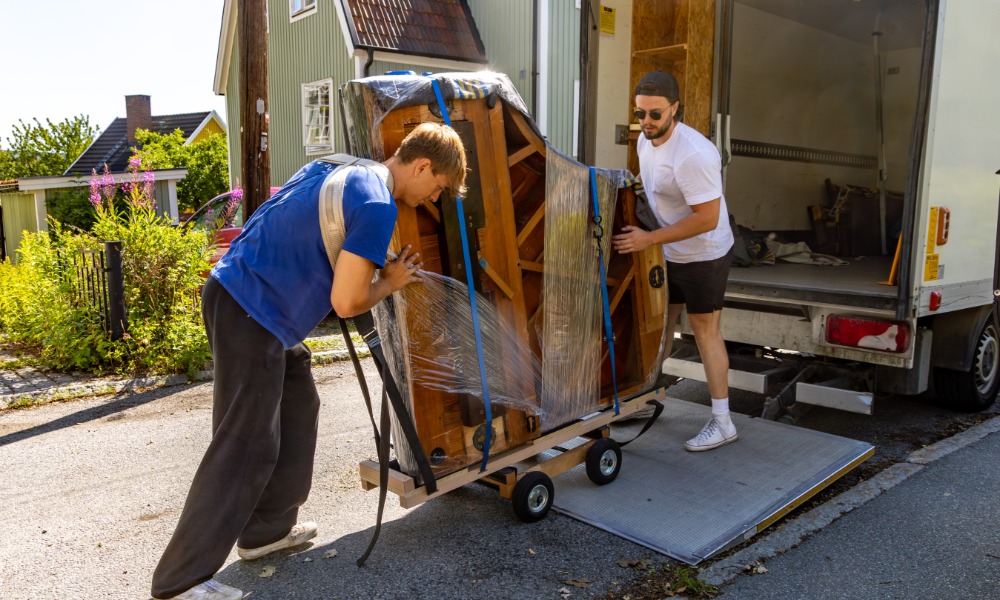
Moving a piano, organ, or other oversized instrument requires more planning than transporting a guitar. These instruments can be extremely heavy, difficult to maneuver, and sensitive to improper handling.
Hiring movers experienced with musical instruments can help reduce the risk of damage. Ask about specialized equipment, protective materials, and insurance coverage before scheduling transportation.
Plan Ahead for Piano Storage
Sometimes your new home won’t be ready for every instrument immediately. Whether you’re downsizing or waiting for renovations to finish, temporary storage may be necessary.
Pianos require particular attention because changes in temperature and humidity can affect their wooden components and overall condition. Understanding the dos and don’ts of long-term piano storage can help you choose an appropriate storage environment and protect your instrument until it’s ready for its new home.
Understand How Climate Affects Your Instruments
Moving between different climates can introduce challenges you might not have considered. Wooden instruments are especially sensitive to environmental changes because wood naturally responds to moisture levels.
Extremely dry conditions can contribute to cracking, while excessive humidity may cause swelling or other problems. Maintaining stable indoor conditions can help preserve your instruments after relocation.
Give Instruments Time To Adjust
It’s tempting to unpack your favorite instrument and start playing immediately, but significant temperature differences may require some patience. Allow instruments to adjust gradually to their new environment, following the manufacturer’s recommendations.
This is particularly important when moving during extremely hot or cold weather. Avoid leaving instruments inside parked vehicles or exposing them to direct sunlight for extended periods.
Allow Time To Settle Into a New Routine
Relocating can disrupt even the most consistent practice schedule. Between unpacking and adjusting to a new neighborhood, you might not have as much time for music as you’d like.
Instead of pressuring yourself to return immediately to your usual routine, establish manageable practice goals. Short, consistent sessions can help you maintain momentum while handling other responsibilities.
Moving can also introduce exciting creative possibilities. Exploring unfamiliar venues, meeting fellow musicians, and experimenting with a new practice environment might inspire your next musical project.
Make Your Next Move a Smooth One
Moving as a musician comes with unique challenges, but a little preparation can make the transition much easier. Protecting your instruments, researching your new community, and creating a comfortable practice space will help you settle in without sacrificing your passion for music. The goal is to make your new home a place where you can continue growing as a musician.
