
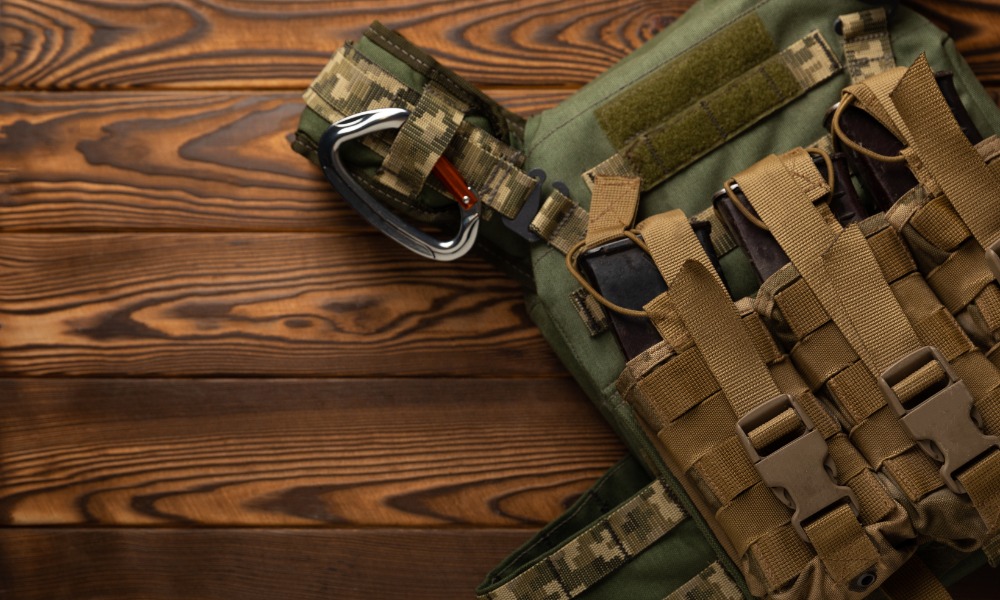
Tactical gear is protective equipment designed for jobs where physical threats are part of the work environment. It ranges from protective vests to helmets, carriers, and other equipment worn on the body. Curious what professions use body armor and why these workers rely on it? Here are some of the careers where protective armor appears on the job and what the equipment is useful for.
Police Officers
Police officers are among the most recognized users of body armor. Patrol officers face situations where firearms or other weapons may be present, so ballistic protection becomes part of their everyday equipment.
The type of vest depends on an officer’s assignment and department requirements. Concealable armor fits beneath a uniform, while outer carriers place protective panels over clothing. Officers assigned to higher-risk operations may use armor designed for greater ballistic protection than the equipment worn during routine patrol work.
K9 Officers
K9 officers use protective equipment, too, as do their dogs. An officer may wear body armor while responding to situations where weapons are present. Their canine partners may be outfitted similarly, with durable tactical K9 vests designed around a dog’s body and working needs.
Protection for the dog is especially relevant when a K9 enters an area before or alongside an officer. The vest adds a barrier over vulnerable parts of the torso without preventing the dog from performing trained movements.
Military Personnel
Military personnel use body armor because combat environments expose them to gunfire and fragmentation. Modern military armor commonly uses a carrier that holds protective inserts over areas of the torso where severe injuries would pose the greatest risk.
The exact equipment depends on the assignment. A service member operating in a combat zone needs different protection from someone whose duties keep them away from active fighting. Armor selection also has to account for mobility since excessive weight restricts movement during physically demanding work.
Security Guards
Some security guards wear body armor when their assignments put them around elevated threats. Armed guards who protect valuable property, financial institutions, or sensitive facilities may face a greater risk of encountering firearms than guards assigned to lower-risk locations.
Body armor gives these workers added protection without replacing situational awareness or security procedures. The level of armor depends heavily on the job. A guard stationed at a reception desk doesn’t face the same working conditions as one transporting valuables or protecting a restricted site.
Armored Truck Guards
Armored truck guards transport cash and other valuables, which creates a specific risk: robbery. Criminals targeting an armored vehicle know valuable property is inside, so guards may wear ballistic vests as protection against firearms during pickups and deliveries.
Their work regularly places them outside the vehicle as money or valuables move between secured locations. Body armor covers the torso during those exposed periods. Guards still rely on training and company procedures to reduce risk, but armor provides physical protection if an armed confrontation occurs.
SWAT Officers
SWAT officers respond to incidents involving unusually high levels of risk, including armed suspects and barricaded situations. Their protective equipment reflects those conditions.
Rather than relying solely on the lighter armor associated with routine police patrols, tactical teams may wear carriers fitted with hard armor plates. These plates provide protection against firearm threats beyond what many soft armor panels are designed to stop. The added protection also adds weight, so officers train while wearing their equipment and account for its effect on movement.
Federal Law Enforcement Agents
Federal law enforcement covers many assignments, from investigations to operations involving armed suspects. Agents participating in arrests, raids, or other higher-risk field activities may wear body armor based on the expected threat.
Some armor fits beneath ordinary clothing when agents need a lower-profile option. Other assignments call for visible tactical carriers with identification panels and protective inserts. The equipment varies because federal agencies handle very different responsibilities. Armor selected for one operation may have little reason to appear during routine investigative work conducted in an office.
Private Investigators
Body armor isn’t standard equipment for every private investigator, but some investigators work in environments where personal protection becomes relevant. Cases involving potentially violent subjects or surveillance in higher-risk settings may lead an investigator to wear a concealable ballistic vest.
The low-profile design is particularly important in this profession. Investigators don’t always want clothing or equipment that immediately identifies what they’re doing. Concealable armor gives the torso ballistic protection while remaining underneath normal clothing, making it better suited to assignments where a tactical carrier would draw unwanted notice.
Bail Enforcement Agents
Bail enforcement agents may encounter people who know they’re about to be taken into custody and don’t want to cooperate. That creates the possibility of violent resistance, including situations involving firearms.
Some agents wear ballistic armor when attempting an apprehension because they have limited control over what awaits them at a residence or other location. Equipment choices depend on local laws, company policies, and the circumstances surrounding the assignment. Armor adds protection to the torso, but it doesn’t replace preparation before making contact with the person being sought.
War Correspondents
Journalists covering armed conflicts don’t participate in combat, but working near it still exposes them to bullets and fragmentation. War correspondents and photojournalists may wear ballistic vests and helmets while reporting from areas affected by active fighting.
Their armor serves a different purpose from equipment worn by soldiers. Journalists aren’t dressing for combat operations. They’re protecting themselves while gathering information in an environment where fighting is already taking place. Visible press markings may also appear on protective equipment, depending on the location and circumstances of the assignment.
Protection Depends on the Profession
There isn’t one vest designed for every worker who faces physical danger. Different professions encounter different threats, so armor varies in construction, coverage, and the level of protection it provides. Ballistic hazards faced by a patrol officer aren’t identical to the sharp-object threats encountered inside a correctional facility.
Understanding what professions use body armor and why also shows why the equipment can’t be chosen by appearance alone. The protection has to match the hazards connected to the job while allowing the wearer to perform the work without unnecessary restriction.


