
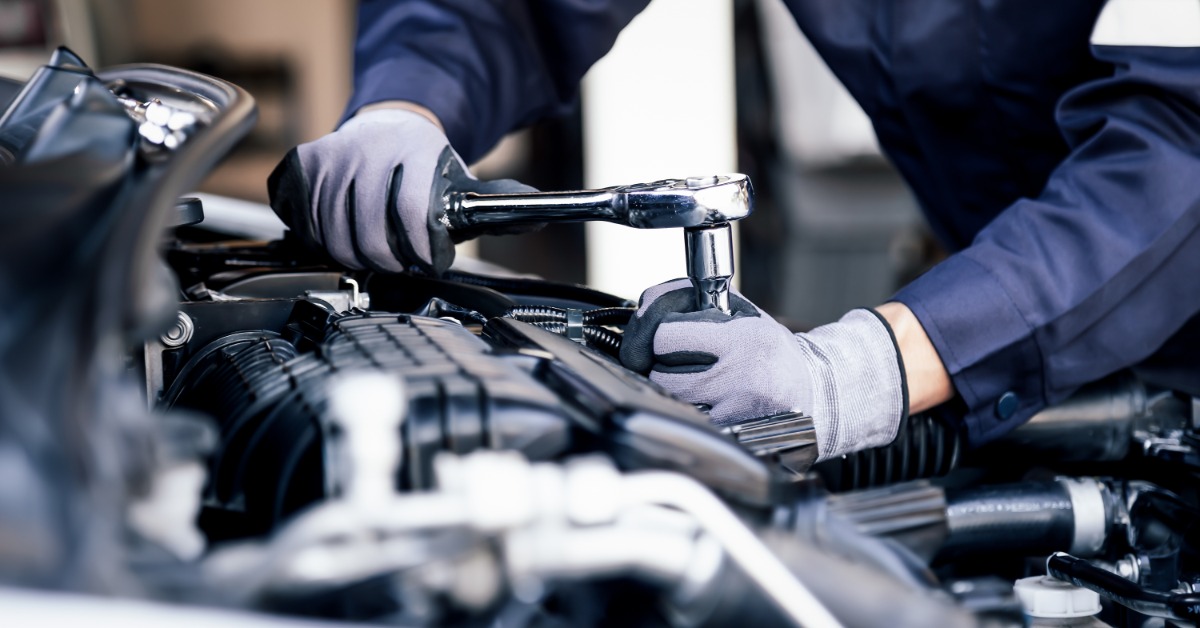
Ever wondered what happens to your car once it’s inside an auto shop? Technicians use a variety of repair methods to get your vehicle back into usable condition, depending on what the problem is. Here are some common repair techniques they use and why.
Computer Diagnostics
Modern vehicles run on dozens of small computers that track engine temperature, brake pressure, and dozens of other functions. When a sensor detects a problem, it logs an error code tied to that system.
Technicians plug in a scan tool to pull that code and identify which component or circuit triggered it. This step happens before almost any other repair because it narrows down the problem instead of leaving the technician to test components one by one.
Fluid Analysis
Oil, coolant, transmission fluid, and brake fluid each break down in specific, identifiable ways. Metal flecks in the oil come from internal engine wear on pistons, bearings, or camshaft components. Coolant that’s turned brown or gritty means rust and corrosion are forming inside the cooling system. Technicians check the color, texture, and smell of each fluid to determine whether the fix is a simple flush or a sign of mechanical damage underneath.
Compression Testing
When an engine loses power or runs rough, a compression test measures how well each cylinder seals during combustion. A technician removes the spark plugs, threads a gauge into each cylinder, and cranks the engine to record the pressure it builds. A low reading in one cylinder points to a worn piston ring or a bad valve in that specific cylinder. Low readings across every cylinder indicate the engine has reached a level of wear that a single-part repair won’t fix.
Brake Pad and Rotor Machining
Worn brake pads get replaced, but the rotors underneath don’t automatically need to be swapped out. If the rotor still meets the minimum thickness specification and hasn’t warped, a technician mounts it on a brake lathe and shaves the surface flat again. This restores even contact between the pad and rotor, which eliminates the pulsing or vibration that shows up when the brakes are applied. Rotors below the minimum thickness or visibly warped get replaced instead of machined.
Wheel Alignment
A car that pulls to one side or wears its tires unevenly has a suspension angle that’s out of specification. Technicians clamp a system of cameras and sensors to each wheel to measure camber, caster, and toe against the manufacturer’s exact numbers. Adjustments to the tie rods, control arms, or other suspension components bring those angles back into range. Skipping this step after a suspension repair causes new tires to wear out within months instead of years.
Welding
For some repairs, especially on classic cars or vehicles with rust damage, the only fix is welding. Welding a body panel or a section of frame requires a steady hand and precise heat control since excess heat warps thin sheet metal and weakens the surrounding structure. Once the new metal is welded in, the technician grinds it smooth and blends it into the surrounding panel.
Fuel Injector Cleaning
Fuel injectors spray a precise mist of gasoline into the engine, and carbon deposits build up around the nozzle openings over thousands of miles. This buildup distorts the spray pattern and causes rough idling, reduced fuel economy, and hesitation during acceleration. Technicians run a cleaning solution through the fuel system under pressure to break up those deposits, or remove the injectors and clean them on a bench with ultrasonic equipment. Injectors clogged beyond what cleaning can fix get replaced.
Timing Belt or Chain Replacement
The timing belt or chain keeps the crankshaft and camshaft rotating in sync, which controls when each valve opens and closes relative to the pistons. If this component breaks while the engine runs, the pistons and valves collide and cause extensive internal damage. Manufacturers set a specific mileage interval for replacement, and technicians follow that number directly instead of waiting for warning signs, since this component fails without any.
Transmission Fluid Flush and Rebuild
Automatic transmissions shift gears using fluid pressure. When that fluid breaks down or picks up contamination, shifts become delayed, harsh, or slip out of gear. A flush replaces the old fluid with new fluid and resolves those symptoms when the transmission itself is undamaged. When components like the clutch packs or torque converter have failed internally, the technician pulls the transmission and rebuilds it piece by piece on a bench.
Suspension Component Replacement
Struts and shocks lose their ability to control movement as they wear out. A technician may notice fluid leaking from a shock or excessive bounce during a road test. Worn control arm bushings create different symptoms, such as looseness in the suspension or clunking over bumps. Technicians replace the failed component so the suspension can control wheel movement the way it should.
Battery and Charging System Testing
A car that struggles to start doesn’t automatically need a new battery. Technicians use a load tester to check whether the battery holds voltage under stress and a multimeter to check the alternator’s output while the engine runs. A battery that passes the load test but the car still struggles to start points to a failing alternator that isn’t recharging the battery between drives.
Tire Rotation and Wear Pattern Inspection
Tires wear unevenly depending on suspension geometry, driving habits, and inflation levels, and the pattern left behind tells a technician what’s causing it. Wear concentrated on the outer edges points to under-inflation, while wear down the center points to over-inflation. Cupping or scalloped wear across the tread points to a worn shock or strut that’s letting the tire bounce instead of staying flat against the road. Technicians rotate the tires on a set schedule to even out wear and inspect the tread depth and pattern at the same time, catching suspension problems before they cause a blowout.
Get A Better Idea of What Happens at the Shop
The techniques auto shops use to repair vehicles depend on the damage your car has when it arrives. Your technician may repair the original part or replace it when damage goes too far. Knowing a little about these repair methods can make the work on your vehicle much easier to understand when the shop explains what needs to happen next.
