
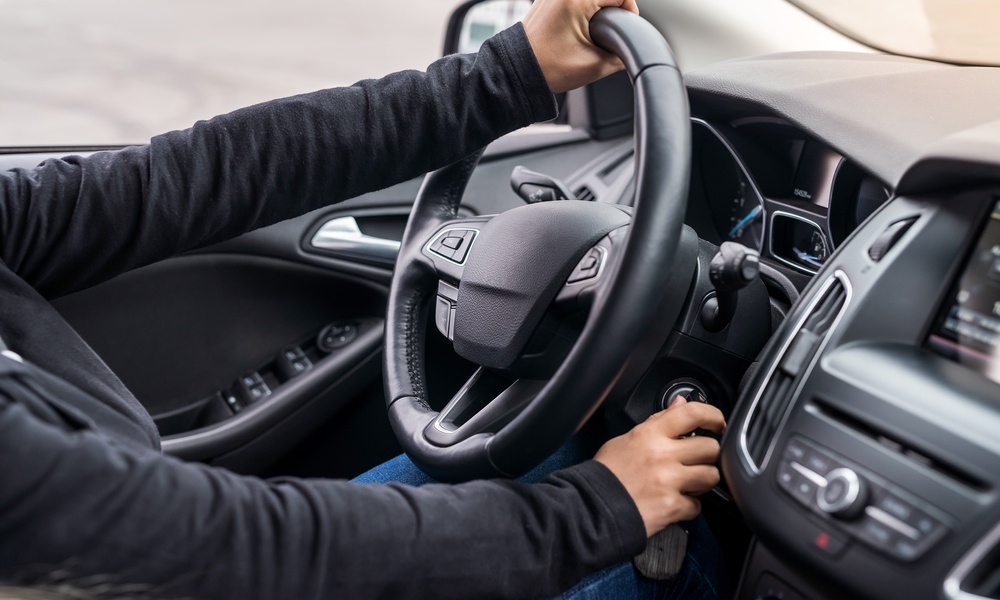
Your car has always started without hesitation, so when the engine suddenly takes a few extra seconds to turn over, you notice. It might seem like a minor inconvenience, but a change in starting performance can signal a problem that needs attention. Understanding what to check when your car takes longer to start can help you recognize what might be causing the delay. The sooner you identify an unusual starting pattern, the better prepared you’ll be to address it before your car stops starting altogether.
Pay Attention to the Starting Sound
The sounds you hear when starting your car can provide useful clues about the problem. During a normal start, you’ll hear the engine crank steadily before it begins running on its own. Notice whether it turns over more slowly than normal or cranks for several seconds before starting.
If the engine turns slowly, the starting system may not have enough electrical power to operate normally. If your car takes longer than usual to start despite making its normal starting sound, the problem may involve the fuel or ignition system.
A slow crank and an engine that cranks normally but takes longer to start can indicate different problems. Recognizing the difference can help you describe the problem accurately when you arrange an inspection.
Check Your Battery’s Condition
You may notice that your headlights dim significantly while cranking or that the engine struggles more frequently in colder weather.
Although these symptoms can indicate a weak battery, other electrical problems can produce similar warning signs. Knowing the warning signs of a dying car battery can help you identify potential problems before your car becomes difficult to start.
A battery test can determine whether your battery delivers adequate starting power. The results can help determine whether the battery needs replacement or whether further electrical testing is necessary.
Inspect the Battery Connections
A slow engine start doesn’t always mean your battery is weak. Sometimes, the problem comes from the connections that carry electrical power from the battery to the starter. If those connections become loose or corroded, your engine may struggle to crank properly.
With the engine off, take a close look at the battery terminals for any visible signs of damage or corrosion. Look for a white or bluish buildup around the terminals, which usually indicates corrosion. Also, pay attention to any connections that appear loose or damaged.
If you notice significant corrosion or damaged wiring, have a technician inspect the affected components rather than attempting repairs yourself. Keep in mind that battery cables can also develop problems beneath their protective covering, so connections that look clean aren’t necessarily in good condition.
Consider the Starter Motor
Your starter motor helps get the engine running by turning it over when you start your car. As the starter wears out, you may notice unusual sounds or find that your vehicle occasionally won’t crank at all.
For example, you might hear a single click when you turn the key or press the start button, but the engine doesn’t turn over. Although this can indicate a problem with the starter, a weak battery or poor electrical connection can cause similar symptoms. A technician can test the starting system to identify the cause before you replace any parts.
Notice Intermittent Starting Problems
Your vehicle may start normally one moment but fail to crank the next time you try. Intermittent problems can involve worn starter components or unreliable electrical connections.
If the engine won’t crank, avoid making repeated starting attempts. A technician can test the starting circuit and identify whether the starter receives sufficient power.
Examine Your Fuel Delivery
If your engine cranks normally but takes longer to begin running, consider whether it receives the fuel it needs during startup.
If your fuel pump can’t maintain enough pressure, it may take longer than usual to start. This can happen when fuel pressure drops while your car is parked, forcing the pump to rebuild that pressure the next time you start the engine.
You may notice this problem more often after your car sits for several hours. Still, extended cranking doesn’t necessarily mean the fuel pump is failing.
A technician can measure fuel pressure and evaluate whether the system operates within the manufacturer’s specifications. Testing helps identify the cause without replacing a functioning fuel pump unnecessarily.
Check for Ignition Problems
In gasoline-powered cars, spark plugs create the spark needed to ignite the fuel mixture and keep the engine running. If these components wear out or malfunction, your engine may struggle to ignite the fuel mixture consistently.
Worn spark plugs can make starting more difficult because they may struggle to produce a reliable spark. You may also notice rough operation shortly after turning on the engine.
If your vehicle has exceeded its recommended spark plug replacement interval, review the maintenance schedule in your owner’s manual.
A technician can also test the ignition coils to determine whether they’re contributing to the starting delay.
Consider Warm-Engine Starting Trouble
You might notice that your engine cranks normally when cold but takes longer to start after a short stop. In some cases, a faulty engine temperature sensor can contribute to this problem by sending inaccurate temperature information to the vehicle’s computer.
The computer uses this information to help determine the appropriate amount of fuel during startup. If the sensor provides an incorrect reading, your car may receive an unsuitable fuel mixture and take longer to start.
Heat-related electrical faults can also contribute to starting difficulties. Notice whether the problem occurs after driving or only after extended parking, as this distinction can help a technician narrow down the cause.
Know When To Seek Diagnosis
You don’t have to wait until your car refuses to start. If the delay keeps returning, arrange an inspection rather than relying on guesswork.
When you schedule an inspection, share these details with the technician:
- Whether the engine turns over slowly or at its normal speed
- Whether the problem occurs when the engine is cold or warm
- Whether the delay occurs every time or only occasionally
- Whether you hear clicking or grinding while attempting to turn on the engine
- Whether any dashboard warning lights remain on after the engine starts
Just because your car eventually starts doesn’t mean you should ignore the delay. Understanding what to check when your car takes longer to start can help you explain the problem more clearly to a technician. If starting delays continue, schedule a diagnostic inspection to find the cause before you’re left with a car that won’t start.
