
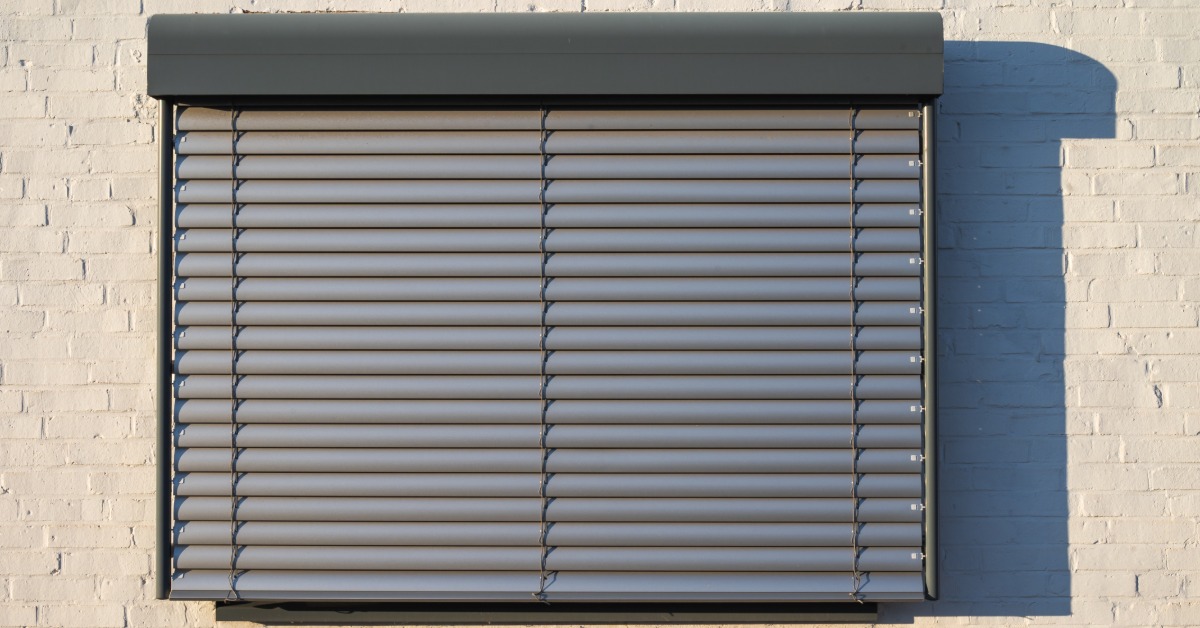
Security shutters can provide a home or business with an added layer of protection while also offering privacy, weather resistance, and greater control over access points. They can cover windows, doors, storefronts, and other vulnerable openings without requiring property owners to make major structural changes.
Choosing the right system takes more thought than simply measuring an opening and placing an order. Shutter style, operation method, mounting space, maintenance needs, and local requirements can all shape the final installation. Understanding those factors before work begins can help you choose a system that fits your property and your daily routine. Here’s what to know before installing security shutters.
Start With Your Security Goals
Before comparing products, decide what you want the shutters to accomplish. Some property owners primarily want to deter break-ins. Others need a stronger physical barrier for a commercial storefront or a property that remains vacant for extended periods.
Your goals can influence the shutter design you choose. A homeowner seeking nighttime security may prioritize appearance and ease of operation. A business owner needing to protect large glass storefronts may focus more on durability and coverage.
Think about when you plan to close the shutters as well. A system that closes only during extended absences has different needs than one you operate every evening. Understanding your routine can help you avoid paying for features you rarely use.
Measure Each Opening Carefully
Accurate measurements play a major role in how well security shutters fit and operate. Windows and doors that appear identical may have small differences in width, height, or surrounding space.
An installer should inspect each opening rather than assuming standard dimensions. The surrounding wall, trim, roofline, and nearby fixtures can affect where tracks and shutter housings can sit.
Large openings may also require different hardware than smaller windows. A wide storefront entrance places different demands on the shutter system than a narrow residential window. Careful measurements help the installer recommend the appropriate configuration for each location.
Consider Available Mounting Space
Security shutters need room for more than the visible curtain or panel. Many systems include tracks along the sides of an opening and a housing above it.
Before installation, inspect the space around each window or door. Light fixtures, signs, gutters, awnings, or decorative trim may interfere with the hardware. An installer may need to reposition an obstacle or recommend a different mounting method.
Interior and exterior mounting can also produce different visual results. Exterior systems remain visible from the outside, while some interior installations may offer a more discreet appearance. Property design and available space usually determine which approach works best.
Choose How You Want Them To Operate
Operation style affects how you interact with security shutters every day. One of the biggest decisions is choosing between motorized and manual security shutters based on convenience, opening size, budget, and expected use.
Manual shutters usually rely on a crank, strap, spring, or similar mechanism. They can work well for smaller openings or locations where you don’t need to open and close the shutters frequently.
Motorized systems allow you to control shutters with a switch, remote, or compatible control system. That convenience can help when a property has several openings or unusually large shutters.
Think beyond the initial installation. If you expect to operate the shutters daily, an easy-to-use control system can make the investment more practical over time.
Plan for Electrical Needs
Motorized security shutters require power, so electrical planning should occur before installation begins. An electrician may need to add wiring or connect the shutter motor to an existing electrical circuit.
The placement of switches also deserves attention. You should place controls where you can reach them easily without creating an awkward path through the room.
Ask what happens if the property loses power. Some motorized shutters offer backup options or manual overrides that let you operate them during an outage. Knowing those limitations in advance can help you choose a setup that suits your property.
Think About Emergency Access
Security shutters should protect a building without creating unnecessary obstacles during an emergency. Consider how occupants will exit if shutters cover doors or windows that serve as escape routes.
Discuss those openings with the installer before choosing a system. Local building or fire codes may place specific requirements on shutters near emergency exits.
Businesses should also think about employee access after closing hours. A shutter that completely blocks a main entrance may create an inconvenience if workers need to enter before opening or leave after the building closes.
Planning for access can prevent security upgrades from disrupting normal use of the property.
Compare Materials and Finishes
Security shutters come in several materials, and each option can influence weight, strength, maintenance, and appearance. Aluminum remains common because it offers durability without excessive weight.
Steel may provide greater strength for certain commercial applications, though its added weight can affect operation and installation requirements. Other shutter styles may use specialized materials that balance security with visibility.
Finish also deserves attention. The shutter should complement the building rather than appear like an afterthought. Many systems offer a range of colors or coatings, giving owners more control over the final appearance.
Consider exposure as well. Exterior shutters face sunlight, moisture, and temperature fluctuations throughout the year. A suitable finish can help the system maintain its appearance.
Understand Maintenance Needs
Security shutters need routine attention to keep operating smoothly. Tracks can collect dirt, leaves, or other debris that interfere with movement.
Owners should also watch for unusual noises or resistance during operation. A shutter that suddenly becomes harder to raise may need professional attention before a small problem grows.
Motorized systems may require additional maintenance of motors, switches, or control components. Manual systems have fewer electrical parts, but their moving parts still need regular inspection.
Ask the installer what maintenance the manufacturer recommends. A simple maintenance routine can help you catch wear early and reduce unnecessary strain on the system.
Look Beyond the Purchase Price
Shutter cost depends on opening size, material, operating style, customization, and installation complexity. Comparing only the initial price can obscure important long-term differences.
A lower-cost manual system may make sense for a small opening that you rarely close. A motorized system may offer better value for a large storefront that employees operate every day.
Installation quality should also factor into your budget. Poor alignment can create operational problems even when the shutter itself uses high-quality materials. Professional installation can help the system function consistently from the beginning.
Ask for a clear estimate that includes the shutter, hardware, labor, and any electrical work the project requires. Understanding the total cost can help you compare options more accurately.
Make the Right Choice for Your Property
Security shutters can become a valuable part of a property’s security plan, but the best results come from careful preparation. Take time to consider how you plan to use the shutters, where installers will mount them, and how each system will fit your normal routine.
When you understand the security shutter details above before installation begins, you can make decisions with greater confidence. A well-planned system can provide dependable protection without making your home or business harder to use.
