
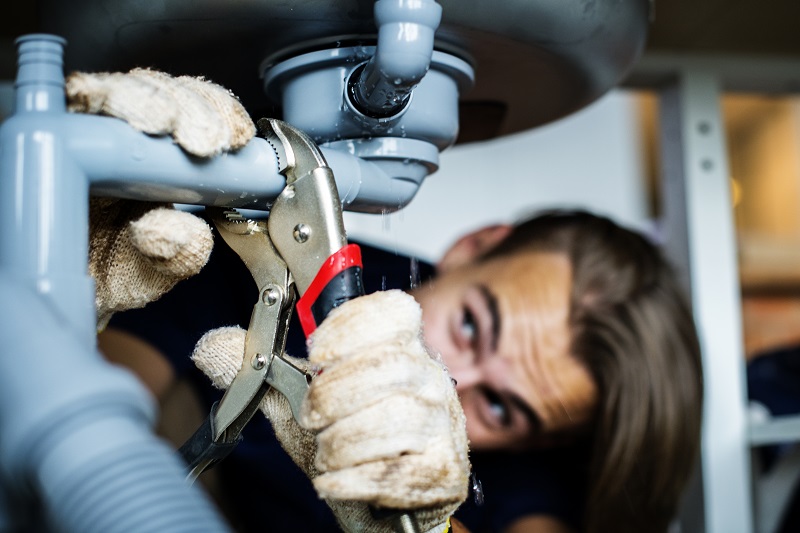
Have you ever found yourself ankle-deep in water at 2am, frantically searching online for a fix? Wondering if you can hold off on calling a plumber until morning? Or maybe you’re unsure about what truly counts as a plumbing emergency in Australia.
These questions can feel overwhelming, especially in the heat of the moment, which is why understanding emergency plumbing is so crucial.
In this blog post, we’ll break down the most common causes of household plumbing issues, explain why timing is everything when it comes to urgent repairs, and discuss the steps you can take before help arrives.
We’ll also tackle important questions about finding and choosing an emergency plumber, along with tips to prevent expensive mishaps.
Whether you’re a brand-new homeowner or simply want to be prepared for the unexpected, we’ve got you covered.
By the time you finish reading, you’ll know how to shut off your water supply instantly, recognise signs of trouble before they escalate, and make informed decisions about hiring a dependable plumber.
You’ll also gain insights into preventive measures that keep emergencies at bay. Let’s dive in and explore the key details of emergency plumbing, so you can keep your home running smoothly—and avoid those sleepless nights spent worrying about leaks and blockages.
Understanding Emergency Plumbing for Homeowners
Emergency plumbing involves urgent fixes to protect your home from water damage, foul odours, and unsafe conditions.
Sometimes a simple drip can turn into a major catastrophe if left unattended. That’s why it’s vital to know when to call a plumber who can provide fast, expert support.
What Is Considered a Plumbing Emergency in Australia?
Not every plumbing hiccup is considered an all-out emergency, but there are a few issues that almost always require immediate attention.
These include sewer backups, burst pipes, severe leaks, gas smells, and a sudden loss of hot water in winter. In Australia, water conservation laws and local regulations also influence urgency.
For instance, any leak that could threaten structural integrity or public health is usually categorised as an emergency. If in doubt, it’s safer to phone a plumber right away.
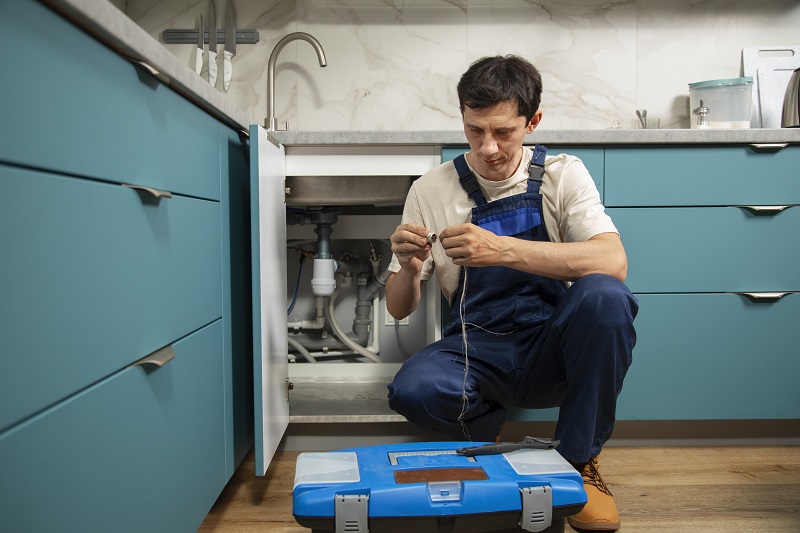
Emergency Plumber
Common Plumbing Problems That Require Urgent Attention
- Blocked toilets and drains
- Sewer backups that produce a foul stench
- Overflowing sinks or bathtubs
- Gas leaks or suspected gas line malfunctions
- Hot water system failures during cold seasons
Ignoring such issues can put your health and property at risk. By contrast, addressing them promptly can prevent further household disruptions and save you from costly repairs.
Why Timing Matters: The Risk of Ignoring Early Warning Signs
Leaky faucets or a slow-flushing toilet may not appear critical at first. Yet, small problems can snowball into severe damage if you wait too long. Water seeping into floors or walls can weaken structures and foster mould growth.
On top of that, delayed action often leads to higher repair bills. Early diagnosis and quick fixes can be a lifesaver, sparing you both stress and expenses.
Common Causes of Emergency Plumbing Issues
Some plumbing emergencies seem to happen out of nowhere—but most have an underlying cause. Knowing what triggers these unexpected crises can help you stay one step ahead.
Blocked Drains and Sewer Backups
One of the most frequent culprits, blocked drains usually start with a buildup of grease, soap scum, hair, or foreign objects. Over time, these materials narrow the flow of water.
Eventually, you may notice slow draining or gurgling sounds, which are clear warnings of a developing blockage.
If ignored, everything can back up, creating a messy situation that requires urgent attention from an emergency plumber.
Burst Pipes and Leaking Fixtures
Sudden drops in temperature or excess water pressure can cause pipes to burst. In Australia, while we may not face freezing conditions as intensely as some other countries, extreme climate variations or aging pipes can still lead to ruptures.
Leaking fixtures, such as taps and showerheads, also contribute to home flooding nightmares. Even a slow drip can waste gallons of water over time, driving up your utility bills and weakening structural supports.
Hot Water System Failures
Hot water systems can stop working because of faulty heating elements, sediment buildup in the tank, or issues with the thermostat. When you’re left without hot water on a chilly morning, it feels urgent.
Although not every hot water hiccup calls for an after-hours plumber, complete system failure or visible leaks often do. A qualified professional can identify whether you need a minor repair or a full replacement.
Gas Leaks: When to Call a Professional Immediately
Gas leaks pose a serious threat to both your health and property. A rotten egg smell or hissing sound near gas lines could indicate a leak.
If you notice these signs, open your windows for ventilation, shut off the gas supply at the meter if you can do so safely, and call an emergency plumber or gas inspector straight away. Never try to fix gas issues on your own; professional experience is non-negotiable here.
First Steps to Take in a Plumbing Emergency
A plumbing emergency often happens when you least expect it, so preparation is power. Knowing what to do in the first few minutes can make a huge difference in containing the damage and keeping costs down.
How Do I Shut Off My Water Supply in a Hurry?
When water is gushing from a burst pipe or overflowing appliance, the immediate priority is to stop the flow. Locate your main water shutoff valve—usually found near the front of the house or around the water meter.
Turn it clockwise to stop the water supply. If you have a smaller localized issue (like a leaking toilet), you can shut off the valve directly behind the fixture instead.
Keep in mind that every second counts, so it’s best to familiarise yourself with your home’s plumbing layout ahead of time.
Is It Safe to Attempt a DIY Fix Before Calling a Plumber?
A quick fix can sometimes prevent a small leak from turning into a flood. For instance, temporarily sealing a crack in a pipe with plumber’s tape might buy you enough time to schedule a professional visit.
However, if you’re unsure what to do, it’s safer to wait for a qualified plumber. Doing more than a minor patch-up without the right skills can worsen the damage. Also, messing with gas lines or complicated equipment can put you at serious risk.
Can an Emergency Plumber Help with Minor Issues After Hours?
Emergency plumbers typically cater to urgent repairs, but they won’t turn away smaller issues if you’re genuinely in need of after-hours help.
For instance, you might have a slow leak that you discover late at night, and it’s causing water to pool in your laundry area.
Although it might not be as dramatic as a fully burst pipe, addressing the problem swiftly can prevent bigger complications.
It’s always wise to ask about potential call-out fees, as emergency rates can be higher outside standard working hours.
Finding a Reliable 24/7 Emergency Plumber
When you’re waist-deep in an emergency, the last thing you want is to pick up the phone and call the wrong tradesperson. Making a wise choice starts with doing a little homework beforehand.
Which Qualifications Should an Emergency Plumber Have?
In Australia, practising plumbers must hold a valid plumbing licence. They should also demonstrate practical knowledge of local codes and regulations. Ideally, look for professionals who have experience with both residential and commercial plumbing, since that breadth of knowledge can be handy. Bonus points if the plumber is a member of a reputable trade association, indicating a commitment to ongoing training and industry best practices.
Are They Licensed and Insured?
Always ask whether the plumber is fully licensed and insured before you commit to any job order. Insurance is particularly crucial.
If something goes awry on-site—like accidental property damage or a worker injury—you want to be protected from liability.
A professional emergency plumber should be more than happy to provide you with their licence number and prove they have adequate insurance cover.
How Do I Compare Quotes and Response Times?
Response time is often critical in an emergency. Look for plumbers who promise a quick turnaround, particularly if you suspect a burst pipe, gas leak, or sewer backup. That said, you’ll want to balance speed with cost. Request a rough estimate from a few different providers.
While you should never base your decision solely on price, it helps to gather quotes to see what’s fair in your region. Pay attention to after-hours call-out fees, which can vary significantly.
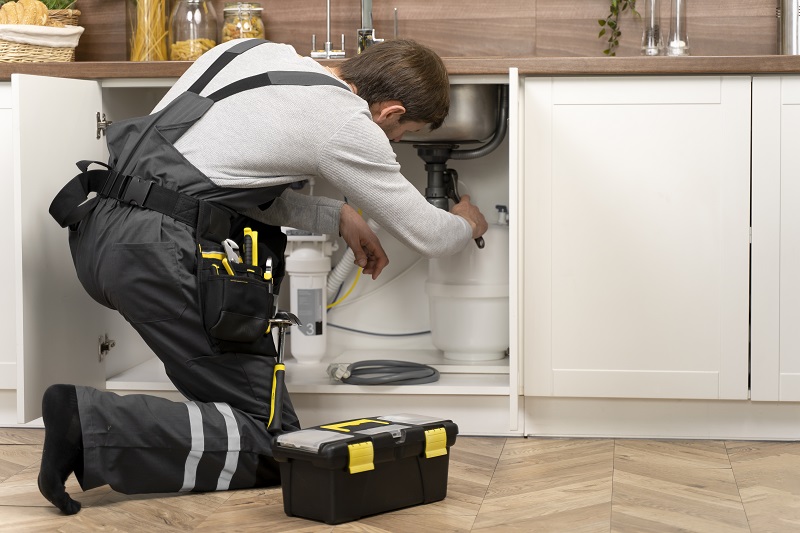
Emergency Plumbers
The Cost of Emergency Plumbing Services
Calling a plumber at two in the morning might not be on anyone’s wish list, but sometimes it’s unavoidable.
Costs will fluctuate based on factors like the nature of your emergency, the time of day, and your location.
Is It More Expensive to Call an Emergency Plumber?
In most cases, yes. Emergency plumbers typically charge higher rates for late-night or weekend work. You’re paying for their availability, which is crucial when seconds count.
However, if swift intervention saves you from major water damage, the extra money spent on an after-hours call-out might still be more affordable than an extensive renovation later on. Consider this when weighing your options.
Does Home Insurance Cover Emergency Plumbing?
Homeowners’ insurance often covers sudden and unexpected water damage—such as that caused by a burst pipe—rather than gradual wear and tear. Still, policies differ, so read the fine print of your cover.
Some may reimburse the emergency plumber’s fee, while others will only pay for water damage repairs. If you’re unsure whether your policy includes such coverage, contact your insurer or broker for clarification.
Preventative Measures and Maintenance Tips
Proactive care can often stop a small plumbing problem from developing into a costly crisis. By making a few routine checks and adjustments, you can protect your home and avoid that 3am ravine of water.
How Can I Prevent Frequent Blocked Drains?
Start by being mindful of what goes down the drain. Keep food scraps, cooking grease, and hair out of the sink or shower.
Using drain catchers or strainers is a straightforward way to collect debris before it clogs your pipes. You can also regularly flush drains with hot water and mild detergent to break down any buildup.
If you suspect a partial blockage, it’s better to address it straight away with a plunger or mild drain-clearing product rather than wait until it turns into a full obstruction.
Should I Schedule Regular Plumbing Inspections?
Routine plumbing inspections can be a game-changer for homeowners who want peace of mind. A qualified plumber can spot issues like corroded pipes or leaky seals before they spiral out of control.
Especially if you live in an older property, yearly check-ups can be a wise investment. During these visits, the plumber may also advise you on ways to boost system efficiency and potentially lower water bills.
Can Routine Maintenance Help Me Avoid Costly Repairs?
Absolutely. Ongoing maintenance—like checking for leaks around toilets and sinks, insulating pipes against temperature changes, and clearing gutters—can dramatically reduce your risk of emergencies.
It also helps you anticipate when major replacements, such as a hot water tank upgrade, might be on the horizon. While these measures take a little time upfront, they save both money and stress over the long run.
Addressing Top Questions from Homeowners
Quickly finding the right answers can spare you panic when the unexpected hits. Let’s address some of the most common “Top Questions” homeowners ask.
What If My Hot Water System Stops Working Suddenly?
First, check if the breaker or fuse for the hot water heater has tripped. If that’s all it is, resetting might solve the issue. Otherwise, look for leaks around the unit and listen for unusual noises.
If your tank is hot to touch or you see pooling water, turn off the power (gas or electricity) and call an emergency plumber. Sudden system failures can stem from faulty components, so it’s best to have a professional inspection.
How Quickly Should I Call a Plumber to Fix a Leak?
If you suspect leaking water that can’t be contained, call immediately. Even a small drip can escalate quickly. The longer you wait, the greater the chance of structural damage, mould growth, and health risks.
Some homeowners put a bucket under a leak and hope it won’t get worse, but that’s a gamble—one that can end up costing much more if the issue suddenly intensifies.
Is It Advisable to Use Chemical Drain Cleaners?
Chemical cleaners can dissolve minor clogs, but they may also corrode older pipes or harm your septic system if used excessively.
Repeated use might even lead to fragile pipes that crack under pressure. If you occasionally use a mild product, it can be effective.
However, for recurring blockages, it’s wise to contact a plumber for a more in-depth approach. This ensures you target the root cause rather than applying a short-lived fix.
Do Emergency Plumbers Offer Guarantees on Their Work?
Most reputable emergency plumbers stand by their repairs, providing some form of service guarantee. This could range from a 30-day warranty for cleared drains to a longer guarantee for replaced fixtures.
Make sure you ask about any guarantees before the work begins, so you know what to expect if something goes wrong. A promise of quality indicates the plumber’s commitment to delivering thorough results.
Conclusion
Emergencies aren’t fun, especially when water is gushing all over your floor or you catch a whiff of gas in the middle of the night. Still, as we’ve discussed, staying informed can make a massive difference.
Recognising early warning signs, such as slow drains or an unexpected drop in water pressure, often gives you the head start you need to prevent serious damage.
Remember: if you do face a plumbing crisis, the first move is to stop the immediate threat—usually by turning off the main water supply or the relevant fixture valve.
After that, reaching out to a licensed and insured plumber ensures you get quality workmanship and peace of mind. And don’t forget to ask about any guarantees they might offer, especially if you’re looking into more extensive repairs or replacements.
Ultimately, the best approach is proactive care. Scheduling regular inspections, using drain strainers, and paying attention to even tiny leaks keeps your plumbing in top shape.
With these basics under your belt, you’ll feel far more confident handling any plumbing hiccups that come your way.
A little knowledge now can spare you a world of stress later, so keep these tips in mind—and rest easy knowing you can navigate any plumbing emergency like a seasoned pro.
Need Reliable Plumbing Services in Canada? Contact Mr. Rooter Today!
Don’t let plumbing problems disrupt your home or business. Whether you’re dealing with a clogged drain, leaking pipes, water heater issues, or emergency plumbing repairs, Mr. Rooter Canada delivers fast, professional, and dependable solutions you can trust.
Our licensed plumbing experts provide top-quality workmanship, transparent pricing, and exceptional customer service to ensure every job is completed right the first time.
From routine maintenance to urgent plumbing emergencies, we’re committed to keeping your plumbing system running smoothly and efficiently.
