
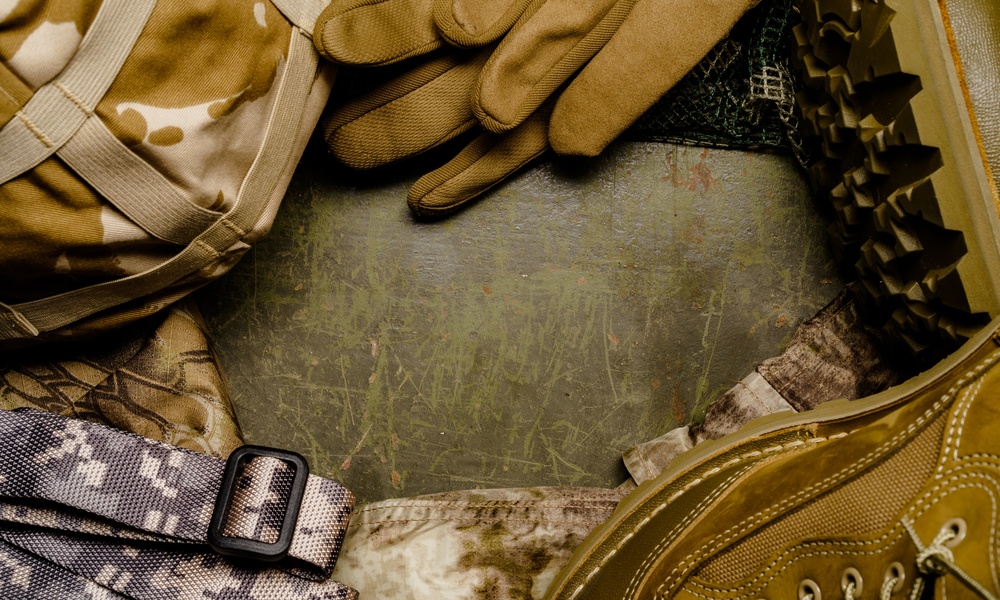
Military surplus gear offers incredible durability and value, from rugged clothing to tough-as-nails equipment. The world of surplus can be vast and a little confusing for newcomers.
TABLE OF CONTENTS
- Introduction
- Condition Grades Explained
- Understanding Military Sizing
- Identifying Authentic Military Surplus
- Creative Uses for Surplus Gear
- Exploring Historical Significance
Let’s cover what you need to know when buying military surplus so you can find great items with confidence.
Condition Grades
First, understand the condition grades. Items are usually sold in categories like “New/Unissued,” “Used – Grade 1,” or “Used – Grade 2.” Unissued gear is just that—brand new and never used.
Grade 1 items show minor wear but are fully functional, while Grade 2 might have noticeable repairs, stains, or small flaws.
If you’re using surplus gear for outdoor adventures or emergency kits, pairing it with reliable survival gear can help ensure long-term performance.
Understanding Military Sizing
Pay close attention to sizing, especially for clothing from different countries. A “Large” in one nation’s army might fit like a “Medium” from another.
Reputable sellers will provide measurements in inches or centimeters, which you can compare to your own clothes for a better fit.
It’s a good idea to measure a favorite jacket or pair of pants before you start your search.
If you’re using surplus clothing for outdoor activities, learning how to choose durable outdoor clothing can make a big difference.
Product Authenticity
Authenticity is another point to consider. True military-issue items are built to strict specifications and will outlast commercial replicas.
Look for details like NSN (National Stock Number) tags or manufacturer’s codes on the gear. These markings are a good sign you’re looking at a genuine piece of equipment.
Additionally, the U.S. Army’s equipment resources provide insight into current and past gear specifications.
Creative Uses for Surplus Gear
Don’t be afraid of a little character. For example, army surplus wool blankets are available in many different styles, so you can find an option that is as creative as it is comfortable.
Plus, a well-worn canvas bag or a field jacket with a professional repair tells a story.
These signs of previous life are part of the appeal for many collectors and users. Just be sure the item’s condition still meets your needs for its intended purpose.
If you’re preparing emergency kits, this pairs well with basic emergency preparedness tips to ensure your setup is complete.
Historical Significance
Finally, do a bit of research on the history of the specific item you want. A quick search can tell you about the materials used, its history, and common points of failure.
For example, some older rucksacks might have straps prone to dry rot, which is useful information before a purchase.
To sum it up, your success depends on a few details. With this guide on what you need to know when buying military surplus, you can navigate the market effectively.
Check the condition, verify the size, and appreciate the history to score some excellent, long-lasting gear.
For deeper research, check reputable historical sources like:
Final Thoughts
Understanding what you need to know when buying military surplus helps you navigate the market with confidence.
Check condition grades, verify authenticity, understand sizing variations, and appreciate the history behind each item.
With the right knowledge, you can find high-quality, long-lasting gear that delivers exceptional value.
Ready to explore the world of authentic military surplus?
Start your search with confidence, prioritize quality and safety, and build a collection—or gear setup—that lasts for years.
