
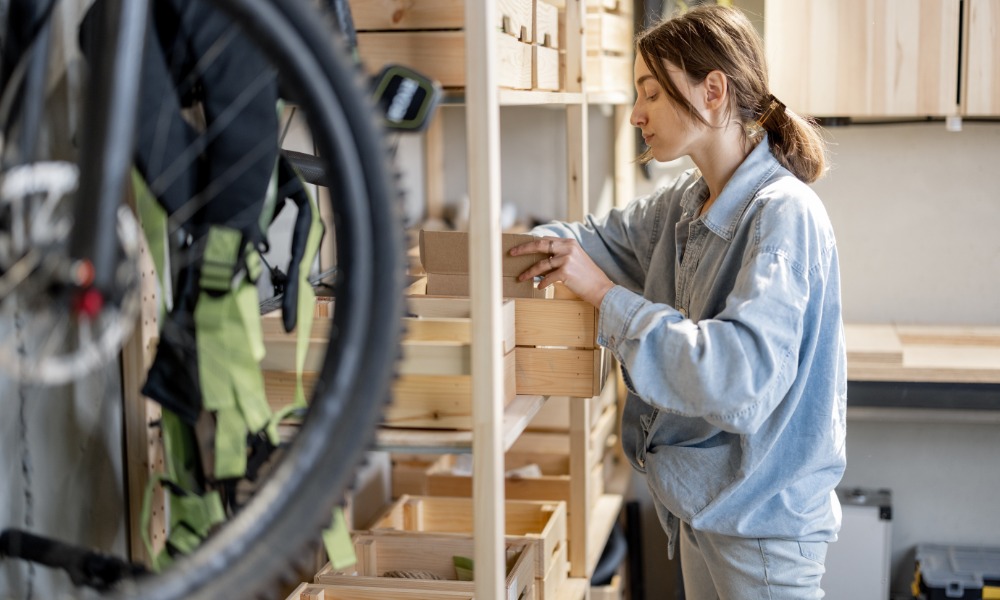
Hobbies have a way of growing beyond the space people originally set aside for them. Someone who begins painting at the kitchen table may eventually need somewhere to store canvases, while a person interested in restoring furniture might accumulate projects that no longer fit comfortably in a spare room. What begins as an occasional activity can gradually change how a household uses its available space.
One of the challenges that comes with hobbies taking up more space is figuring out how to accommodate growing interests without disrupting everyday life. As equipment accumulates and projects become more involved, the space that once worked perfectly well may no longer meet the demands of the activity.
Why Hobbies Grow Beyond Their Original Space
Most people begin a hobby with modest expectations about what they will need. A beginner photographer might purchase one camera and a basic lens, while someone learning woodworking could start with a few handheld tools. At that stage, an existing shelf or small work surface may provide enough room without requiring any changes to the home.
As people develop their skills, however, their activities can become more specialized. A photographer may begin experimenting with studio lighting, while a woodworker might take on larger projects that require dedicated equipment. New interests within the same hobby can introduce additional storage requirements that were difficult to anticipate at the beginning. Eventually, the original space may no longer support the way someone practices their hobby, even if all the equipment technically fits.
When Storage Starts Interfering With Daily Life
A growing collection becomes a household concern when it begins competing with the space people need for everyday activities. Craft supplies might occupy a dining room cabinet, while camping equipment gradually fills storage areas originally intended for seasonal household items. Although each addition may appear manageable on its own, the combined collection can affect how comfortably everyone uses the home.
Problems become more noticeable when people must move belongings before completing ordinary tasks. A dining table that doubles as a sewing station may need clearing before every meal, and a hallway crowded with sports equipment can make moving through the house inconvenient.
Before purchasing more storage furniture, homeowners can examine which items genuinely need immediate access. Frequently used equipment benefits from convenient placement, while seasonal supplies may fit elsewhere. Separating active projects from materials awaiting future use can reveal whether the problem involves poor organization or an actual shortage of usable space.
Why Some Hobbies Need Dedicated Working Areas
Although many hobbies can share space with ordinary household activities, others require conditions that make temporary setups impractical. Activities involving heavy equipment or delicate materials may demand stable surfaces and room to work without disturbing other occupants. The space itself becomes part of what makes the activity possible.
Someone repairing bicycles, for instance, needs enough clearance to move around the bike and reach its components. A musician who records at home may need a room where background noise will not interfere with sessions. These requirements differ considerably, which makes choosing a suitable location more complicated than simply finding an empty corner.
Dedicated areas can also reduce the effort involved in starting and finishing a project. When equipment has a permanent location, people spend less time assembling temporary workstations and putting everything away afterward. However, creating such an area may require reconsidering how an existing room serves the household.
Making Better Use of the Space Already Available
Before committing to an addition or major renovation, homeowners may discover opportunities within spaces they already have. Wall-mounted shelving can free floor space for larger projects, while adjustable storage systems allow people to accommodate collections as their needs change. The most effective arrangement depends on the dimensions of the equipment and how frequently someone needs it.
Vertical storage becomes particularly relevant for hobbies involving large possessions. Vehicle enthusiasts, for example, may find that a growing collection competes with everyday parking needs. In garages with suitable dimensions and structural conditions, four-post lifts for stacking multiple vehicles can illustrate how using available height changes the storage possibilities without expanding the building’s footprint.
Not every hobby benefits from the same solution, and available space alone does not determine what will work. Weight limitations, accessibility, and the physical demands of an activity should influence any substantial storage change. A layout that looks efficient on paper may prove frustrating if frequently used equipment becomes difficult to reach.
Knowing When a Larger Space Makes Sense
Even with thoughtful organization, some hobbies eventually exceed what a home can reasonably accommodate. A furniture restoration enthusiast might need room for several unfinished pieces, while someone building model aircraft may require an uninterrupted work surface for projects that take weeks to complete. When every session involves moving household belongings, the existing arrangement can become an obstacle to enjoying the activity.
Before deciding to expand, hobbyists should consider how regularly they use their equipment and whether their interests are likely to continue developing. Renting a workshop, joining a shared creative studio, or using an off-site storage unit may offer practical alternatives to modifying the home. The expense deserves attention because the most spacious option is not necessarily the most useful.
A dedicated workspace makes greater sense when an activity consistently requires room that the household cannot spare. Someone who spends several evenings each week on a hobby may benefit more from permanent facilities than a person who completes an occasional weekend project. Frequency of use provides a useful starting point for deciding how much space to commit.
Keeping a Growing Hobby Enjoyable
As hobbies become more involved, managing the possessions associated with them can begin consuming time that people would prefer to spend on the activity itself. Searching for misplaced supplies or reorganizing equipment before every session introduces work that has little connection to the original enjoyment. Even an activity someone genuinely loves can become less appealing when preparation takes longer than the time available to participate.
Regularly reviewing what a hobby requires can prevent those responsibilities from becoming excessive. People sometimes retain beginner equipment long after upgrading or hold onto unfinished projects they no longer intend to complete. Identifying what still serves a purpose allows the available space to support current interests without accommodating every previous stage of the hobby. The objective should be to create conditions that make participation convenient, with the equipment someone uses accessible whenever they have time to enjoy it.
Giving Your Interests Room To Develop
As personal interests change, the space devoted to them may need to change as well. The challenge is recognizing which adjustments will genuinely improve the experience and which would simply accommodate possessions that no longer contribute much value.
Knowing when your hobbies start taking up more space can encourage a more deliberate look at what deserves room in the home. Whether the answer involves reorganizing an existing area or finding a dedicated workspace, the most useful solution allows the hobby to develop without making everyday household activities unnecessarily difficult.
