
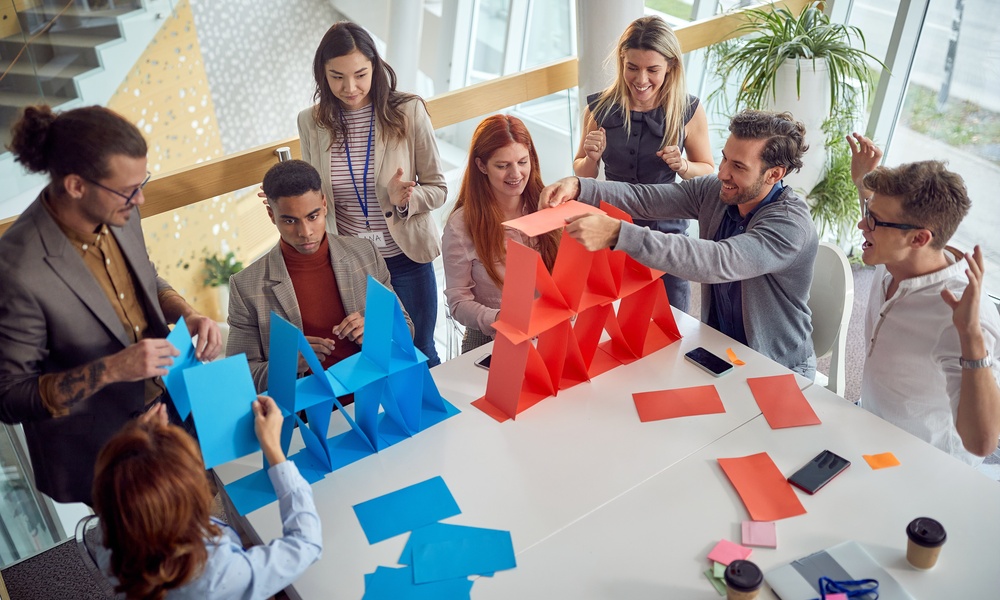
Company events provide opportunities for employees to interact outside of their usual responsibilities. However, bringing colleagues together doesn’t create meaningful connections. Some employees may remain within familiar groups, while others might struggle to participate in activities that lack clear purposes.
Offering a little friendly competition is a practical way to address these challenges. Structured games, team challenges, and recreational contests encourage employees to communicate, collaborate, and engage with colleagues whom they might rarely encounter during their workdays.
Understanding why friendly competition works at company events can help organizations design gatherings that strengthen workplace relationships while providing enjoyable experiences for participants.
Competition Encourages Participation
Traditional company gatherings often rely on informal conversations or presentations to keep attendees engaged. These formats have value, but they may not encourage everyone to participate equally.
Competitive activities introduce specific objectives that give employees reasons to get involved. Rather than waiting for conversations to develop naturally, participants can focus on completing tasks, answering questions, or contributing to team challenges. This structure can be particularly helpful when employees from different departments attend the same event.
Participation also becomes easier when activities accommodate different interests and abilities. Offering several competition formats allows employees to choose experiences that match their comfort levels. The objective should be encouraging involvement rather than pressuring everyone to compete.
Shared Challenges Strengthen Teamwork
Effective teamwork depends on communication, trust, and the ability to coordinate individual contributions. Friendly competitions create opportunities to practice these behaviors outside formal workplace responsibilities.
Competitive challenges can also encourage employees to appreciate different approaches to solving problems. When participants work toward a shared objective, individual success becomes connected to the group’s performance. These experiences can reinforce cooperative behaviors that support everyday collaboration.
Friendly Competition Breaks Down Workplace Barriers
Workplace hierarchies and departmental divisions sometimes limit informal interaction. Employees may communicate primarily with their immediate supervisors or with colleagues who share similar responsibilities.
Company competitions can temporarily change these established patterns. When managers and employees participate in the same recreational activities, they have opportunities to interact without focusing exclusively on professional authority or performance expectations. Mixed-department teams can also introduce employees who would otherwise have limited contact.
Organizations can encourage these connections through several approaches:
- Assigning participants to teams across departments
- Rotating team members between different challenges
- Selecting activities that require a variety of skills
- Encouraging cooperation between employees with different experience levels
These arrangements help employees develop familiarity with colleagues throughout the organization.
Positive Competition Can Improve Employee Engagement
Employee engagement involves more than participation in workplace activities; it also reflects employees’ relationships with their work, colleagues, and organization. Well-designed company events can contribute to a positive workplace experience by providing opportunities for recognition, connection, and shared enjoyment.
Competition introduces an element of anticipation that can make these gatherings more engaging. Employees may become invested in their team’s progress, celebrate successful efforts, or encourage colleagues during challenging moments.
Importantly, the competitive atmosphere should emphasize participation and shared achievement rather than individual superiority. When employees feel respected regardless of the outcome, competitive activities are more likely to support positive interactions.
Recognition Makes Participation More Meaningful
Recognition is an important component of successful company competitions. Participants appreciate having their contributions acknowledged, particularly when they have invested time and effort in an activity. Recognition can extend beyond identifying the highest-scoring individual or team—organizers can acknowledge collaboration, creativity, persistence, and supportive behavior alongside competitive results.
Thoughtful rewards can also contribute to the experience. For example, fun prize ideas for a casino night event can recognize participants during recreational competitions without making the prizes the central attraction.
Recognition works best when rewards remain proportionate to the occasion. Excessively valuable prizes may encourage participants to prioritize winning over positive interaction. Modest rewards, public acknowledgment, and team recognition can preserve the recreational atmosphere. The goal is to make employees feel appreciated without creating unnecessary pressure.
Inclusive Activities Make Competition More Effective
Not every employee enjoys competitive situations. Some individuals prefer collaborative activities, while others may have accessibility needs that influence their abilities to participate.
Successful company events account for these differences during the planning process. Organizers should consider physical accessibility, communication preferences, and varying levels of comfort with public attention. Activities should also avoid placing employees at a disadvantage because of physical ability, specialized knowledge, or unfamiliarity with particular games.
Offering multiple participation options can make the experience more welcoming. For instance, employees might choose between a knowledge-based challenge, a collaborative puzzle, and a recreational strategy game.
Participation should remain voluntary, and employees who prefer observing should still feel included. Inclusive planning ensures that competition supports workplace relationships rather than reinforcing existing divisions.
Healthy Competition Requires Clear Boundaries
Competition can become counterproductive if participants feel embarrassed, excluded, or pressured to succeed. Organizations should establish expectations before activities begin. Rules should explain how participants earn points, how winners are determined, and what conduct is appropriate throughout the event. Facilitators should also discourage personal criticism, aggressive behavior, and attempts to undermine other teams.
Maintaining a positive atmosphere requires balancing competitive excitement with mutual respect. Event organizers can reinforce this balance by emphasizing teamwork, celebrating good sportsmanship, and responding promptly if activities become uncomfortable. Clear boundaries help participants understand that the competition exists for recreation and connection.
Memorable Experiences Can Strengthen Workplace Connections
Shared experiences often give employees something to discuss after an event concludes. A challenging puzzle, an unexpected comeback, or a successful group effort can become a positive reference point in future conversations. These memories may help colleagues feel more comfortable approaching one another during ordinary work activities, too. When employees associate company gatherings with respectful, enjoyable interactions, this can contribute to a sense of belonging.
Nevertheless, the lasting value of an event depends on how the organization maintains those relationships afterward. Encouraging cross-department collaboration and continuing to recognize cooperative behavior can reinforce the connections established during recreational activities.
Ultimately, friendly competition works at company events because it creates structured opportunities for interaction, cooperation, and shared accomplishment. When organizations prioritize inclusion and mutual respect, competitive activities can become meaningful additions to broader efforts to build a more connected workplace.
