
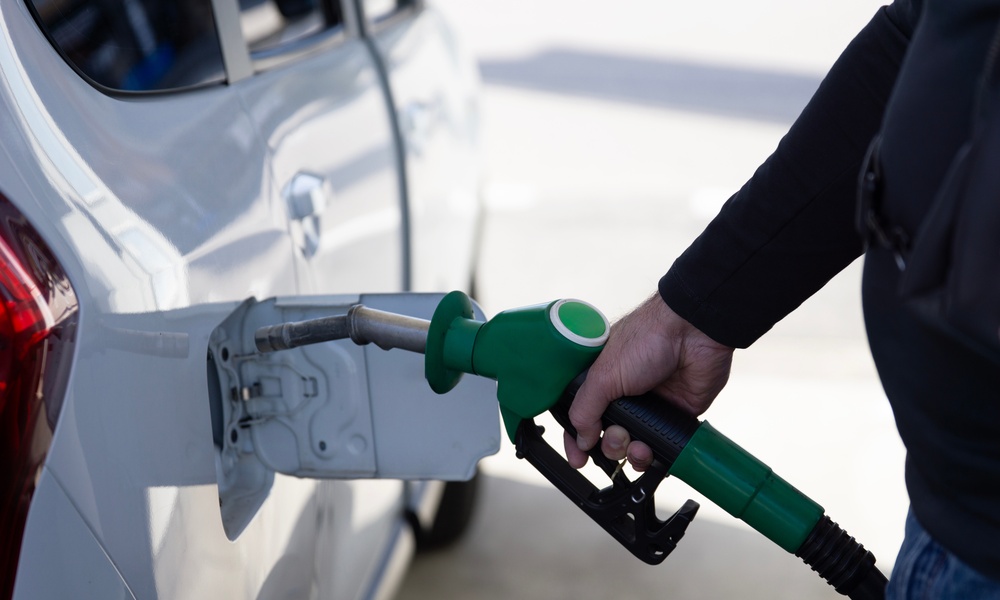
A drop in gas mileage can be frustrating when nothing seems wrong under the hood. The vehicle still handles like usual, yet the numbers at the pump begin to tell a different story. Why fuel economy changes without an obvious cause has less to do with one dramatic problem and more to do with subtle changes that slowly affect performance. A quiet shift is what makes fuel loss harder to catch before it becomes expensive.
Tire Pressure and Rolling Resistance
Low tire pressure is one of the easiest problems to miss because the vehicle can still seem perfectly drivable. Even so, softer tires create more rolling resistance, which forces the engine to work harder to maintain speed. The added strain becomes more noticeable during highway driving, where steady momentum matters most. In many cases, a gradual drop in mileage starts with overlooked basics, including the importance of regularly checking your tire pressure as part of routine vehicle maintenance.
Airflow and Combustion Efficiency
A fuel-efficient engine depends on a balanced air-to-fuel mixture, so any restriction in airflow can affect performance. A dirty air filter or a sensor reading slightly off target can disrupt combustion without causing obvious drivability problems. Consequently, the engine may burn more fuel to produce the same output it delivered before. Over time, that imbalance can quietly reduce efficiency long before a warning light appears.
Changes in Driving Conditions
Fuel economy can shift even when the vehicle itself has not developed a major defect. Colder temperatures, stronger winds, rougher pavement, and heavier traffic all increase engine load and reduce efficiency during normal trips. At the same time, short drives keep the engine from reaching its ideal operating temperature, resulting in less efficient fuel use. Even a slightly longer warm-up period in seasonal weather can change overall mileage enough to raise concern.
Hidden Drag From Wear and Maintenance Delays
Small maintenance issues create enough resistance to affect fuel use without producing immediate symptoms. For example, worn spark plugs or old engine oil can make the powertrain work harder than necessary. Meanwhile, that extra effort does not always feel dramatic from behind the wheel, especially when the change happens gradually. A drop in fuel economy reflects accumulated wear rather than one obvious breakdown.
Fuel efficiency does not always disappear in dramatic ways, which is why small changes can be easy to dismiss at first. Over time, why fuel economy changes without an obvious cause comes down to how long those subtle problems go unchecked. A vehicle that uses more fuel than usual is rarely doing so without reason. Even when the cause is not immediately visible, the change itself should never be ignored.
