
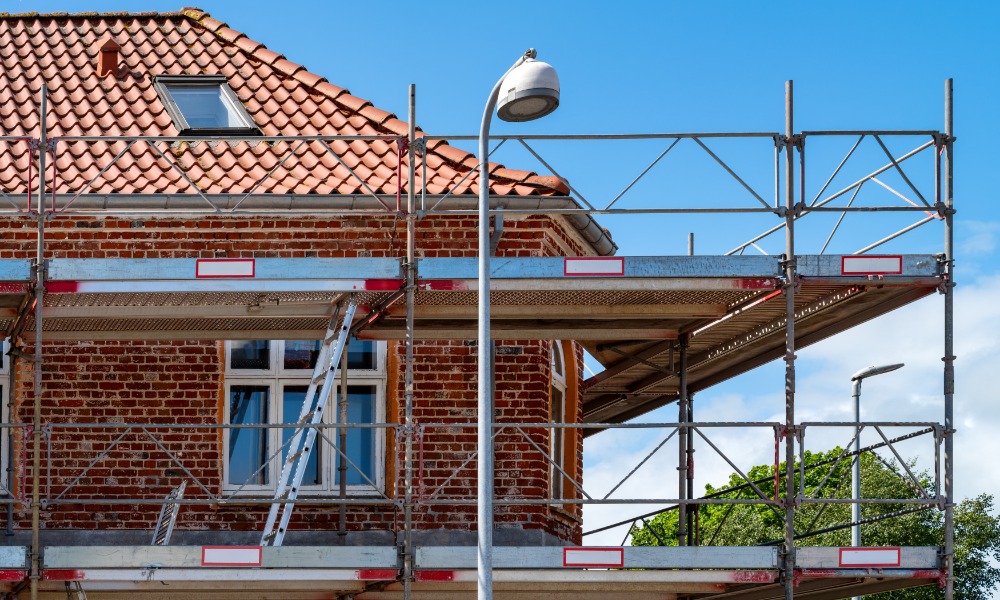
Historic buildings preserve architectural craftsmanship and cultural identities that many modern structures can’t easily replicate. Therefore, renovating historic properties often involves far more than repairing damaged walls or updating outdated systems. Every modification must account for aging materials, structural limitations, preservation requirements, and modern safety standards.
Understanding why historic building renovations are so complex requires examining the challenges that distinguish preservation projects from conventional construction. From unexpected structural problems to strict regulatory oversight, these renovations demand specialized knowledge, careful coordination, and considerable flexibility.
Aging Structures Can Present Unexpected Challenges
One of the greatest difficulties in renovating historic buildings involves determining their structural conditions. Many older properties were constructed using materials and techniques that differ significantly from contemporary building practices. Plus, through decades or centuries, foundations settle, wooden supports deteriorate, and masonry develops weaknesses. Previous repairs may conceal underlying problems, making accurate assessments difficult.
Common structural concerns include:
- Foundation movement: Uneven settling can cause cracks, misaligned openings, and weakened load-bearing elements.
- Timber deterioration: Moisture, insects, and fungal decay can compromise original wooden components.
- Masonry damage: Aging mortar and weather exposure can weaken brickwork and stone structures.
- Corroded metal: Older steel and iron components may experience significant deterioration.
These conditions often become apparent only after construction begins. Consequently, contractors must remain prepared to adjust their plans if unexpected damage emerges.
Preservation Requirements Can Restrict Renovation Options
Historic properties frequently operate under preservation regulations intended to protect the structures’ architectural and cultural significance. Depending on the building’s designation and location, these requirements may govern exterior modifications, material replacements, and certain interior alterations.
For example, replacing deteriorated windows with modern alternatives may be prohibited if the original design contributes to the property’s historic character. Contractors might instead need to restore the existing windows or commission historically appropriate replacements. These restrictions create an important balance between maintaining historical authenticity and ensuring that the building remains functional.
Architects and contractors must understand which elements require protection before developing renovation plans. Failing to obtain the necessary approvals can result in delays, additional expenses, or requirements to reverse unauthorized modifications.
Modern Building Codes Can Complicate Historic Preservation
Building regulations have evolved considerably since many historic structures were constructed. Today’s requirements address fire protection, accessibility, structural safety, electrical systems, and numerous other concerns. Bringing older buildings into compliance can prove challenging when modern upgrades conflict with original architectural features.
For instance, installing an elevator may require modifying existing floor layouts or creating new structural openings. Similarly, introducing contemporary fire suppression systems can involve routing pipes through historically significant ceilings and walls. Accessibility improvements present additional considerations, particularly when entrances feature staircases or narrow passageways.
Identifying solutions that respect historical features and contemporary requirements requires close collaboration among preservation specialists, building officials, engineers, and architects.
Moving Heavy Materials Requires Specialized Planning
Historic renovations frequently involve transporting substantial construction materials or repositioning heavy structural components within confined spaces. Contractors may need to move stone elements, mechanical equipment, structural beams, or delicate architectural features without damaging the surrounding materials. But unlike modern construction sites, historic properties may lack convenient equipment access, reinforced floors, or sufficient clearance for large machinery.
Operations can become particularly complicated in earthquake-prone regions, where equipment stability and structural movement require additional consideration. For instance, seismic zones present rigging challenges that require site-specific precautions and careful engineering for lifting operations.
Before moving heavy components, specialists must evaluate load capacities, available access routes, temporary supports, and potential vibration effects. Even seemingly straightforward equipment installations can require extensive preparation if the surrounding structure can’t tolerate conventional construction methods.
Outdated Infrastructure Can Create Additional Complications
Many historic buildings contain electrical, plumbing, heating, and ventilation systems that no longer meet modern expectations. Upgrading these systems is essential for improving safety, comfort, and operational efficiency.
However, integrating contemporary infrastructure without disturbing the original architectural elements presents considerable challenges. Older buildings may have limited wall cavities, unusual floor configurations, or fragile decorative finishes that restrict where pipes and wiring can be installed. Electrical upgrades may require replacing outdated wiring while preserving ornamental plasterwork. Plumbing improvements can involve navigating aging drainage systems and installing new supply lines through densely constructed spaces.
Heating and cooling upgrades introduce similar difficulties. Large ductwork may be incompatible with original ceiling heights or interior layouts. Engineers must often develop customized solutions rather than relying on standard installation practices.
Hazardous Materials Demand Careful Management
Historic properties may contain construction materials that are now recognized as potential health hazards. Lead-based paint and asbestos-containing materials are particularly important considerations in older buildings. Their presence can complicate demolition, restoration, and routine construction activities.
Before disturbing potentially hazardous materials, qualified professionals may need to conduct inspections and collect samples for laboratory analysis. If hazardous substances are identified, appropriate containment, removal, or management procedures become necessary. These measures protect workers and occupants.
However, they can also affect project schedules because certain activities can’t proceed until the required safety procedures are completed. Regulatory requirements vary by jurisdiction and the nature of the work, making professional assessment essential.
Matching Original Materials Requires Specialized Craftsmanship
Another reason why historic building renovations are so complex is that reproducing original construction materials and architectural details can be difficult. Many historic structures feature handcrafted elements that modern manufacturing methods rarely produce. Examples include decorative plaster moldings, custom woodwork, ornamental ironwork, carved stone, and distinctive masonry.
Replacing damaged features with contemporary materials may alter the building’s appearance or introduce compatibility problems. For example, using an excessively hard modern mortar on older, softer masonry can contribute to deterioration by changing how moisture and stress move through the wall. Preservation specialists must therefore evaluate material compatibility alongside visual authenticity.
Financial and Scheduling Uncertainty Can Complicate Projects
Historic renovation budgets are particularly vulnerable to unexpected expenses. Even comprehensive preliminary inspections can’t reveal every concealed defect. Contractors may discover damaged supports, abandoned utility systems, or previously undocumented construction details after opening the walls and floors. These discoveries may require design revisions, additional engineering assessments, or changes to construction schedules.
Project managers should establish realistic contingency allowances and maintain clear communication among stakeholders. Phased construction schedules can help teams address discoveries systematically while protecting completed restoration work.
However, maintaining flexibility is equally important. Rushing decisions to recover lost time can increase the risk of damaging irreplaceable architectural elements.
Balancing Modern Functionality With Historical Character Can Be a Challenge
Perhaps the most demanding aspect of historic renovation involves reconciling contemporary expectations with preservation priorities. Building-owners often want improved energy efficiency, accessibility, comfort, and functionality. Yet achieving these improvements without compromising historically significant features requires thoughtful design.
Not every original component can remain untouched, particularly when safety or structural stability is involved. The objective is to identify which features define the building’s character and determine how necessary improvements can be integrated with minimal disruption. These projects demand solutions that accommodate modern activities while retaining meaningful connections to the property’s history.
Why Careful Planning Matters for Historic Renovations
Historic building renovations bring together structural engineering, architectural preservation, regulatory compliance, specialized craftsmanship, and detailed project management. Each property presents a unique combination of physical conditions and historical significance. Thorough investigations, realistic budgets, experienced professionals, and flexible schedules can reduce unnecessary complications.
Although these projects often demand greater resources and patience, careful restoration allows historic buildings to remain useful while preserving the architectural and cultural heritage they represent.

 The World Beast

