
Discover why TheChive is so popular in the U.S., from its unique internet culture and loyal fan base to viral content and community appeal.
Introduction
The U.S. digital media landscape is crowded, competitive, and constantly evolving. Yet despite the rise and fall of countless viral platforms.
TheChive has managed to maintain a strong and loyal following for more than a decade. This naturally raises an important question: why is TheChive website so popular in the U.S.?
The answer lies in a carefully balanced mix of community loyalty, viral content strategy, cultural timing, and user-focused design.
What Is TheChive?
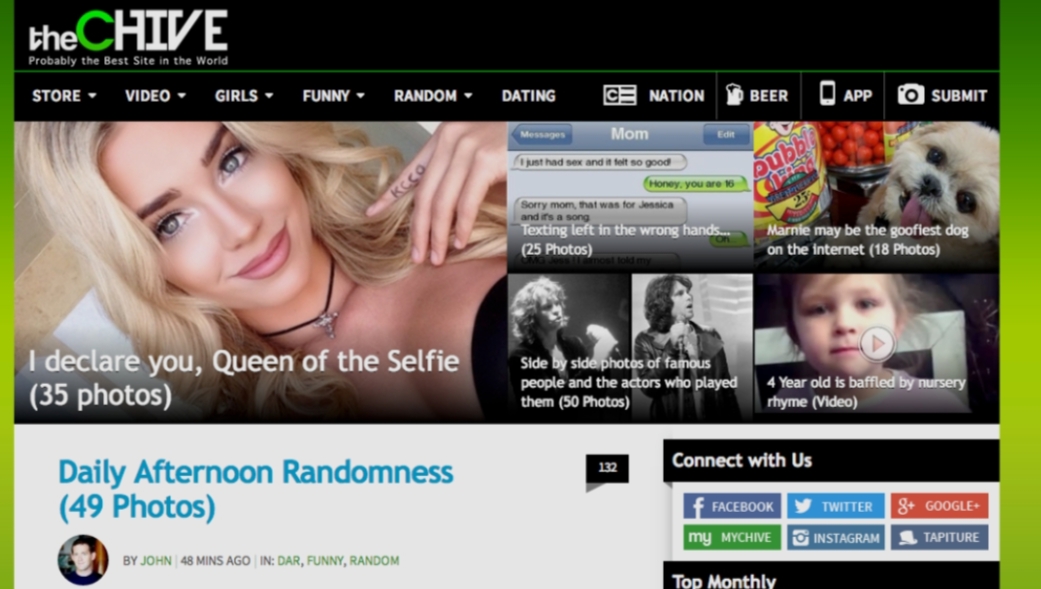
Founded in 2008, TheChive is a U.S.-based digital media website best known for viral images, memes, humor, lifestyle content, and light commentary.
Unlike traditional news outlets, TheChive focuses on content that is easy to consume, emotionally engaging, and highly shareable.
Over time, it has evolved from a simple humor blog into a recognizable digital brand with millions of monthly U.S. visitors.
Why TheChive Is So Popular in the U.S.
1. Content That Matches American Internet Culture
TheChive’s success begins with understanding its audience. The platform caters heavily to U.S. internet culture, including humor styles, pop culture references, military appreciation, sports fandom, and everyday relatability.
According to Pew Research Center, Americans prefer quick, visual content during leisure browsing, a preference that aligns directly with TheChive’s format.
2. Strong Sense of Community
One of the biggest reasons TheChive remains popular is its community-first approach.
Loyal users, often referred to as “Chivers,” don’t just consume content—they identify with the brand.
The site consistently reinforces community values through:
- User-submitted content
- Comment-driven engagement
- Charitable initiatives like Operation Chive
This emotional investment keeps users returning, even as social media algorithms shift.
3. A Viral Content Strategy That Works
TheChive understands virality better than most competitors. Its content is:
- Image-driven
- Emotionally reactive (humor, nostalgia, shock, pride)
- Designed for scroll behavior
According to SimilarWeb traffic insights, viral platforms that prioritize visual engagement retain users longer—something TheChive has mastered.
4. Mobile-First User Experience
TheChive optimized early for mobile browsing, long before it became industry standard. Its clean interface, fast load times, and endless scroll format make it ideal for short attention spans.
This aligns with Statista data, which shows that most U.S. users consume digital media primarily via smartphones.
5. Monetization Without Breaking Trust
Unlike many content sites overloaded with intrusive ads, TheChive has focused heavily on brand-based monetization, including:
- Branded merchandise
- Sponsored content that matches audience tone
- Native advertising
This approach preserves user trust while sustaining profitability.
6. Cultural Timing and Longevity
TheChive emerged during the early rise of meme culture and adapted without losing its identity. While platforms like Tumblr or Vine faded, TheChive refined its niche instead of chasing every trend.
This strategic consistency is why it still holds relevance in today’s fragmented media environment.
Why TheChive Still Matters Today
Even in an era dominated by TikTok, Reddit, and Instagram, TheChive continues to attract a core U.S. audience that values:
- Familiar humor
- Community-driven platforms
- Content free from political overload
Its success proves that niche loyalty can outperform mass reach when executed correctly.
Conclusion
So, why is TheChive so popular in the U.S.?
Because it understands its audience, delivers consistent viral content, fosters community loyalty, and avoids over complication.
In a digital world chasing constant reinvention, TheChive thrives by doing one thing well—and doing it consistently.
Want more insights into viral websites, digital culture trends, and online media success stories?
Explore more expert analysis on TheWorldBeast.com and stay ahead of what’s shaping the internet.
