
Discover why most walk-ins don’t convert and learn proven strategies to improve customer engagement, increase trust and boost sales conversions.
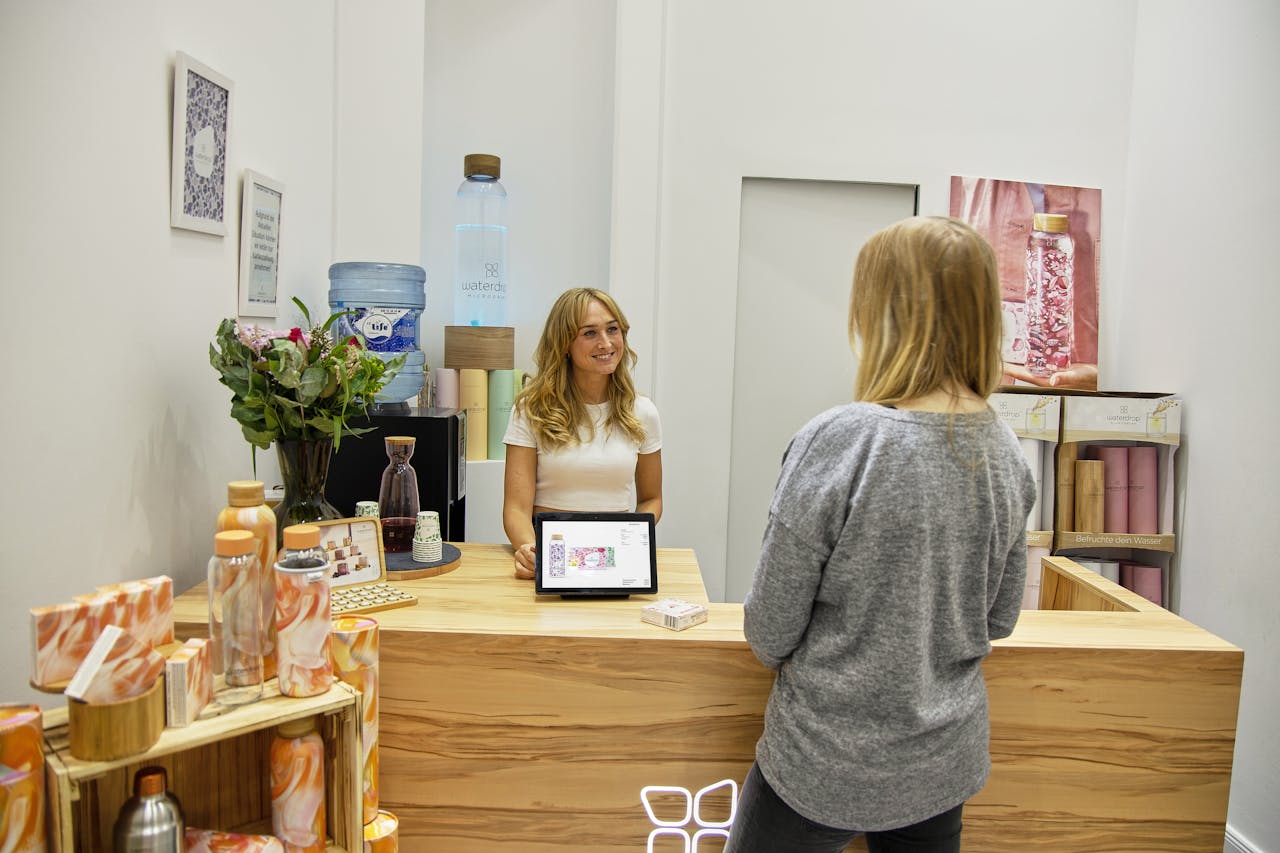
Most people in the various industries have a love-hate relationship with the walk-in type of advertisement.
On one hand, it’s the purest form of lead where a human being has literally driven to your physical location, parked their car, and walked through your front door. They have a problem, and you have the solution.
Even though it’s a direct pitch in a way, time and time again, these high-intent prospects walk back out the door without signing a lease, leaving us staring at a disappearing taillight and wondering what went wrong. But that may change in the future. Here is how.
The five-second trap
Behavioural research confirms that first impressions form within seconds. According to insights referenced by Harvard Business Review, customers evaluate environment, body language, and responsiveness almost instantly. If staff fail to acknowledge a visitor immediately, it creates a perception of neglect.
This lack of immediate engagement remains a leading cause of lost conversions.
Humans make snap judgments; that’s a fact. Before you even open your mouth to say “Hello,” the prospect has already processed the smell of the office, the lighting, and your body language.
If you’re buried in a spreadsheet and don’t look up immediately, you’ve signaled that your paperwork is more important than their problem.
One of the main reasons walk-ins don’t convert nowadays is a lack of immediate engagement.
In the storage world, for instance, so-called speed to lead usually refers to how fast you call back a web inquiry, but it applies to the front desk, too.
If the manager is on the phone or in the back, and the customer is left standing there, their anxiety levels spike. They start looking for reasons to leave. That’s something to think about.
Create hospitality hubs
If your office feels like a sterile DMV waiting room, you’ve already lost the emotional battle. To truly welcome customers, your space needs to feel organized and intentional.
This is where a sleek, well-placed brochure holder becomes a silent hero, offering helpful guides and pricing at a glance so the customer feels informed and cared for the second they step inside.
Converting a walk-in requires shifting from a transactional mindset to a hospitality mindset, ensuring every small detail signals that their prized possessions will be safe in your care.
Sell space, buy solutions
One of the most common mistakes managers make is jumping straight into the features list. The customer doesn’t care about your gate access yet.
They care that their vintage furniture doesn’t mold. They care that they can get their trailer in and out without scratching it.
When you lead with price and size, you turn your service into a commodity. And when you’re a commodity, the customer will almost always leave to “shop around” for a better price.
To flip the script, you have to ask “Why?” as in: What brings you in today? What are you planning to store?
How long do you think you’ll need the space?, etc. By the time you get to the price, based on those “whys,” you’d be able to highly recommend precisely what they need because you won’t be selling a box; you’re selling peace of mind.
The twisted tour
If your idea of a facility tour is handing someone a map and pointing toward the elevators, you are essentially asking them to talk themselves out of the sale.
A walk-in is an invitation to show off. A human-like sales approach involves walking with them.
Show them the path they’ll take to their unit, let them see how clean the hallways are. While you’re walking, talk to them.
This is where the rapport is built. If they mention they’re moving because of a job transfer, talk about the neighborhood. If they’re stressed about the move, mention the moving truck transition area.
When you get to the unit, don’t just stand in the doorway. Step inside. Show them how high the ceilings are.
Use a visualizing technique, and once they can see their stuff in the space, they’ve mentally moved in. It’s much harder to walk away from a space you’ve already occupied in your mind.
The price objection dilemma
Price objections rarely reflect cost alone. According to Forbes Business Insights, customers question value more than price. A “shopping around” response often signals uncertainty rather than rejection.
The price and spending more than they have planned are what most managers have to cope with. Something like the common need to shop around the line is rarely about the $10 difference between you and the guy down the street.
It’s usually a polite way of saying they don’t want to spend the money on that, or they don’t think something is valued as much as you offer. Period. Hence, instead of dropping the price, reinforce the value.
A great way to handle this is to incorporate the feeling method. Tell them you understand how they feel about the price, and many of our tenants felt the same way when they first visited, but what they found was that the time they saved with our easy-access drive-up units was worth far more than the few extra dollars a month.
Closing without the cringe
Many people fail to convert walk-ins simply because they never actually ask for the business. They finish the tour, walk back to the office, and inform the customers to reach out should they have any questions. Well, that’s a death sentence for a sale.
Instead, assume the sale,k predict what the customers would say or do, and get straight to the businesses. Let’s face it, most people are looking for someone to take the lead.
Moving is a series of a thousand decisions. That’s why when you ask for the lease, you are removing one more decision from their plate. And don’t fear as you aren’t being pushy, you’re merely being helpful.
Missing the follow-up
Even the best managers won’t close 100% of walk-ins on the spot. Sometimes, a spouse needs to see the space, or the moving date isn’t set.
This is where most storage facilities fail. They let the prospect walk out, and the lead goes cold. If they leave without signing, you must get their contact info.
Not in a way to sign your guestbook, but directly telling them you’ll send them a quote and give them a direct number. Then call them 24 hours later.
You need to act fast, especially if you spot interest, and don’t worry if that looks too immediate. Such a level of personal attention is so rare in the big world of storage that it almost guarantees a conversion.
Wrapping it up
At the end of the day, walk-ins don’t convert because they don’t feel a connection. They tend not to convert as they feel like a number in a queue or a task on a manager’s checklist.
If you can treat every person who walks through that door like a neighbor who needs a hand, your closing ratio will skyrocket.
So, clean the office, get the clutter off the desk, find a quality wall brochure holder to display, walk the property with enthusiasm, and most importantly, listen more than you talk.
Struggling with low walk-in conversions? Start applying these proven strategies today and turn every visitor into a potential customer. Discover more expert insights on The World Beast.
