
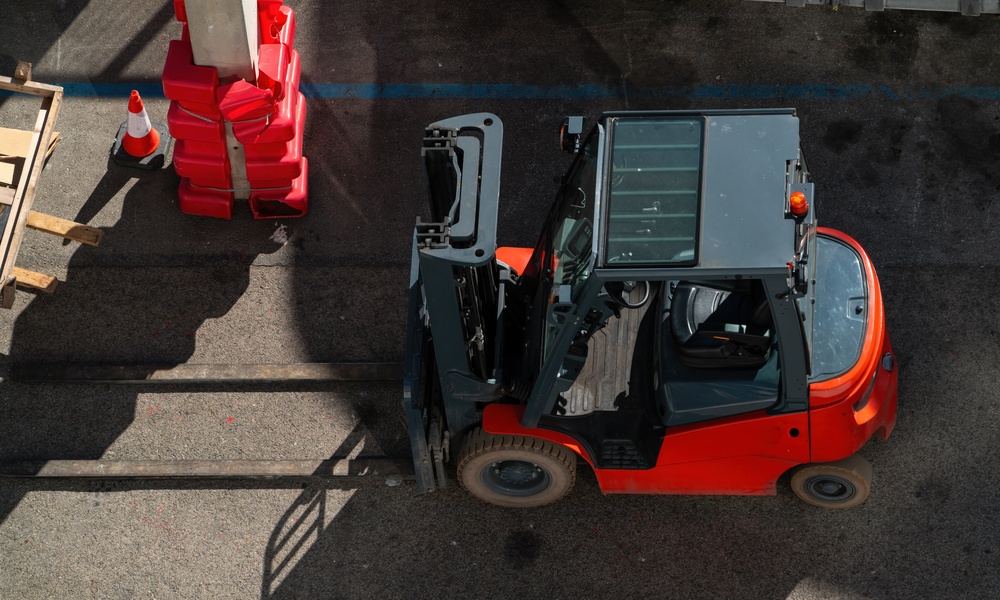
Heavy equipment reacts to small imbalances long before anything breaks. Those early signs get ignored when timelines take priority, and that’s where problems begin. Proper load support for equipment transport prevents a minor shift from turning into a costly disruption.
You’re not just moving weight; you’re managing force and motion at the same time. Without the right support underneath, everything above becomes unpredictable.
The Hidden Cost of Poor Load Distribution
Uneven support doesn’t always look dramatic at first. A load may appear secure while internal stress builds across weak points. Over time, that stress leads to structural fatigue or unsafe working conditions.
Transport crews feel the impact immediately. They adjust constantly, compensate for instability, and lose control over precision. That loss of control slows progress and raises the chance of error in ways that compound quickly.
What Proper Load Support Actually Changes
Strong support systems keep the load balanced and responsive during movement. When that foundation holds steady, everything else follows more predictably.
You’ll notice the difference in how equipment behaves. It doesn’t drift or resist adjustments. It responds the way it should, allowing crews to stay focused.
- Maintains consistent weight distribution across all contact points
- Reduces unnecessary strain on structural components and joints
- Improves handling precision during lifting, shifting, and placement
- Supports safer coordination between operators and ground crews
These changes reshape how the entire operation unfolds from start to finish.
Where Support Meets Real-World Conditions
In these situations, small adjustments matter. Extending contact points or reinforcing balance can prevent issues before they start. In more complex unloading scenarios, fork extensions improve control when longer loads require consistent contact across a wider base.
Every adjustment builds toward a more stable outcome. Without those changes, risk continues to build under the surface.
Why This Still Gets Overlooked
You’d expect load support to be a central part of every transport plan, but it often gets pushed aside. Crews lean on experience and assume the load will hold, moving forward without fully addressing balance.
When support fails, it exposes every shortcut taken earlier in the process. At that point, recovery costs more than prevention ever would.
The reasons for proper load support in equipment transport become clear in those moments. It’s about creating conditions where failure never gains traction.
Moving Forward With Control
Better outcomes come from building stronger foundations. When load support gets the attention it deserves, everything else starts to align with it.
Think about the last time a project didn’t go as planned. Chances are, instability played a role somewhere along the line. Addressing it changes the entire trajectory.
What you support determines what you control. Once you see that connection, you won’t approach equipment transport the same way again.
