
A ceiling stain that darkens during the next storm can raise doubts about a roof repair. Before paying for another patch, ask what the first repair addressed. The roofer may have closed one opening while rain continued to enter through another. Or the first inspection may have focused on the roof directly above the stain while the water entered farther upslope.
The route water takes helps explain why roof leaks can keep coming back after a repair. The stain marks where moisture reached the ceiling. The timing of the leak and the marks it leaves above the ceiling can help a roofer work back to where it started.
Water Travels Before It Drips
Once rain slips beneath a roof covering, it can follow a rafter or run along the underside of the roof deck. It may drip onto the ceiling several feet from the opening. A patch directly above the damp spot can miss the leak even when the shingles in that area show wear.
Ask the roofer to compare the interior stain with any water marks along the framing. A streak that runs upslope toward a vent gives the roofer a place to look, while dampness along an outside wall may point toward the junction between the wall and the roof. Old stains can complicate the search. Wood can retain a stain after it dries, and the edge of a ceiling stain can stay visible long after the leak stops. Take a dated photo when the spot looks dry. If the stain grows or darkens during another storm, a second photo can show where the change began.
Flashing Can Fail Beneath Sound Shingles
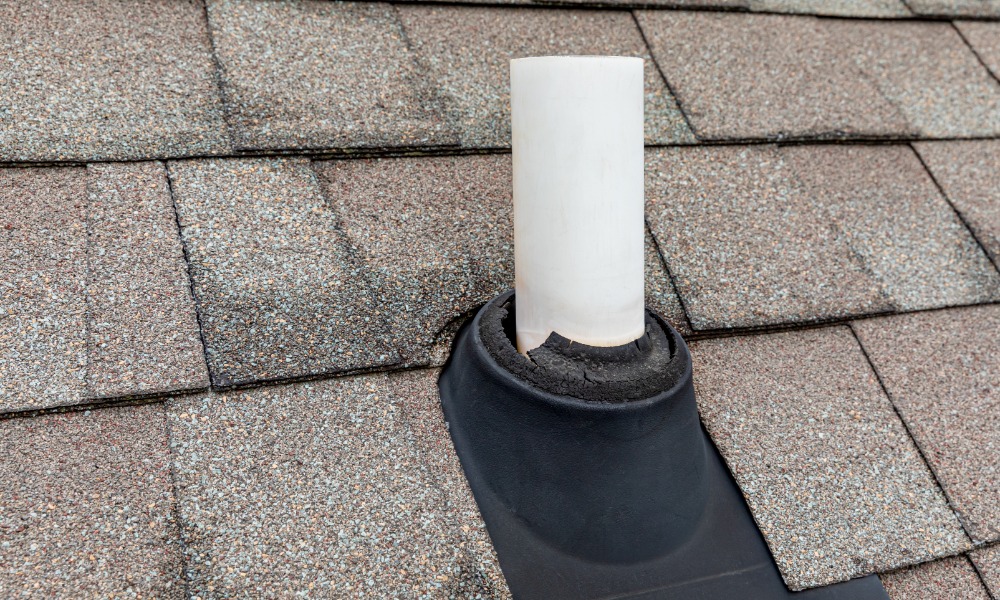
Flashing directs water away from openings and joints in the roof. Around a vent pipe, a rubber collar fits against the pipe and closes the gap where it passes through the roof. As the collar ages, it can crack or pull away from the pipe. Rain can slip through that opening while the surrounding shingles still look sound. Replacing shingles around the vent leaves the gap in the collar open.
At a roof-to-wall junction, pieces of step flashing overlap with rows of shingles and guide runoff down the slope. At the bottom, kick-out flashing directs that water away from the wall. If that piece is missing, runoff can slip behind the siding and leave a stain indoors below the roofline. A roofer may need to lift part of the siding to see where the water bypasses the flashing. Ask how the repair will direct runoff once it reaches that joint.
Weather Can Narrow the Search
Several dry days after a repair tell you little about how it will hold up in the conditions that first brought water inside. Even light rain may leave the ceiling dry if the leak starts only when wind pushes rain against one side of the house. On a low-slope roof, the timing may depend on how quickly water can drain.
What to Tell the Roofer
- Rain from one direction: Tell the roofer which side of the house faced the wind. Wind-driven rain can reach an upper-story window or a roof-to-wall joint that stays dry in lighter weather. Water entering the wall can leave a stain that resembles a roof leak.
- Moisture late in a long storm: Ask the roofer to check the drains and nearby seams on a low-slope roof. A blocked drain can leave water standing over a gap in the roofing membrane long after the rain eases.
In snowy climates, pay attention to what happens during a thaw. Snowmelt can refreeze at the colder edge of the roof and form an ice dam. Water can collect behind the ice and work its way under the shingles. If the ceiling gets wet during a thaw, tell the roofer where snow or ice collected. That pattern gives the roofer a reason to check the roof edge near the damp area.
If a stain grows while the weather stays dry, mention that detail, too. A plumbing leak can wet a ceiling with no rain outside. In cold weather, warm, humid indoor air can also reach the attic and condense on the underside of the roof deck. The droplets may fall onto the ceiling, leaving a mark that looks much like rainwater damage.
One Repair Can Miss a Second Leak
A roofer who replaces a cracked vent collar may stop the drips that follow an ordinary shower. If a nearby wall joint still admits water during a heavier storm, the same room can get wet again. Two routes into the building help explain why roof leaks keep coming back after repair, even when the first fix holds.
Pull out the invoice before you call about the leak. If it says only “sealed roof leak,” ask which opening or joint the roofer worked on. Compare the timing before and after the visit. If the ceiling used to drip in light rain and now gets damp only during long storms, that difference gives the roofer a reason to look beyond the original repair. If an inspection leaves the source unclear, a professional may apply water to one small area at a time while someone watches for moisture inside.
When a Local Repair Makes Sense
A sound roof with one failed vent collar may need only a local repair. When the roofer finds leaks in separate sections of an aging roof, ask how the materials look between those areas. Widespread wear and deterioration beneath several sections can count among the signs it’s time to replace your roof.
Ask the contractor to point out damage that a local repair would leave behind and describe how the proposed work will stop water from entering. If the inspection points to an upstairs window or a damaged wall joint, ask who will address that part of the job. A roofing estimate may cover the shingles and leave the window work to another contractor.
Confirm what each contractor will handle before the work starts. If the roofer needs to remove siding or lift roofing to check for hidden damage, ask what they can confirm now and what may change once they open the area.
Before the job ends, ask for a photo of the repair and a short description of what the crew found. Keep both alongside your photos of the ceiling. If the stain darkens again, you can show the roofer where the crew worked and compare the new stain with your earlier photos.
