
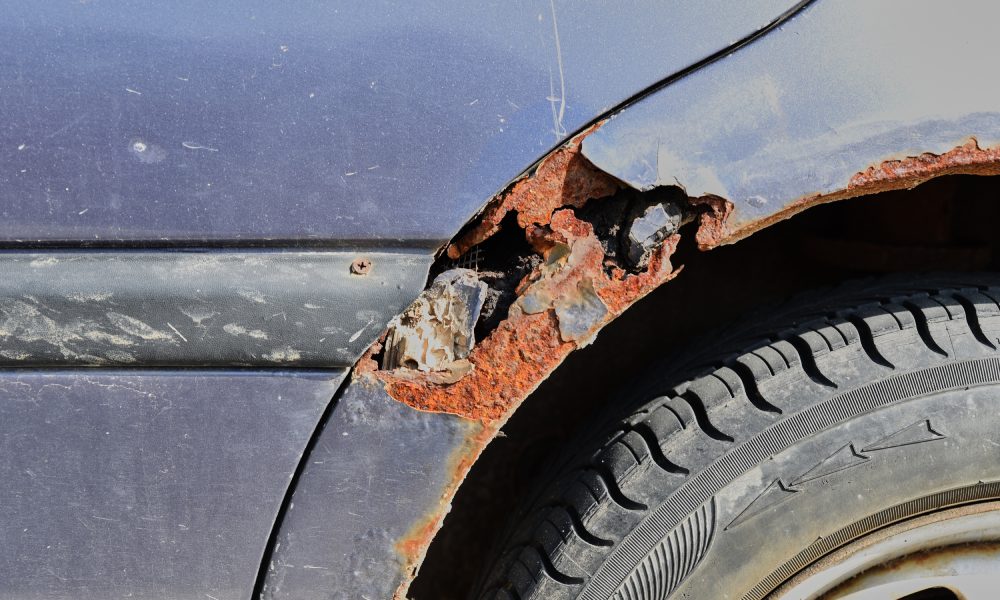
Rust doesn’t look like a big deal at first glance, but it can turn into a serious problem before you know it. A small spot on a door or undercarriage can grow into damage that affects safety and performance. If you want your vehicle to last, take rust seriously from the start. Stay proactive by diving into this quick breakdown of why rust is so harmful to your car.
How Rust Starts and Spreads
Rust forms when metal reacts with moisture and oxygen, which leads to corrosion. Road salt speeds up that process, which is why vehicles in colder climates face more risk. Once rust begins, it doesn’t stay in one place. It spreads beneath paint and along seams, which creates hidden trouble you may not notice right away.
A small chip in the paint can expose bare metal. That tiny opening gives rust the chance to grow under the surface. Over time, the affected area weakens and expands, which turns a minor cosmetic issue into structural damage.
Damage Beyond Appearance
At first, rust may seem like a surface-level concern. The real trouble shows up when it reaches deeper parts of the vehicle. Panels can weaken, and support structures may lose strength. That kind of damage can affect how your car handles on the road.
Rust doesn’t stop at the body either. It can reach brake lines, suspension components, and electrical connections. For example, protecting connectors from moisture is one of the best practices for plug connector maintenance because it’s an issue that can spread quickly.
Rising Repair Costs
Rust rarely stays cheap to fix. A small repair might involve sanding and repainting, yet advanced corrosion can require panel replacement or welding. Labor costs climb quickly once rust spreads into structural areas.
Even worse, untreated rust can reduce the overall value of your car. Buyers notice corrosion right away, and many will walk away from a deal because of it. That means less money in your pocket when it’s time to sell or trade in.
Now that you know why rust is so harmful to your car, you can see that it’s not just about looks. It affects safety, reliability, and long-term cost. Take a close look at your vehicle and address any signs of corrosion right away.
