
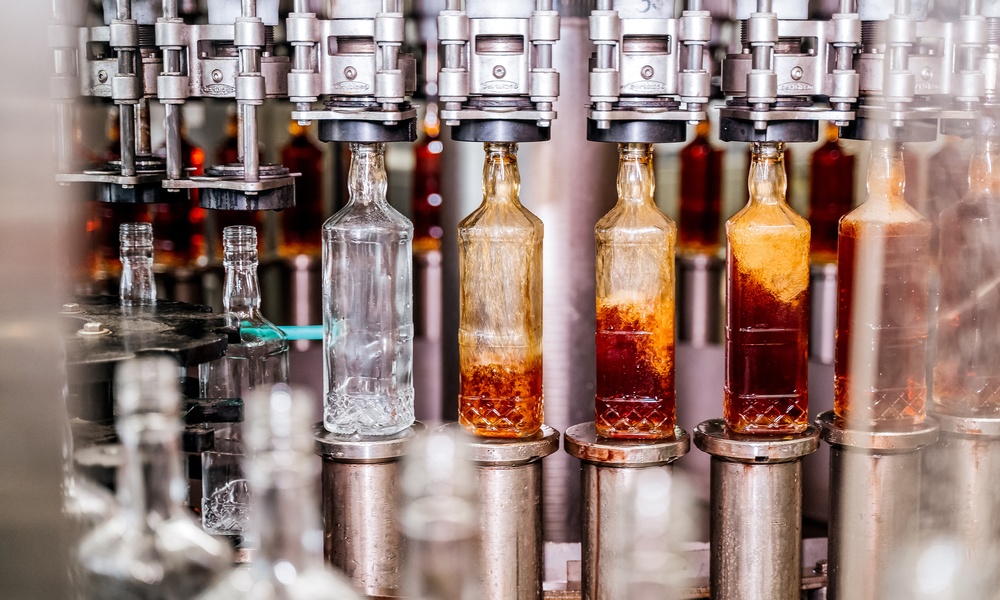
Beverage manufacturers work with ingredients that behave differently under pressure, heat, and mechanical movement. A production line that handles bottled water efficiently may struggle with thick fruit concentrates or protein-rich drinks, creating challenges that extend beyond ordinary mixing.
Examining why some beverage ingredients require specialized equipment reveals how ingredient properties influence machinery selection and manufacturing performance. Differences in viscosity and chemical composition can affect processing requirements, while certain formulations demand careful temperature control.
Manufacturers must evaluate these characteristics before selecting production equipment. Machinery that accommodates ingredient requirements can help maintain product consistency while reducing avoidable interruptions throughout the manufacturing process.
1. Thick Ingredients Require Specialized Mixing Systems
Viscosity describes a liquid’s resistance to flow, making it an important consideration when manufacturers process concentrated ingredients. Water moves easily through conventional piping, while thick fruit purees and syrups can place greater demands on pumping systems.
Standard mixers may struggle to distribute highly viscous ingredients evenly, particularly when formulations contain concentrated sweeteners or stabilizers. Inadequate agitation can create texture variations, affecting consistency between production batches.
High-torque mixers can provide the mechanical force necessary to blend thicker formulations, while positive-displacement pumps can move certain viscous products more predictably than conventional centrifugal pumps.
However, ingredient behavior can change during processing. Some formulations become thinner under mechanical agitation, while others develop greater resistance as temperatures decrease. Manufacturers must account for these changes when determining suitable mixing speeds and pumping capacity.
2. Beverages With Suspended Particles Need Gentle Handling
Fruit juices containing pulp and beverages with suspended ingredients introduce processing challenges that clear liquids rarely present. Larger particles can accumulate inside narrow passages, while prolonged storage may allow heavier ingredients to settle.
Aggressive mixing creates another concern because excessive mechanical force can damage delicate particles. A beverage containing recognizable fruit pieces may lose its intended texture if equipment breaks those pieces into smaller fragments.
Manufacturers often use controlled agitation and pumps with suitable internal clearances to accommodate these formulations.
Equipment Features That Support Particle Handling
- Appropriate pump clearances: Wider internal passages can accommodate larger particles while reducing blockage risks.
- Adjustable mixing speeds: Controlled agitation helps maintain ingredient distribution without unnecessary mechanical damage.
- Compatible filling systems: Equipment designed for particulate beverages can improve consistency when dispensing products into containers.
Particle size influences equipment requirements considerably. Finely suspended pulp may pass through conventional systems, while beverages containing larger fruit pieces often require specialized handling.
3. Acidic Ingredients Demand Compatible Equipment Materials
Acidic beverages can create material compatibility concerns, particularly when manufacturers use equipment that lacks sufficient corrosion resistance. Fruit juices and certain flavored drinks may gradually damage unsuitable surfaces during repeated processing.
Manufacturers frequently select appropriate stainless-steel grades for beverage-contact equipment because they resist corrosion under many operating conditions. However, chemical exposure involves more than the beverage itself.
Cleaning agents and processing temperatures can affect material performance, so compatibility assessments are important throughout equipment selection.
Engineered plastics also serve selected applications within beverage-processing machinery. Manufacturers may use suitable plastic materials for equipment guides or other components where operating conditions support their use.
When evaluating plastic materials for CNC-machined parts, engineers must consider chemical resistance alongside mechanical performance. A material that performs well in one processing environment may deteriorate when exposed to different cleaning chemicals.
Food-contact components must also satisfy applicable regulatory requirements, making careful material selection an important part of hygienic equipment design.
4. Dairy-Based Beverages Require Precise Temperature Control
Milk-based drinks and protein-rich formulations require careful temperature management because heat influences microbial safety and ingredient stability.
Manufacturers commonly use pasteurization equipment to reduce harmful microorganisms while controlling processing temperatures. However, excessive heat exposure can alter flavor or affect protein behavior, creating undesirable changes in the finished beverage.
Heat exchangers help manufacturers regulate thermal treatment, although the appropriate processing conditions depend on the formulation and applicable food safety standards.
Protein deposits can also accumulate on heated surfaces, reducing heat-transfer efficiency and increasing cleaning demands. Manufacturers must account for this possibility when designing processing schedules and maintenance procedures.
Temperature management continues beyond production. Some beverages require refrigerated distribution, while validated processing methods allow manufacturers to produce certain shelf-stable products.
5. Carbonated Beverages Depend on Pressure Management
Carbon dioxide creates the familiar bubbles in sparkling beverages, but maintaining consistent carbonation requires specialized pressure-control equipment.
Gas dissolves more readily in liquids under higher pressure and generally at lower temperatures. When processing conditions change, dissolved carbon dioxide can escape, producing excessive foam and affecting the finished beverage.
Carbonation systems regulate gas introduction under controlled conditions, while specialized filling equipment limits sudden pressure changes during packaging.
Without appropriate pressure management, manufacturers may experience product loss or inconsistent carbonation between containers.
Packaging materials also require attention because containers must withstand the pressures associated with the beverage’s intended storage conditions.
Pressure-rated equipment and suitable safety devices help manufacturers manage these operating demands while maintaining consistent production.
6. Heat-Sensitive Ingredients Need Carefully Managed Processing
Certain beverage ingredients change when manufacturers expose them to excessive heat. Some vitamins degrade during thermal processing, while delicate flavor compounds can lose characteristics that contribute to the intended product.
Manufacturers must balance ingredient preservation with microbial safety requirements, particularly when developing beverages containing sensitive components.
Specialized heat exchangers allow controlled heating and cooling, while some processing methods use brief exposure to carefully selected temperatures.
However, reducing heat exposure does not automatically provide adequate microbial control. Manufacturers must validate processing conditions according to the beverage formulation and intended storage requirements.
Careful equipment selection helps producers manage thermal exposure without compromising established food safety standards.
7. Hygienic Equipment Design Supports Reliable Production
Ingredient characteristics influence how easily manufacturers can clean processing machinery. Thick syrups may leave stubborn residues inside pipes, while protein-rich beverages can form deposits on heated surfaces.
Many beverage facilities use clean-in-place systems that circulate cleaning solutions through compatible equipment without requiring routine disassembly.
However, cleaning effectiveness depends on equipment geometry and operating conditions. Poorly designed connections may create areas where residues accumulate, increasing sanitation challenges.
Manufacturers should evaluate equipment accessibility and cleaning requirements alongside production performance. Appropriate hygienic design can support effective sanitation while reducing unnecessary maintenance interruptions.
Match Equipment Capabilities to Ingredient Requirements
Understanding why some beverage ingredients require specialized equipment helps manufacturers make informed decisions when developing formulations or expanding production capacity.
Ingredient characteristics influence machinery performance, from pumping requirements to temperature management. Equipment materials must also withstand the operating conditions and cleaning procedures associated with each beverage.
As manufacturers introduce products with increasingly varied formulations, careful equipment evaluation can help prevent avoidable processing difficulties. Matching machinery capabilities to ingredient requirements supports consistent quality and provides greater flexibility for future product development.
