
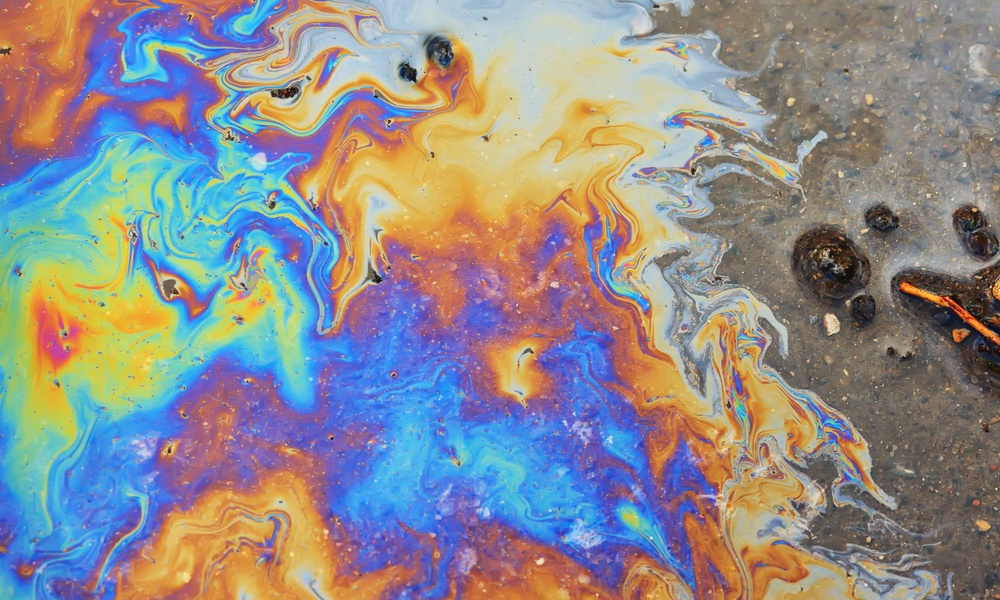
An oil spill can disrupt marine ecosystems long after the initial release. While some petroleum products disperse or evaporate relatively quickly, others cling to coastlines and resist conventional recovery methods. Even a well-equipped response team may struggle when environmental conditions prevent workers from reaching contaminated areas.
Examining why some oil spills are harder to clean than others requires looking beyond the amount of oil released. Petroleum composition influences how a spill behaves, while changing weather conditions affect how responders contain it. The surrounding environment also determines which cleanup methods can work without causing further damage.
Different Types of Oil Behave Differently
Petroleum products vary considerably in their physical properties. Light fuels generally flow more easily than heavy crude oil, although their rapid movement can create immediate environmental and safety concerns.
Lighter petroleum products often contain volatile compounds that evaporate relatively quickly. Evaporation may reduce the amount of oil remaining on the water’s surface, but it can also release hazardous vapors into the atmosphere. Some lighter compounds dissolve in water and threaten aquatic organisms.
Heavy oils present a different problem. Their greater viscosity makes them thicker and more resistant to movement. They can form persistent deposits that cling to shorelines and require extensive removal efforts.
Responders must identify the spilled product before choosing equipment. A recovery method that works effectively on floating crude oil may offer limited value when dealing with a rapidly spreading fuel spill.
Weathering Changes Oil After a Spill
Oil begins changing as soon as it enters the environment. Scientists call these physical and chemical changes weathering, and they influence how easily responders can recover the material.
Sunlight and evaporation gradually alter petroleum composition. As lighter compounds escape, the remaining oil may become thicker and harder to collect.
Wave action introduces another complication. Water droplets can become trapped within certain oils, creating a dense mixture known as an emulsion. Some emulsions remain stable for extended periods and resist separation.
These changes can increase the volume of contaminated material that recovery teams must handle. Equipment that worked during the first hours of a response may struggle as the oil’s consistency changes.
The timing of cleanup operations therefore matters. Early containment can limit spreading, although responders must still consider worker safety and environmental conditions before deploying equipment.
Strong Currents and Rough Seas Complicate Recovery
Ocean conditions can change the direction and speed of an oil spill. Winds push surface slicks across open water, while currents transport contamination toward distant coastlines.
Floating barriers, commonly called booms, help contain oil under suitable conditions. Strong currents can carry oil beneath these barriers, however, and rough waves may allow contamination to escape.
Skimmers also depend on manageable surface conditions. These devices collect floating oil, but turbulent water can interfere with their ability to separate petroleum from seawater.
Weather conditions may prevent response vessels from operating safely. Delays give oil additional time to spread, increasing the area that cleanup crews must assess.
Even after conditions improve, responders may face scattered patches of contamination rather than one concentrated slick. Recovering dispersed patches can demand considerably more time and coordination.
Shoreline Conditions Influence Cleanup Difficulty
Oil that reaches land introduces challenges that open-water recovery teams may never encounter. The shoreline’s physical structure affects where petroleum accumulates and how easily workers can remove it.
Smooth, accessible surfaces may allow crews to collect oil with specialized equipment. Rocky shorelines contain crevices where petroleum can accumulate beyond the reach of conventional tools.
Sandy beaches present another concern because oil can penetrate sediment. Removing contaminated material may require careful excavation, particularly when waves repeatedly redistribute petroleum.
Cleanup teams also encounter substantial differences among coastal habitats:
- Rocky shorelines: Oil can collect between stones and remain difficult to reach.
- Sandy beaches: Petroleum may penetrate beneath the surface and mix with sediment.
- Wetlands: Soft ground and delicate vegetation can restrict equipment access.
- Mangrove forests: Dense root systems can trap oil while limiting cleanup options.
Each environment requires a response that accounts for its physical characteristics. Aggressive cleaning may remove visible contamination while causing additional ecological damage.
Oil Can Sink Below the Water’s Surface
Many people associate oil spills with visible slicks floating across the ocean. Certain heavy petroleum products can sink, however, while other oils may become submerged after mixing with sediment.
Once contamination moves beneath the surface, conventional booms and skimmers lose much of their usefulness. Responders may need specialized monitoring equipment to locate oil along the seafloor.
Recovery becomes particularly difficult when submerged petroleum spreads across uneven underwater terrain. Disturbing contaminated sediment can also release trapped material into surrounding waters.
Removing oil from these environments requires careful assessment because dredging and other mechanical techniques can damage habitats. In some situations, responders must weigh the potential benefits of intervention against the environmental disturbance that cleanup activities could create.
Chemical Treatment Depends on Oil Properties
Mechanical recovery cannot address every spill effectively. Under suitable conditions, response teams may consider chemical dispersants that break surface oil into smaller droplets.
Dispersants contain surfactants that help oil droplets separate from a larger slick. This process can reduce surface contamination and support natural dispersion, although it moves oil into the water column rather than physically removing it from the environment.
Choosing an effective treatment requires knowledge of the petroleum’s composition. Professionals evaluating suitable surfactants must consider the oil’s viscosity and the conditions surrounding the spill.
Temperature and salinity can influence dispersant performance. Heavy or extensively weathered oils often respond poorly to chemical treatment.
Dispersants also raise environmental questions because submerged droplets may expose aquatic organisms to petroleum. Response authorities must evaluate potential ecological effects before authorizing their use.
Sensitive Ecosystems Can Limit Cleanup Options
Some contaminated environments require particularly cautious intervention. Wetlands support delicate vegetation, while shallow coastal waters may contain habitats that respond poorly to physical disturbance.
Heavy machinery can damage these areas even when operators intend to remove pollution. High-pressure washing may dislodge petroleum from shorelines, but aggressive treatment can harm organisms living on exposed surfaces.
Response teams therefore consider the consequences of cleanup itself. They may use less intrusive methods or allow natural processes to reduce contamination when active intervention would create greater environmental harm.
These decisions can extend recovery timelines. Environmental protection sometimes requires restraint rather than the fastest possible removal of visible oil.
Effective Cleanup Requires Site-Specific Decisions
The factors explaining why some oil spills are harder to clean than others rarely operate independently. Oil chemistry influences how petroleum weathers, while local conditions determine where contamination travels and which response methods remain feasible.
Successful response planning begins with accurate information about the spilled material and its surroundings. Teams can use that knowledge to prioritize containment and select recovery techniques that suit changing conditions.
No cleanup method works equally well across every environment. Recognizing those limitations helps responders reduce avoidable damage while directing resources toward the areas where intervention can provide the greatest environmental benefit.
