
Why yellow shea butter is so expensive. Learn about its rarity, traditional processing, purity, and skin-nourishing benefits that drive the price higher.
Shea butter prices vary based on several factors. One of these factors is whether it is refined or not.
This makes distinguishing refined from raw, unrefined shea butter critical in choosing the best option for your skin.
You might want to ask, how does yellow shea butter compare to a white and creamy refined option?
Once you know the differences between raw, unrefined shea butter and refined one, it would be easier to understand why the former is costlier.
This is also why you should be cautious if you find this product sold for cheap in the market while claiming that it can still provide yellow shea butter benefits.
Table of Contents
- What Is Yellow Shea Butter?
- Why Yellow Shea Butter Is More Expensive
- Unrefined vs. Refined Shea Butter
- Additional Factors That Increase Cost
- Benefits of Unrefined Yellow Shea Butter
- Is Yellow Shea Butter Worth the Price?
What Makes Yellow Shea Butter More Expensive?
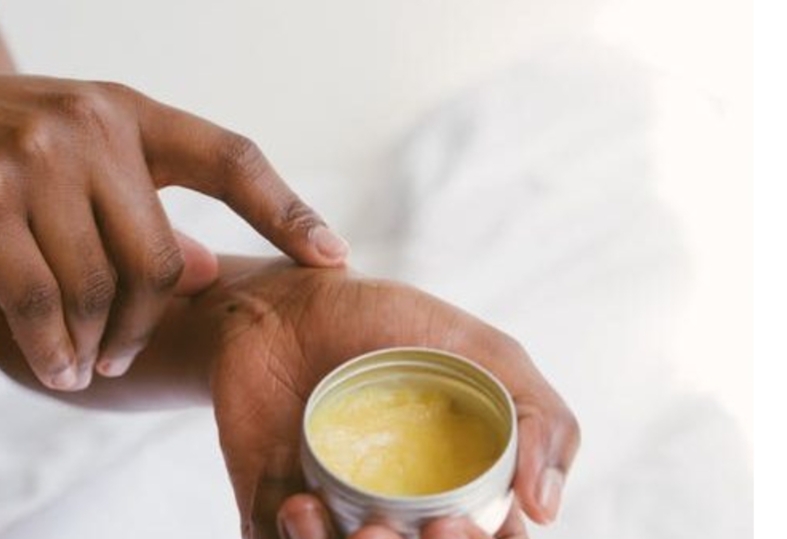
Unrefined shea butter, almost yellow or dirty white, is more expensive than its refined counterpart.
This is because of the amount of effort exerted in extracting the former. On the other hand, machines can be used to extract refined shea butter.
There are also additives you can find in the refined option, which reduces the amount of real shea butter in it.
So why still use unrefined, raw yellow shea butter for your face and hair if you can save money with a refined alternative? It’s because of the following reasons:
- Unrefined butter comes from gentle extraction using traditional methods. These methods seek to maintain its healthy fatty acids, vitamins, and other beneficial raw materials. On the other hand, refined shea butter undergoes chemical processing. The process includes removing its natural smell, coloring, and raw materials. Along with this is the removal of its healing effects. But some manufacturers still use refined butter because of its extended shelf life and the absence of its natural scent that some customers might not like.
- Yellow shea butter retains its healthcare properties. This makes it an effective product for people with problematic skin conditions. You often find this butter’s natural form in skin care products intended for use on dry skin, diaper rashes, other rashes, and stretch marks. It still has its natural essential vitamins that make it a useful product for the skin.
- Some refined shea butter contains harmful chemicals. This is attributed to how they are processed. If you are looking for a product to pamper your skin with, getting the less costly refined butter might be the worst decision you could ever make.
Other Factors that Affect the Price of Shea Butter
Several other factors help determine just how expensive shea butter will be. These include the following:
- Good quality shea butter usually comes from Africa. Reliable suppliers will have a Lab Analysis Certificate showing when the natural product is tested and given the ASBI grade.
- Infrastructure in the location where the shea butter comes from. Shea butter comes from Karite nuts. African Shea Karite trees don’t thrive near coastal areas, so they need to be shipped close to the ports. Unfortunately, the African infrastructure does not exactly support smooth transportation using heavy trucks. This difficulty in moving the raw materials for shea butter only adds to how expensive it becomes.
- Cost of shipping. Shipping the shea butter from Africa is costly as it is. Then, you need to add to that cost the shipping fee from the port to their final destination by air, rail, or truck. The farther that destination is, the more expensive the shea butter becomes.
- Unrefined yellow shea butter is not as heat resistant as refined butter. It is quite common for raw butter to melt during the summer months, which is why it needs to be transported in refrigerated trucks during the said season. But if you already have it at home and you accidentally left it somewhere warm, you can still apply it to your skin. You can help it turn a bit solid by putting it in the refrigerator or in a cold, air-conditioned room. Stir in the melted shea butter every now and then to mix equal parts of the solids and liquid.
- Unrefined shea butter may become more expensive depending on how much markup the importer puts on it. Just make sure to get your money’s worth by buying from reputable suppliers and manufacturers with high-quality shea butter.
What Makes Yellow Shea Butter Worth Buying
Unrefined shea butter needs more care and has a shorter shelf-life than refined ones.
However, it is still a good investment for your well-being, especially for your skin, because of the following benefits:
- Excellent daily moisturizer for the body and face
- Heals dry skin
- Soothe rashes and sunburn, thanks to its cinnamic acid
- Relieves dry scalp
- Minimizes wrinkles and blemishes
- Relieves itching
- Reduces the effects of razor burn while shaving
- Heals small wounds
- Softened calloused heels, feet, and cracking skin
- Treats minor burns
- Prevents scarring
- Protects skin from the harsh wind and sunlight
- Healing eczema, ranging from mild to moderate
- Reduces the presence of stretch marks during pregnancy
- Lessens the harsh effects of chemical products on the hair and scalp
- Makes hair shine
- Restores skin elasticity
- Do not block pores
- Helps treat acne
- Evens skin tone
- Repairs hair after suffering from dryness, weather damage, and brittleness
These benefits are good enough reasons to always stick to buying and using unrefined yellow shea butter.
They outweigh the need to store them properly to prevent them from melting all the time.
Given the long list of natural shea butter uses, you will probably use them up long before their shelf life ends. But don’t be surprised if you find more uses for them for your skin, too.
FAQs
FAQ: What makes yellow shea butter more expensive?
Yellow shea butter costs more because it is extracted manually using traditional methods, preserved in its natural state, and sourced directly from African shea tree regions where shipping and handling are expensive.
FAQ: Is yellow shea butter better than white refined shea butter?
Yes. Yellow shea butter contains more vitamins, fatty acids, and healing compounds because it is not processed with chemicals or heat like refined shea butter.
FAQ: How can I tell if yellow shea butter is real?
Real unrefined shea butter has a slightly smoky scent, soft texture, and natural color ranging from yellow to off-white. It also melts easily at body temperature.
FAQ: Does yellow shea butter expire faster?
Yes. Without preservatives, raw shea butter has a shorter shelf life and must be stored in a cool, dry place.
FAQ: Is yellow shea butter safe for sensitive skin?
Absolutely. Unrefined shea butter is often recommended for sensitive, dry, and inflamed skin because of its natural healing properties.
Conclusion
What is unrefined yellow shea butter good for? The answer to this question justifies why it is more expensive than its refined version.
It is more difficult to obtain and process, but it is all worth it if users like you enjoy its natural skin and hair care properties. The benefits outweigh their more costly price tag and maintenance.
These are the same benefits that make them an excellent investment for your hair and skin regardless of their price.
Ready to upgrade your skincare routine? Choose high-quality, unrefined yellow shea butter for healthier skin and hair.
Always buy from trusted suppliers to make sure you get the real benefits nature offers.
