
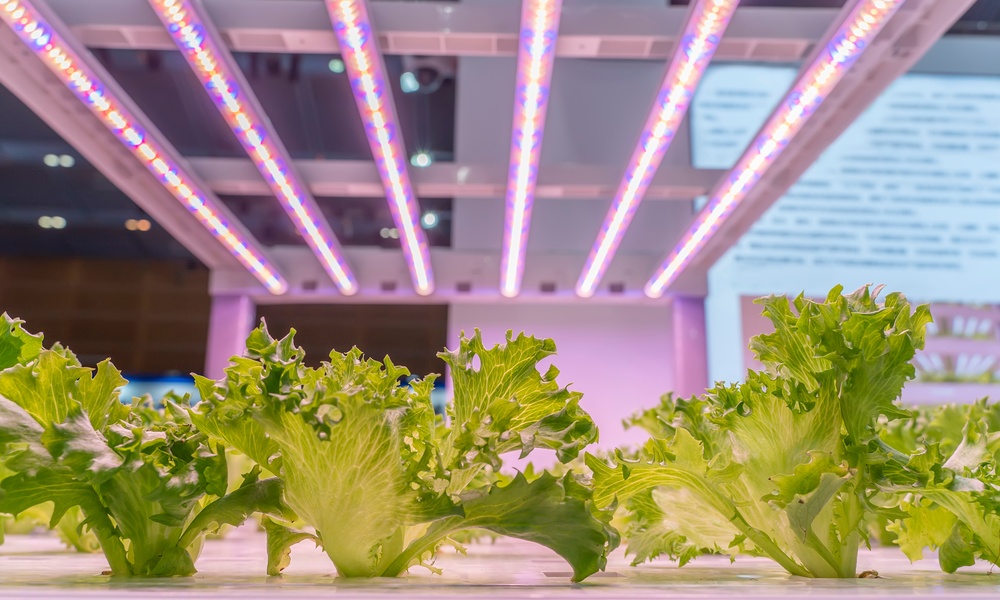
Indoor gardening gives growers control over the conditions that influence plant development. LED grow lights make it possible to cultivate healthy plants with limited sunlight. However, powerful lighting alone cannot guarantee successful growth. Plants also need predictable periods of illumination and darkness to complete biological processes. Understanding why you need a schedule when using LED grow lights helps you create an environment that supports consistent development without wasting electricity. A thoughtful lighting routine can improve plant health while making your indoor garden easier to manage throughout changing growth stages.
Support Natural Plant Rhythms
Plants respond to daily changes in light through internal biological rhythms. These rhythms influence how they grow and regulate essential processes. Outdoors, sunrise and sunset provide predictable signals that help plants coordinate their activities. Indoor growers must recreate that consistency with artificial lighting.
When you switch grow lights on and off at unpredictable times, plants may struggle to maintain their usual patterns. A reliable schedule establishes clear periods for receiving light and resting in darkness. This consistency helps plants respond more naturally to their growing environment. Rather than constantly adjusting lighting hours, choose a routine that matches the plants you cultivate and maintain it each day.
Give Plants Adequate Darkness
Many beginners assume that leaving LED grow lights running continuously will encourage faster development. Although plants need light for photosynthesis, uninterrupted illumination does not automatically produce better results. Dark periods allow plants to carry out processes that support normal growth and development.
Different species tolerate different lighting patterns, so research their requirements before selecting a schedule. Some plants benefit from longer illuminated periods, while others require substantial uninterrupted darkness. Providing the appropriate balance helps prevent unnecessary stress. It also encourages growers to recognize darkness as an important part of plant care rather than wasted growing time.
Improve Photosynthesis Without Overexposure
Photosynthesis allows plants to convert light energy into the resources they need for growth. LED grow lights provide useful illumination, but plants can only make effective use of light within certain limits. Increasing exposure indefinitely does not necessarily increase growth at the same rate.
A consistent schedule helps you deliver an appropriate daily amount of light. Consider the intensity of your fixtures alongside the number of hours they operate. Stronger lighting may require shorter exposure than weaker lighting, depending on the crop and its growth stage. Monitor leaf appearance and overall development to determine whether your routine supports healthy progress. Adjust lighting gradually when plants show signs of stress.
Encourage Healthy Vegetative Growth
During vegetative growth, plants focus on producing leaves and developing stronger structures. Many indoor crops benefit from relatively long daylight periods during this stage. A predictable lighting schedule helps maintain the conditions that encourage steady growth.
Seedlings may need gentler illumination than established plants, even when both receive similar daylight hours. As plants mature, you can adjust fixture intensity or positioning to meet their changing needs. Keep the daily timing consistent whenever possible. This approach makes it easier to identify whether changes in plant development result from lighting conditions or another environmental factor.
Manage Flowering and Seasonal Responses
Certain plants use the length of uninterrupted darkness to determine when flowering should begin. Photoperiod sensitive varieties can respond strongly to changes in their daily lighting cycle. An inconsistent schedule may delay flowering or disrupt the signals that encourage reproductive development.
Other varieties flower according to maturity rather than day length, so they do not require the same timing adjustments. Understanding your particular crop prevents unnecessary changes. When growing photoperiod sensitive plants, protect their dark periods from accidental light exposure. Even a dependable fixture cannot replace the importance of a stable cycle that suits the species.
Reduce Energy Waste and Operating Costs
LED technology generally uses electricity efficiently compared with many traditional grow lighting options. Nevertheless, running fixtures longer than necessary increases energy consumption. An organized schedule gives you better control over operating hours and helps avoid unnecessary expenses.
Calculate lighting needs based on plant requirements rather than assuming additional hours always deliver greater benefits. Use a timer to keep fixtures operating only during your chosen periods. This planning supports efficient operation without sacrificing the consistency plants need for healthy development.
Make Indoor Garden Maintenance Easier
A dependable lighting routine simplifies everyday gardening tasks. When fixtures operate at predictable times, you can plan watering and inspections around periods when plants are easy to observe.
Automatic timers are particularly helpful when your work schedule changes or you travel away from home. They reduce the likelihood of accidentally leaving lights on overnight or forgetting to activate them. Automation also helps maintain stable conditions without constant attention. Check timer settings occasionally, especially after power interruptions, to confirm that your intended routine remains intact.
Prevent Common Lighting Mistakes
Learning the mistakes to avoid when using LED grow lights can help you build a more effective schedule. One common problem involves changing lighting hours too frequently because plants appear to grow slowly. These adjustments can introduce instability without addressing the underlying issue.
Another mistake involves focusing exclusively on timing while ignoring fixture distance or brightness. A well-planned schedule cannot compensate for lighting that is excessively intense or too weak. Evaluate the complete growing environment before making major changes. Keep simple notes about your lighting hours and plant responses so you can recognize useful patterns over time.
Adjust Your Schedule as Plants Develop
Lighting needs can change as plants progress from germination toward maturity. A schedule that supports young seedlings may not provide the best conditions for established crops. Periodically review your plants’ requirements instead of following one routine indefinitely.
Make adjustments based on species and growth stage, rather than dates. Gradual changes can help you evaluate how plants respond without introducing several new variables simultaneously. Remember that temperature and watering practices also influence growth. Keeping these conditions reasonably stable makes it easier to assess the effects of your lighting decisions.
Build a Reliable Lighting Routine
Understanding why you need a schedule when using LED grow lights allows you to approach indoor gardening with greater confidence. Consistent lighting supports natural plant rhythms while helping you manage energy use responsibly. Start with the needs of your chosen species and establish dependable daily operating hours. Observe how your plants respond, then refine the routine when their development requires different conditions. With thoughtful scheduling, LED grow lights become an effective tool for maintaining a productive indoor growing environment.
