
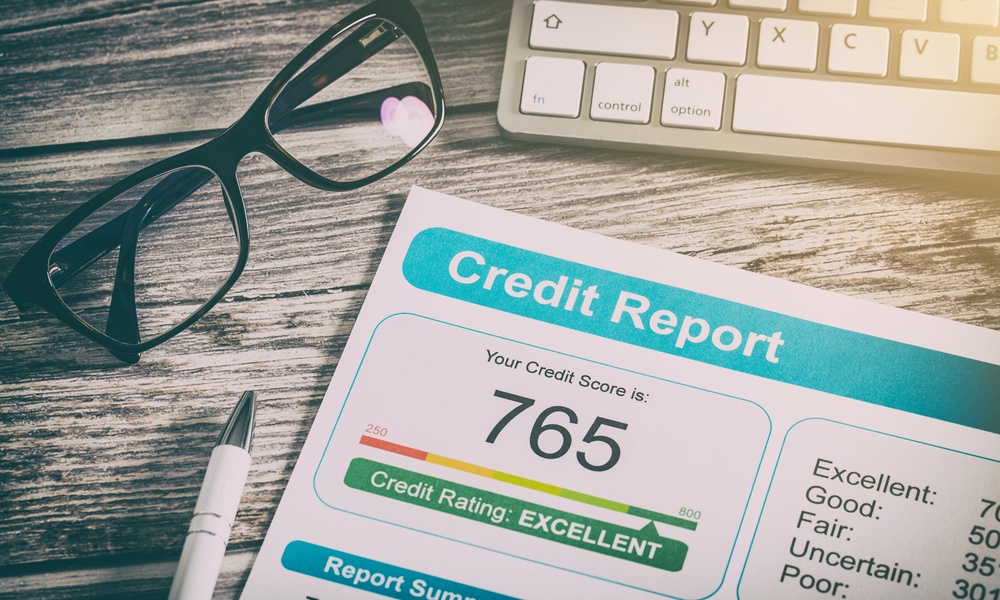
Your credit score affects more parts of your financial life than many people realize. It influences your ability to qualify for loans, secure better interest rates, rent a home, and even save money over time. While many people only check their score when they need financing, regular monitoring helps you stay informed and avoid costly surprises. A healthy credit score reflects responsible financial habits and gives you greater flexibility when opportunities arise. By paying attention to your score throughout the year, you can make smarter decisions and strengthen your overall financial position.
What Your Credit Score Really Means
Your credit score gives lenders a quick snapshot of how you manage borrowed money. It combines information from your credit history into a number that helps financial institutions evaluate risk. A higher score often shows that you pay bills on time, manage debt responsibly, and use credit wisely.
Most scoring models consider several important factors, including payment history, credit utilization, account age, credit mix, and recent credit inquiries. Every financial decision you make can influence one or more of these areas. Small improvements in your habits can gradually raise your score, while careless mistakes can lower it much faster.
Understanding what affects your score allows you to make informed choices instead of guessing how your financial behavior impacts your future.
Regular Monitoring Helps You Catch Problems Early
Many people assume their credit report stays accurate, but errors happen more often than expected. Incorrect account balances, duplicate debts, or fraudulent accounts can damage your score without your knowledge. Regular monitoring helps you identify these issues before they create larger financial problems.
Checking your credit score frequently also allows you to notice unusual activity that could signal identity theft. If someone opens an account in your name or makes unauthorized purchases, quick action limits the damage and protects your financial reputation.
You don’t need to obsess over daily changes, but reviewing your credit report and score every few months keeps you informed and prepared.
Better Credit Can Save You Thousands
Many borrowers focus only on getting approved for a loan, but the interest rate often matters even more. Lenders usually reward applicants with stronger credit scores by offering lower rates. Even a small difference in interest can lead to significant savings over the life of a mortgage, auto loan, or personal loan.
Higher credit scores may also help you qualify for:
- Lower mortgage interest rates
- Better auto loan terms
- Credit cards with valuable rewards
- Higher credit limits
- Lower insurance premiums in some states
These financial advantages add up over time and leave more money in your budget for savings, investments, or other important goals.
Your Credit Score Influences Major Life Decisions
A strong credit score creates opportunities that extend beyond borrowing money. Landlords often review credit reports before approving rental applications. Utility companies sometimes use credit information when setting deposits. Some employers also review credit history for positions involving financial responsibilities.
If you plan to make a major purchase, your score becomes even more important. For example, people interested in buying land with good credit often qualify for more favorable financing options and lower borrowing costs. That stronger financial position can make a significant difference when purchasing property or investing in future development.
Preparing your credit well before these milestones gives you more options and greater negotiating power.
Good Financial Habits Build Strong Credit
Improving your credit score doesn’t require complicated strategies. Consistent financial habits produce the biggest results over time. Many people see steady improvement simply by focusing on responsible money management every month.
Start by paying every bill before the due date. Payment history carries substantial weight in most credit scoring models, so consistent on-time payments strengthen your credit profile.
Next, keep your credit card balances low. High utilization can lower your score even if you always pay on time. Many financial experts recommend using less than 30 percent of your available credit, while even lower utilization often produces stronger results.
Avoid opening multiple new accounts within a short period unless you truly need them. Several hard inquiries and new accounts may temporarily reduce your score and make lenders view you as a higher-risk borrower.
Credit Monitoring Encourages Better Financial Decisions
When you actively track your credit score, you become more aware of how everyday choices affect your financial health. That awareness often encourages smarter spending, more disciplined repayment, and better long-term planning.
Watching your score improve can also provide motivation. As you see positive changes from paying down balances or making timely payments, you gain confidence in your financial progress. That positive feedback makes it easier to maintain healthy habits.
Instead of treating your credit score as an occasional concern, consider it an ongoing measure of your financial well-being.
Common Mistakes That Hurt Your Score
Many credit problems develop from simple mistakes rather than major financial crises. Recognizing these issues helps you avoid unnecessary setbacks.
Missing payment deadlines remains one of the most damaging errors. Even a single late payment can lower your score and remain on your credit report for years.
Maxing out credit cards also creates problems. High balances increase your credit utilization ratio and may suggest financial stress to lenders.
Closing old credit accounts without careful consideration can shorten your average account age and reduce your available credit, which may negatively affect your score.
Finally, applying for several loans or credit cards at once generates multiple hard inquiries that may temporarily reduce your score.
Avoiding these common mistakes protects the progress you’ve worked hard to achieve.
Make Credit Monitoring Part of Your Routine
Building strong credit requires patience, but maintaining it becomes much easier once you establish consistent habits. Schedule regular reminders to review your credit reports, monitor your score, and verify that your financial information remains accurate.
Many banks and credit card companies now offer free credit score monitoring, making it easier than ever to stay informed. You can also access annual credit reports from the major credit bureaus to review detailed account information and dispute inaccuracies if necessary.
Think of credit monitoring as preventive maintenance for your finances. Just as routine health checkups help detect medical issues early, regular credit reviews help you identify financial concerns before they grow into expensive problems.
Preparing for Your Future
Keeping a close eye on your credit score gives you greater control over your financial future. Regular monitoring helps you catch errors, prevent fraud, qualify for better financing, and build stronger money management habits. Your credit score reflects the financial decisions you make every day, so consistent attention pays off in meaningful ways. Whether you plan to buy a home, finance a vehicle, invest in property, or simply improve your financial stability, a healthy credit score opens more doors and reduces unnecessary costs. By making credit monitoring part of your routine, you place yourself in a stronger position to reach both your short-term and long-term financial goals.
